Movable Toilet
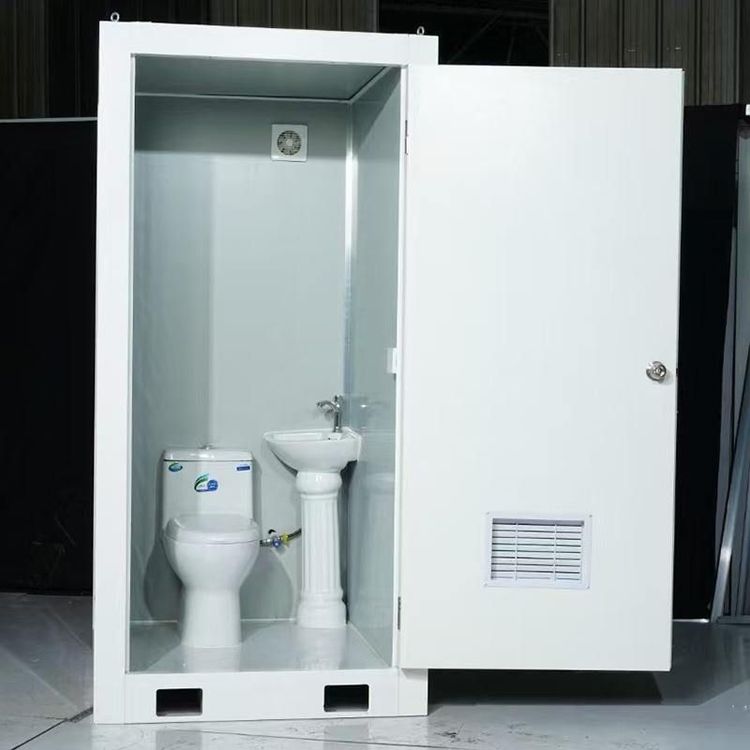
A movable toilet, also known as a portable toilet, is a facility that can be moved as a whole to provide toilet services to the public.

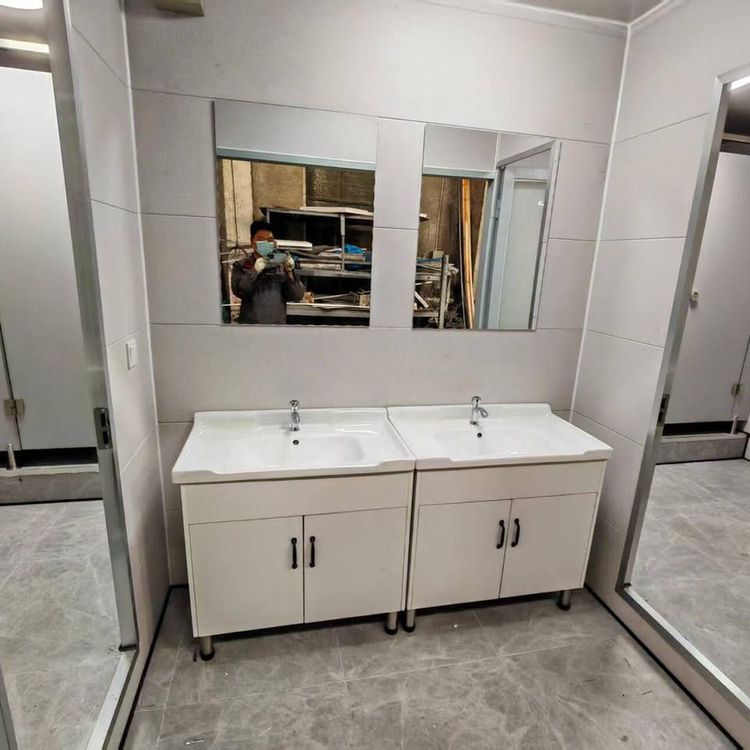
I. Applicable Places Portable toilets are suitable for stations, docks, tourist attractions, villa areas, newly built residential communities, large construction sites, squares, densely populated public places, and bustling commercial streets. Their flexible deployment makes them an ideal choice for both temporary and fixed-demand scenarios. For example, in 2023, the Lanzhou Yellow River Scenic Area alleviated toilet pressure for tourists by installing portable toilets, demonstrating their practicality in tourist settings.
II. Structural Composition Portable toilets typically consist of modules such as fecal sewage storage tanks (or disposal units), floor slabs, sanitary ware, walls, washing equipment, water tanks, roofs, and mobile devices. Some high-end models undergo standardized factory processing, such as integrated hoisting portable toilets, which achieve “ready-to-use” status through one-piece assembly. They are equipped with stainless steel floors, vacuum flushing systems (with a single flush volume of approximately 1 liter), and offer both squat and sit toilet options, balancing hygiene and user experience.
III. Classification Methods
- By structural form: Divided into single-unit structures (independent units) and composite structures (multi-module combinations).
- By mobility method: Includes hoisting and handling types (requiring lifting equipment) and powered towing types (tractor-movable).
- By sewage treatment method:
- Water flush and waterless flush suction types: Rely on fecal storage tanks or external pumping.
- Recirculating water flush types: Reuse water resources through filtration systems.
- Dry packing types: Use biodegradable bags to collect feces, requiring no water.
IV. Materials and Characteristics Early portable toilets were primarily made of wood, presenting issues such as odor absorption and limited functionality. Modern products widely use lightweight, corrosion-resistant materials like fiberglass-reinforced plastic and polyethylene, significantly improving durability and sealing. Their core advantages include:
- Mobility: Rapid deployment to target locations using trucks, cranes, and other tools.
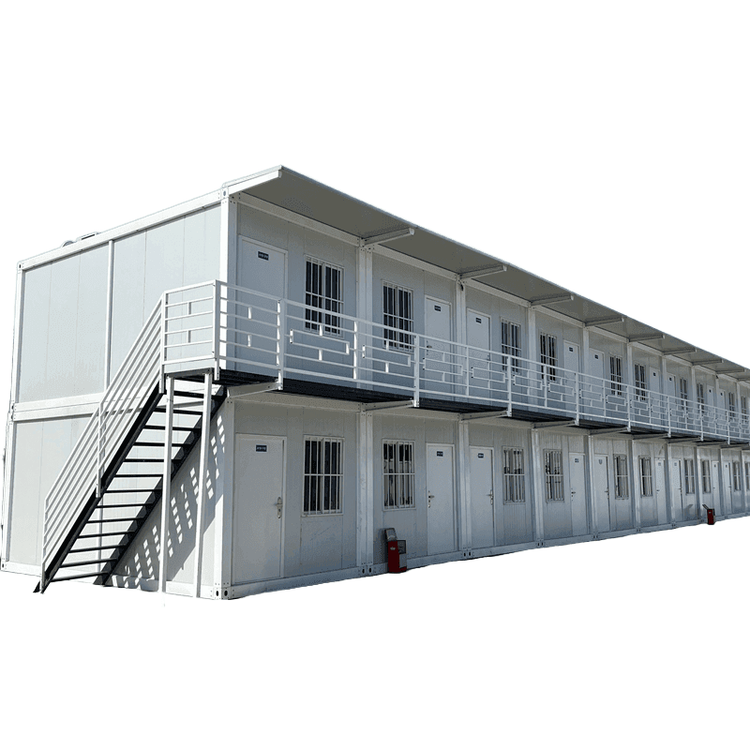
- Combinability: Support for multi-unit splicing to expand capacity.
- Reusability: The same facility can be recycled across different scenarios, reducing long-term costs.
V. Special Types For the elderly or home settings, the market offers movable toilets with seat-style flip covers, equipped with odor-proof structures and supporting the use of garbage bags. These can be flexibly placed in living rooms, bedrooms, and other spaces, balancing convenience and hygiene maintenance needs.