
Movable Single Toilet
Single toilets can be designed as movable units, commonly found in scenic spots, campsites, parks, and other locations, offering flexible deployment and comprehensive functionality.
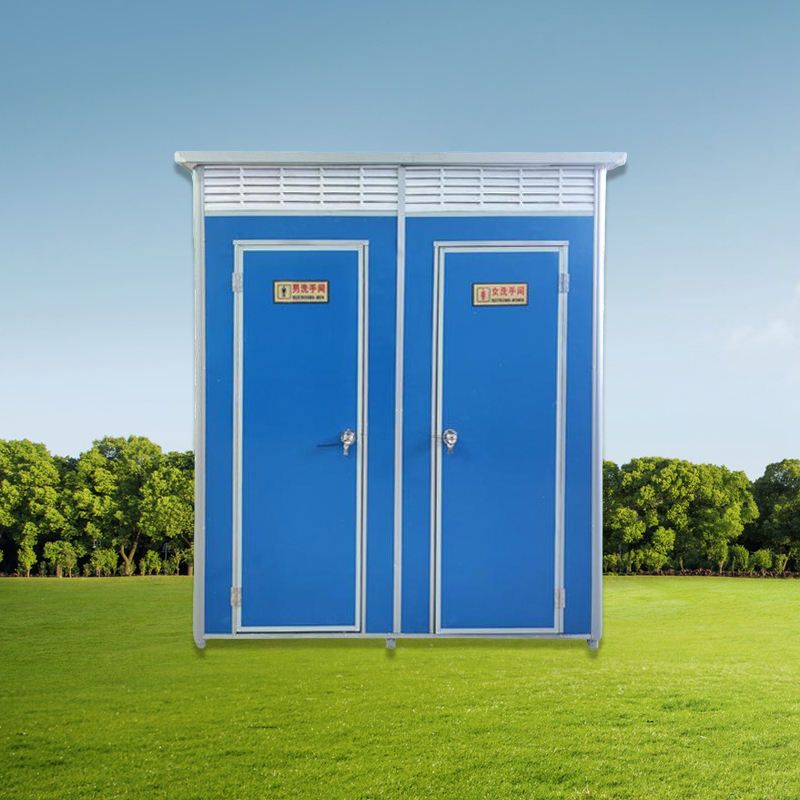
I. Composition and Structure of Movable Single Toilets
Movable single toilets typically consist of core components such as fecal wastewater storage tanks (or treatment devices), walls, roofs, and mobility units. The storage tanks are used to collect waste, with some high-end models equipped with biodegradation or chemical treatment devices to reduce odors and lower cleaning frequency. The walls and roofs are made of lightweight materials (such as metal carved panels and color-coated steel sheets), balancing strength and weather resistance. The mobility units enable overall transportation through wheeled chassis or detachable brackets, adapting to various terrain requirements.
II. Core Advantages and Suitable Scenarios
Flexibility and Combinability
Movable single toilets can be quickly assembled and disassembled through modular design. A single toilet can be used independently or combined into multi-stall restrooms through splicing, meeting the needs of temporary large-scale events or peak-hour crowds. For example, in scenarios like music festivals and sports events, the number of toilet stalls can be dynamically adjusted based on audience size.Transport Convenience
The overall structure is designed to be lightweight, allowing for quick loading onto transport vehicles with forklifts or lifting equipment, suitable for remote areas or locations without fixed infrastructure. For instance, in mountainous scenic spots or desert campsites, movable toilets can be relocated according to seasons or tourist routes.Customizable Functions
Some customized models use thickened galvanized square steel welded frames to enhance structural stability, suitable for high-frequency use scenarios. The exterior walls are made of metal carved panels, offering thermal insulation, corrosion resistance, and the ability to withstand extreme climates (such as severe cold or humid environments). Additionally, colors and signage can be customized according to the theme of the location, enhancing visual harmony.
III. Technological Upgrades and Environmental Features
Modern movable single toilets are gradually incorporating environmental technologies, such as:
- Water-saving flushing systems: Reducing water consumption through recycled water or micro-flushing techniques;
- Solar power supply: Integrating photovoltaic panels to power lighting and ventilation systems, lowering operational costs;
- Smart monitoring: Some models are equipped with sensors to monitor storage tank capacity in real-time and remind for cleaning, preventing overflow risks.
Summary: Movable single toilets achieve a balance between functionality and flexibility through modular design, lightweight materials, and environmental technologies, making them the preferred solution for temporary public facilities, especially in outdoor scenarios with high foot traffic but limited infrastructure.



