
Back to blog
Article
Movable Container House
Admin September 15, 2026
Container houses are movable. The following is a detailed introduction from aspects such as their types, mobility characteristics, and related advantages:
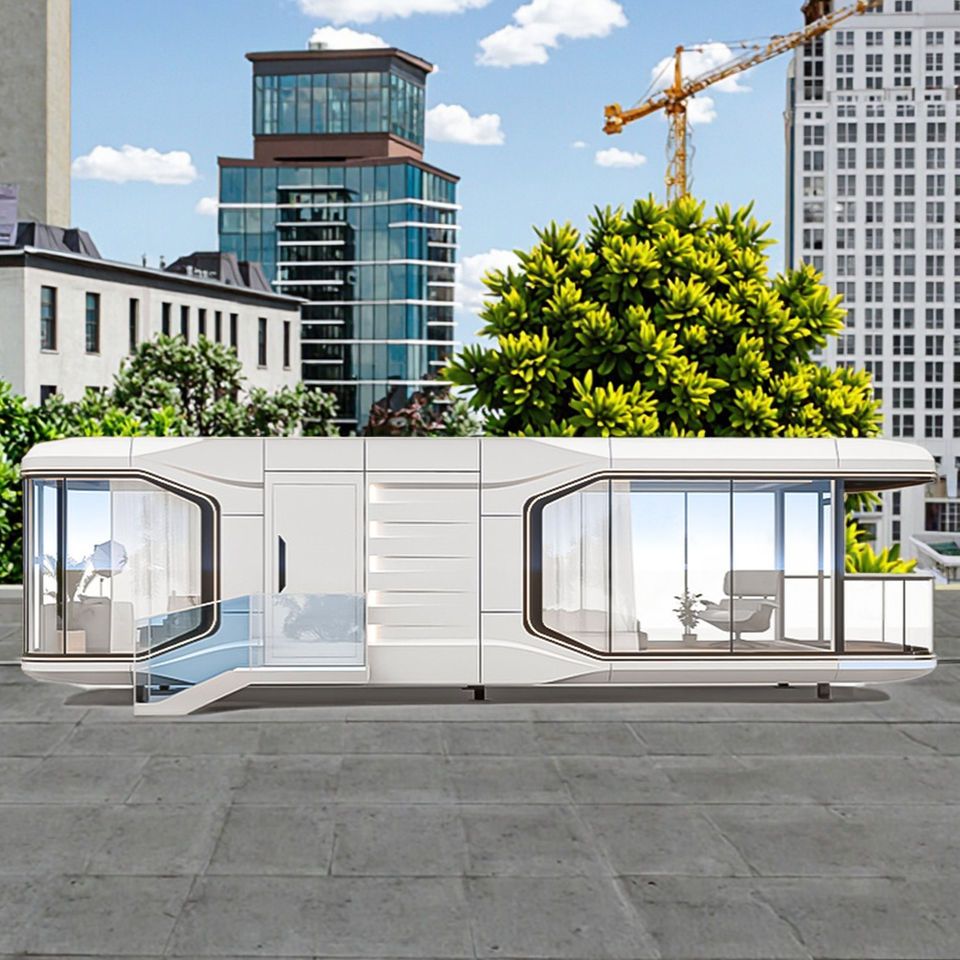
Diverse Types with High Mobility
- Container-type office houses: These are transformed from standard containers, with common sizes of 20 feet and 40 feet. They can be used as a single unit or combined by multiple units. Essentially, they are containers, possessing the characteristics of easy transportation and mobility. They are suitable for scenarios where the office location needs to be flexibly changed, such as project departments and construction site command centers.
- Foldable office houses: These adopt a foldable structural design. During transportation, their volume is compressed, and they can be quickly unfolded upon arrival at the site. The unfolding time for a single unit can be controlled within 30 minutes. This design makes them more convenient during transportation and movement, suitable for office needs that require frequent relocation, such as exploration teams and temporary command posts.
- Assembled office houses: These are composed of light steel keels and color steel plates and are assembled on-site in a modular manner. Although they are assembled from multiple modules on-site, these modules themselves are easy to transport and disassemble. They can be moved and reassembled according to needs and are commonly seen in temporary offices in industrial parks and event planning sites.
- Expandable office houses: These add side or end expansion cabins on the basis of containers. After expansion, the usable area can be increased by 30%-50%. They retain the basic structure and mobility characteristics of containers while increasing the usable space through expansion cabins, suitable for long-term on-site offices with high requirements for space comfort.
Significant Mobility Advantages
- Convenient transportation: Whether they are container-type, foldable, or other types of container houses, they can be transported using trucks, ships, and other means of transportation, facilitating movement and deployment between different locations. For example, in some engineering projects, as the project progresses, container houses can be quickly moved to new construction sites to provide office and living spaces for workers.
- Rapid deployment: Many container houses are designed with the need for quick installation and disassembly in mind, enabling them to be deployed within a short time. For example, the unfolding time for a single foldable office house can be controlled within 30 minutes, greatly saving time and labor costs and improving usage efficiency.



