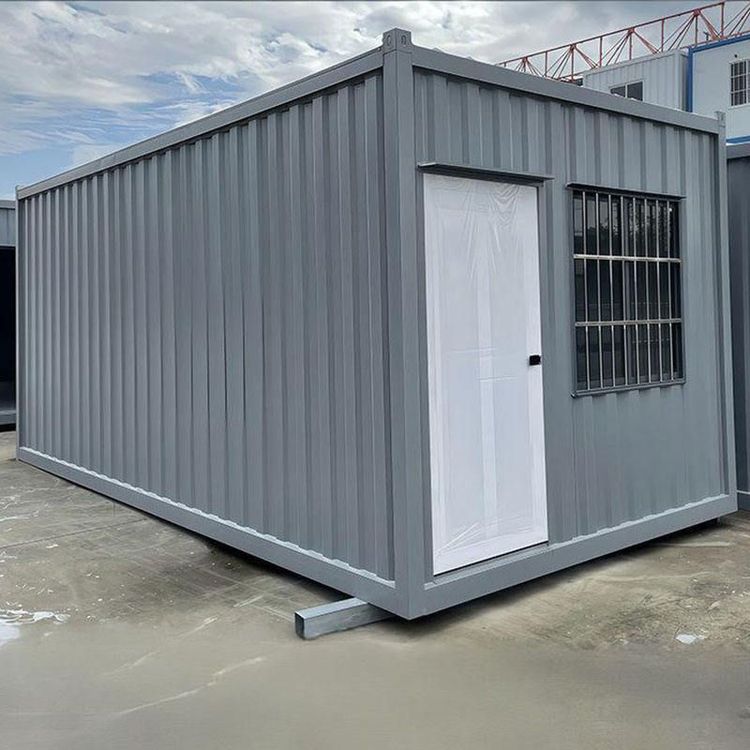
Monolithic Mobile Toilet Waterproof and Antislip
Monolithic mobile toilets typically feature waterproof and antislip properties, achieved through material selection, structural optimization, and functional configuration to provide multiple protective effects.
Realization of Waterproof Performance
The waterproof capability of monolithic mobile toilets primarily stems from the main materials and sealing design. The main structure often employs high-strength fiberglass-reinforced plastic (FRP) or stainless steel, both of which exhibit excellent waterproof and moisture-resistant properties. FRP is formed by compounding resin with glass fibers, resulting in a smooth, corrosion-resistant surface that effectively blocks water penetration. Stainless steel, on the other hand, achieves waterproofing through its dense metallic structure and also offers rust resistance, making it suitable for humid environments. Additionally, the design of the sewage outlet is a critical aspect of waterproofing. Some models utilize a U-shaped water seal structure to create a liquid barrier, preventing sewage backflow or odor leakage. If a collection bucket is used, the sealed connection between the bucket and the toilet body prevents leakage, ensuring overall waterproofing.
Optimization of Antislip Function
Antislip design focuses on the internal flooring and user safety within mobile toilets. Flooring materials are typically selected as antislip floors or antislip tiles. The former, often made of PVC or rubber, feature a textured or granular surface to increase friction. The latter are crafted through firing processes to create an antislip glaze, maintaining grip even when wet. Some high-end models also incorporate drainage channels along the floor edges to quickly divert accumulated water, reducing slip risks. Furthermore, structural stability is crucial for antislip performance. Mobile toilets are equipped with casters at the bottom, some of which include brake mechanisms to secure the position during use, preventing floor slippage or center-of-gravity shifts due to movement.
Additional Features and Adaptability
Beyond basic waterproofing and antislip properties, monolithic mobile toilets enhance environmental adaptability through detailed design. For example, chemical deodorizers and ventilation systems reduce odor diffusion, preventing users from rushing due to unpleasant smells and indirectly lowering slip risks. Modular structures allow for rapid assembly and disassembly, facilitating relocation or maintenance in rainy or humid regions and extending service life. These features collectively form a comprehensive protective system for mobile toilets, enabling them to meet usage demands in complex outdoor or temporary settings.