
Monolithic Mobile Squat Toilet
A monolithic mobile squat toilet is a mobile toilet in the form of an independent compartment, suitable for temporary or mobile locations with dispersed pedestrian traffic. It features an independent structure, flexible functionality, and durable materials.
1. Structural Form and Functional Configuration
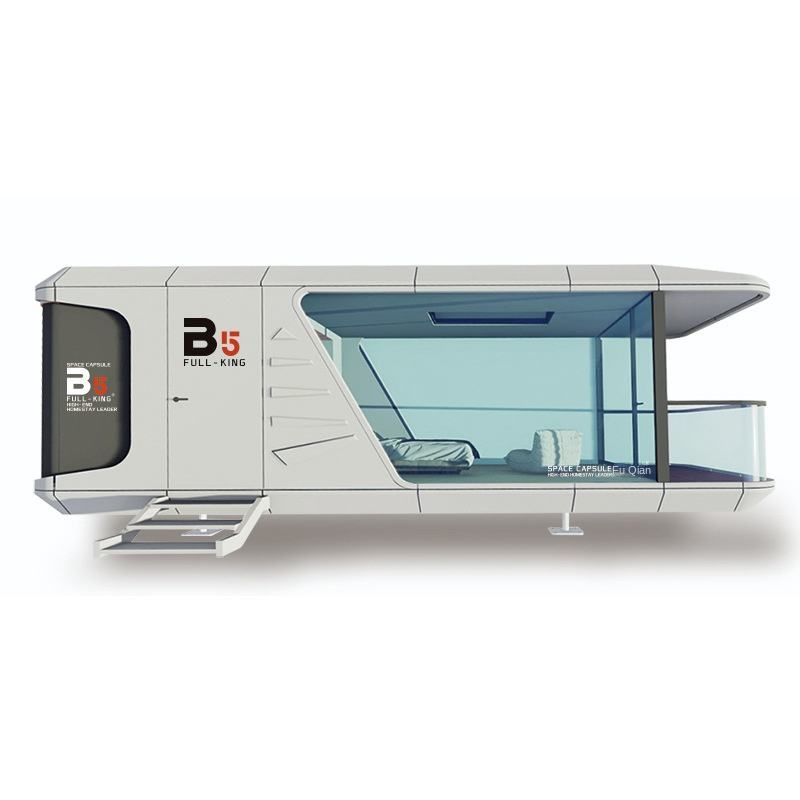
The monolithic mobile squat toilet adopts an independent compartment design and belongs to the category of monolithic structure mobile toilets, typically laid out in individual compartments. Its core function is centered around squat positions, with some products equipped with basic facilities such as water and electricity fixtures according to demand. For example, the economical and practical model produced by Taihe Mobile Toilet Manufacturer is designed with eight squat positions to meet the simultaneous needs of multiple users; the four-squat-position mobile toilet from Dezhou Hongtu Metal Products Co., Ltd. features an Apple Pod design, balancing practicality and aesthetics. This design allows it to be used independently or expanded into multi-squat-position toilets through combination, adapting to the capacity requirements of different scenarios.
2. Material and Structural Characteristics
The main frame is mostly made of steel structure, ensuring overall stability and wind resistance. The exterior wall materials can be selected from galvanized steel plates, stainless steel plates, aluminum plates, or metal carved panels, offering both corrosion resistance and decorative properties; the interior is filled with rock wool or polyurethane insulation materials, effectively insulating against heat and cold to adapt to outdoor temperature variations. The floor is laid with anti-slip flooring and paired with a waterproof layer, ensuring both safety during use and ease of cleaning and maintenance. Additionally, some high-end models are equipped with ventilation systems or lighting fixtures to enhance user comfort.
3. Application Scenarios and Flexibility
This type of toilet is widely used in temporary locations such as outdoor events (e.g., music festivals, sports events), construction sites, and tourist attractions, particularly suitable for areas with dispersed pedestrian traffic or inadequate infrastructure. Its dimensions typically follow standard specifications (ranging from 1.2 meters to 3.0 meters in length), but can be customized according to actual site requirements, including adjustments to compartment size, door and window positions, and internal circuit configurations. For example, the compartment size can be reduced in narrow spaces, and circuit interfaces can be added in scenarios requiring electrical support, flexibly meeting diverse needs.
4. Advantages and Limitations
The advantages lie in its easy installation, strong mobility, rapid deployment in areas without fixed toilets, and lower cost compared to traditional brick-and-mortar toilets. The limitations are its limited capacity, requiring regular cleaning and maintenance, and the need for additional reinforcement or suspension of use in extreme weather conditions (e.g., strong winds, heavy rain). Overall, its design balances functionality and economy, making it a preferred option for temporary sanitation facilities.



