
Modular Prefabricated Housing
Modular prefabricated housing is a building form where the main structure and enclosure components are prefabricated in factories and then assembled on-site. It offers advantages such as short construction periods, environmental friendliness, and earthquake resistance, representing a significant trend in the industrialization and intelligent development of construction.
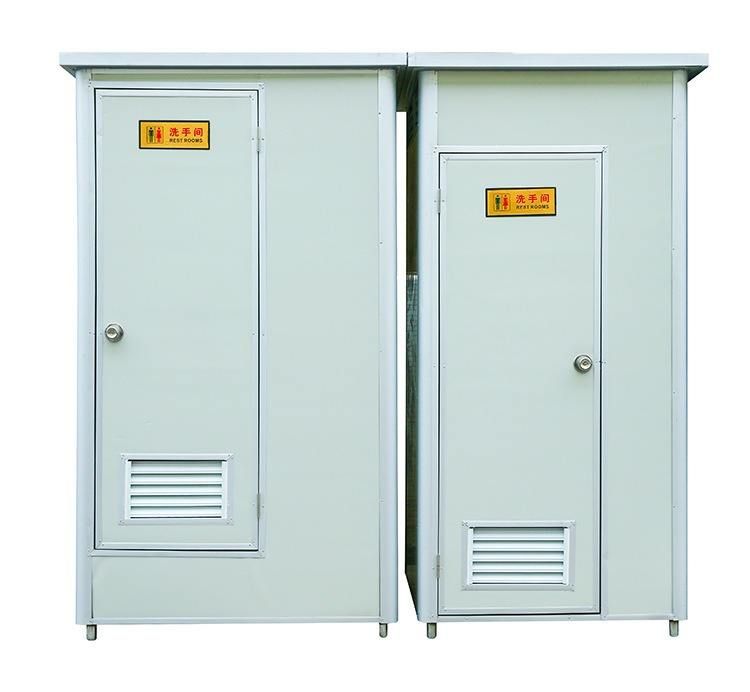
I. Core Features and Construction Methods Modular housing completes the main structure, enclosure, equipment pipelines, and interior decoration through standardized factory production, forming prefabricated assembly space modules that are then transported to the site for assembly and connection. Its core features include standardized design, factory-based production, and assembly-based construction. For example, the popular prefabricated modular wooden houses in North America have their wooden structural components precisely processed in factories and then assembled on-site. The China Construction Hailong Intelligent Construction Industrial Park in Shenzhen, Guangdong, achieves integrated production of ceilings, walls, and bathroom waterproof layers in factories, delivering 20,000 to 30,000 modules annually.
II. Significant Advantages
- Substantially Shortened Construction Periods: Modular construction can significantly compress construction timelines. For instance, a rural house can be built in 14 days, with the total construction period reduced by about 50% compared to traditional methods. A real estate project in Shanghai saw its construction period shortened by over 60%. The Beijing Haidian District Dinghui Temple North Plot Affordable Rental Housing Project, which utilizes concrete modular technology, demonstrates high efficiency.
- Outstanding Environmental Performance: Modular construction reduces construction waste by about 80% and generates low noise and dust during construction, meeting green building standards.
- Earthquake Resistance and Quality Control: Factory production ensures component precision, while on-site assembly and connection technologies enhance structural stability, offering superior earthquake resistance compared to traditional buildings. Standardized processes also make building quality easier to control.
- Maintenance Convenience: Modular design facilitates later maintenance and upgrades, such as independent replacement of equipment pipelines, reducing long-term maintenance costs.
III. Application Status and Development Trends Multiple regions in China have introduced policies to promote the application of modular construction, such as Guangzhou and Shenzhen. In May 2026, Beijing's first concrete modular affordable housing project was implemented in Haidian District, marking a breakthrough in this technology within Beijing's affordable housing sector. Market research institutions predict that the global modular construction market will exceed $142.8 billion by 2030, reflecting its broad prospects as a direction for transformation in the construction industry.



