
Modular Prefabricated Housing
Modular prefabricated housing is an efficient, high-quality, and environmentally friendly construction method that utilizes modern industrial production techniques to prefabricate housing modules in factories and then quickly assemble them on-site into complete buildings.
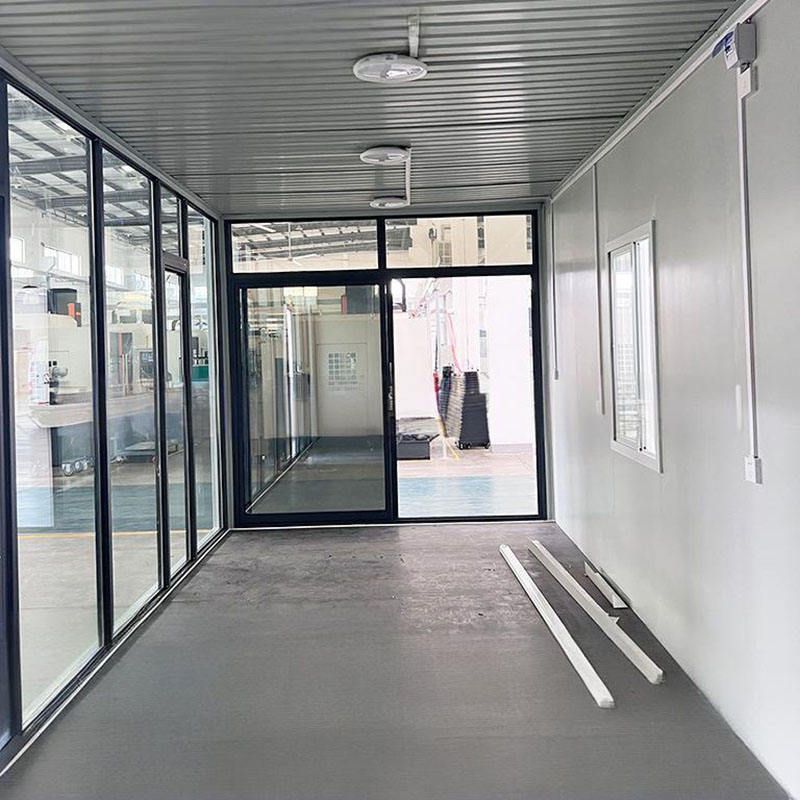
I. Construction Method
Modular prefabricated housing breaks down buildings into independent modules, with ceilings, floors, plumbing, and electrical systems all prefabricated on factory assembly lines. After being transported to the site, they are assembled in a manner similar to building with blocks to form a complete structure. Unlike traditional on-site sequential construction (first erecting scaffolding, then laying bricks, plastering, and decorating), factories adopt a parallel operation model, integrating automated vertical warehouses and intelligent production lines to significantly enhance efficiency.
II. Core Advantages
- Short Construction Period: The construction cycle is reduced by over 60% compared to traditional buildings. For example, in a public housing project in Shenzhen, Guangdong, five residential towers nearly 100 meters high were assembled from 6,028 concrete modules, with the completion and delivery time compressed from 2.5-3 years to just 1 year, and on-site labor reduced by about 50%.
- Quality Control: Standardized factory production ensures component precision, reduces human error, and enhances the stability of building quality.
- Energy Efficiency and Environmental Protection: It significantly reduces noise, dust, construction waste, and traffic congestion at construction sites, aligning with green building principles.
- Easy Maintenance: Modular design facilitates later maintenance, renovation, or upgrades, extending the building's service life.
III. Industrial Requirements and Market Prospects
The modular prefabricated housing model places high demands on industrial foundations, requiring comprehensive support from technical systems (such as module design and connection technologies), production systems (automated production lines and supply chain management), and industrial clusters (upstream and downstream collaboration). According to market research firm predictions, the global modular construction market is expected to exceed $142.8 billion by 2030, reflecting its potential as a significant future direction in the construction sector.
IV. Typical Case
The Shenzhen public housing project demonstrated the applicability of modular technology in constructing high-rise residential buildings, validating the model's suitability for complex structures. Its success indicates that modular prefabricated housing is not only suitable for low-rise buildings but can also be applied to high-rise and super high-rise buildings through technological innovation.



