
Modified Container House Design
The design of modified container houses requires comprehensive consideration of multiple factors, including structural safety, functional suitability, space utilization, and compliance.
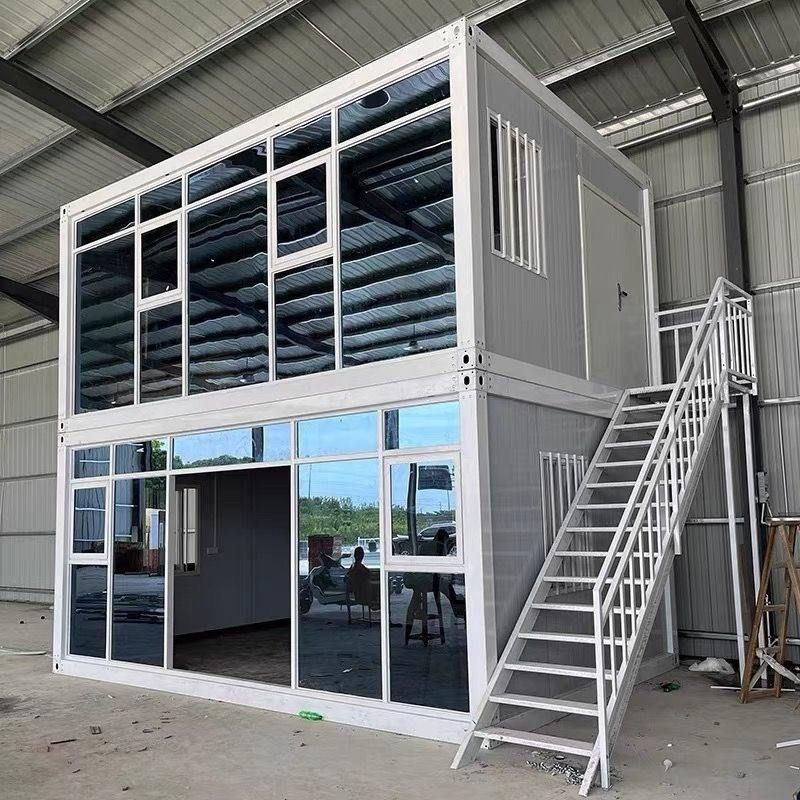
Structural design is fundamental: It should be reasonably designed in accordance with the 'Building Structural Design Code' to ensure the stability of the house. For example, in earthquake-prone areas, a more robust frame structure should be adopted; in areas with strong winds, wind-resistant design should be strengthened. For double-wing expandable container houses, their expandable structures should effectively increase the available space to meet scenarios with significant changes in space requirements, such as temporary exhibitions and emergency rescues.
Material selection is crucial for durability and environmental protection: High-quality steel and insulation materials should be selected to ensure the service life of the house and living comfort. The steel should meet relevant strength standards, and the insulation materials should have good thermal insulation properties to reduce energy consumption. For example, adopting a broken-bridge lining structure and filling hard polyurethane foam between the steel frame and the interior wall panels can effectively reduce heat conduction and improve insulation effects.
Space layout should be flexible and efficient: The interior space of container houses is limited, so open layouts and flexible functional divisions are needed to improve space utilization. For example, setting up independent workstations, conference tables, and storage spaces can meet office needs; or adopting integrated bathroom and wooden floor decoration solutions can enhance living quality.
Compliance and safety cannot be ignored: Before modification, it is necessary to understand local building regulations to ensure that the design meets safety requirements such as fire protection and earthquake resistance. For example, when converting from warehousing to logistics, the fire hazard category needs to be re-evaluated. Fire protection modifications account for 25%-35% of the total budget, and application must be handled on behalf of others; otherwise, it will not pass the acceptance inspection.
Environmental protection and sustainability are trends: The environmental value of container houses lies in the full life-cycle recycling of materials. Compared with traditional buildings, they have lower carbon emissions and can be repeatedly disassembled and assembled, reducing resource waste.



