
Modernized Container House
Modernized container houses are habitable or office buildings transformed from containers as basic structural modules, featuring flexible design, unique style, wide application, and optimized performance.
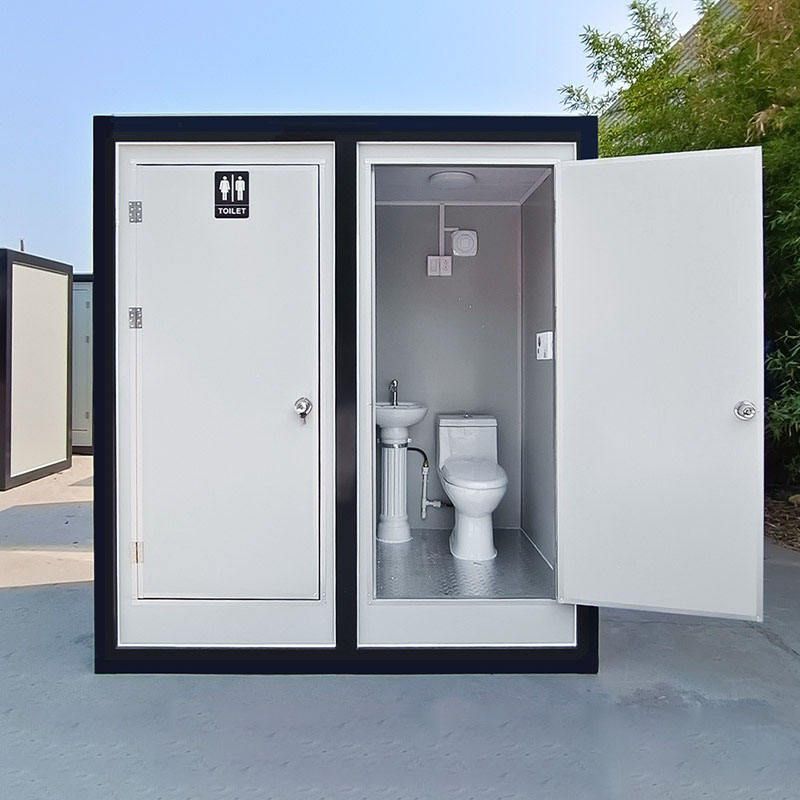
Flexible Design: The diverse sizes of containers offer rich possibilities for design. Standard containers measure 2.4 meters by 12.2 meters, while widened containers are 3.6 meters by 12.2 meters, allowing for countless combinations. For example, a certain homestay is constructed from three containers: two standard containers stacked vertically, with one side cantilevered out, and a custom-widened container serving as the main body of the first floor, connected like a纽带 (link). This design not only supports a staircase to the second floor but also incorporates large observation windows; the 138-square-meter indoor living area is complemented by an equally spacious outdoor space, with the flat roof transformed into a terrace and the cantilevered container creating a shaded corridor, fully demonstrating design flexibility.
Unique Style: These houses feature clean modern lines, with exposed steel and rusted surfaces creating a striking contrast, as if each rust mark is a stamp of time on the steel. In terms of style, they pursue an ultimate modern feel, such as using RTboard panels, where metal exteriors and weathering steel complement each other, preserving the original texture of the containers while giving the building a refined aesthetic.
Wide Application: They are commonly used as worker dormitories on construction sites and as rental housing. They also find wide application in temporary housing, creative spaces, and post-disaster emergency buildings. In 2026, the Nagoya Asian Games in Japan used container houses to build the Athletes' Village; in the same year, a characteristic homestay scenic area built from container houses emerged in Shanting District, Zaozhuang City, Shandong Province, China; in emergency medical facility construction, container houses played a crucial role due to their rapid deployment capabilities; in the commercial sector, some brands have transformed them into innovative applications like 24-hour self-service fitness pods.
Optimized Performance: Continuous technological optimizations and research are being conducted in areas such as thermal insulation, energy supply systems, and intelligent management. Container houses produced by different companies vary in wind and earthquake resistance, installation efficiency, transportation, storage, and reusability. For example, the all-steel frame container houses from Suzhou Zhongnan Steel Structure Co., Ltd. have passed third-party testing to withstand winds of up to Level 12 and earthquakes of Intensity 8, with a frame deformation rate of only 0.2%; their quick-assembly container units can be installed in just 2 hours per set, and a 100-unit camp can be set up and operational within 7 days from arrival; foldable container houses, when folded, occupy only one-fifth of their expanded volume, allowing 20 units to be loaded onto a standard freight truck, reducing transportation costs by 40% compared to non-foldable units, and can be stacked 8 layers high during storage, increasing storage space utilization by 60%.



