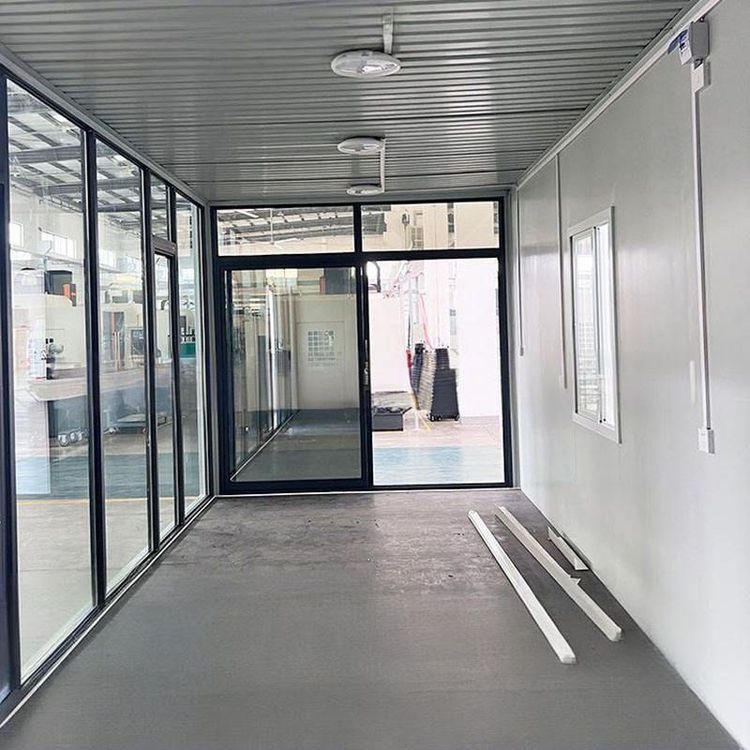
Modern Technology Public Mobile Toilet
Modern technology public mobile toilets are public sanitation facilities designed based on new materials and water-saving technologies, featuring high efficiency, environmental protection, and flexibility.

1. Materials and Design
The main frame is welded using national standard steel, with surfaces covered with anti-corrosion and fire-resistant materials such as color-coated steel plates and carved panels, offering a service life of over 20 years. The exterior wall materials can be selected according to environmental requirements, including color-coated steel plates, metal carved panels, anti-corrosion wood, stainless steel plates, or aluminum-plastic panels. The main structure meets the requirements for overall lifting. The modular design concept breaks down toilet units, water circulation systems, energy modules, etc., into independent components, facilitating separate upgrades or maintenance and extending the equipment's technological lifecycle.
2. Sewage Treatment and Water-Saving Technologies
- Circulating Water Flush Type: Through intermittent aerobic and anaerobic treatment units, biological strains are added, and biofilm technology is utilized to accelerate the decomposition of feces. The treated water can be recycled for flushing, achieving efficient water resource utilization.
- Dry Packing Type: Degradable plastic bags are used to collect excreta, which are automatically replaced and collected after use, eliminating the need for water flushing and reducing water consumption.
- Other Technologies: These include foam sealing type, water-saving flush type, microbial type, etc. For example, intelligent water-saving ecological toilets collect urine and hand-washing water, add water-saving agents, and achieve a flushing effect with only 0.46 liters of water per person.
3. Energy and Water Supply
- Energy Supply: In areas covered by the power grid, mains electricity is used for power supply; in parks or temporary event venues, solar photovoltaic panels combined with energy storage batteries can be switched to for green energy utilization.
- Water Supply: Priority is given to connecting to the municipal water supply network, while rainwater collection and purification devices are also equipped to ensure flexible water supply.
4. Excreta Treatment and Resource Recovery
After entering sealed treatment units, excreta undergo microbial degradation, high-temperature composting, or chemical stabilization treatment. Elements such as nitrogen and phosphorus are converted into solid fertilizers, while water undergoes multi-stage filtration and disinfection for non-potable uses (such as flushing or landscaping), forming a closed loop for resource recycling.
5. Intelligent Scheduling and Dynamic Response
The deployment of facilities is linked to urban dynamic data (such as traffic flow, event schedules, and population distribution), enabling management departments to predict peak toilet demands and formulate mobile toilet scheduling plans, improving the utilization efficiency of public sanitation resources.
6. Configuration Flexibility
- Standard Configuration: Includes toilet bowls (urinals), coat hooks, vanity mirrors, waste bins, lighting, exhaust fans, door locks, and occupancy indicators.
- Optional Configuration: According to needs, additional features such as heating and cooling air conditioners, air purifiers, freeze protection systems, heating systems, background music, hand-washing basins, and water-saving faucets can be added to enhance user comfort.