
Modern Environmental-Friendly Mobile Toilet Design
Modern environmental-friendly mobile toilet design focuses on mobility, cost-effectiveness, durability, and ecological sustainability, achieving functional optimization through innovations in materials, structure, mobility, and sewage treatment methods.
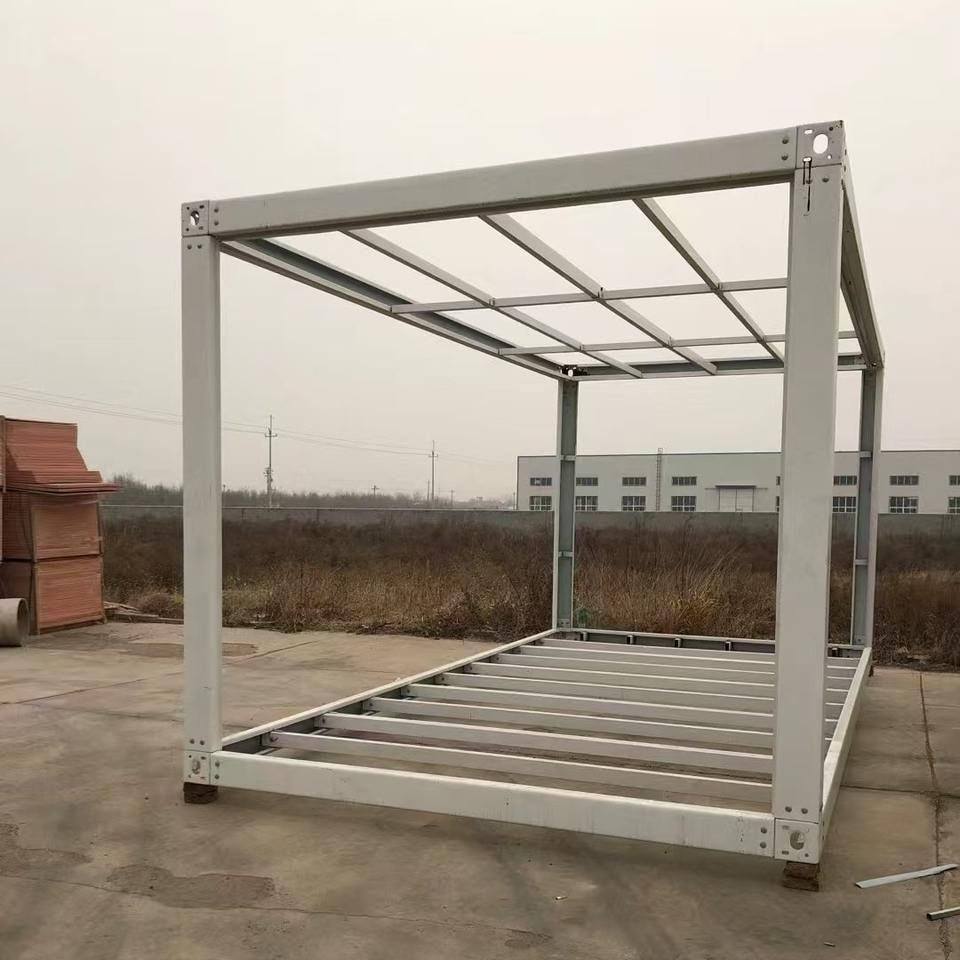
In terms of material selection, traditional wood, which tends to absorb odors, is gradually being phased out. Modern designs predominantly utilize lightweight yet high-strength materials such as fiberglass-reinforced plastic and polyethylene, which offer both stain resistance and ease of cleaning. The application of high-quality aluminum-plastic panels further enhances the aesthetic appeal, with their smooth surfaces and corrosion resistance allowing for sleek and modern designs while meeting durability requirements. For instance, some designs incorporate aluminum-plastic panels to wrap the framework, reducing weight and extending service life, making them suitable for complex outdoor environments.
Structural forms and mobility methods exhibit diversity. Monolithic structures are suitable for space-constrained scenarios, while composite structures meet the needs of multiple users through modular combinations. Mobility methods fall into two categories: first, lifting and handling types that rely on mechanical equipment for overall movement; second, powered and towed types equipped with engines or traction devices for autonomous or vehicle-towed movement. For example, double-unit mobile toilets adopt a wood-like ceramic composite structure and achieve rapid deployment through a towed chassis, balancing aesthetics and practicality.
Sewage treatment technology is crucial for environmental design. Water-flush toilets utilize storage tanks or municipal water supplies for flushing, requiring配套 (which means 'matching' or 'supporting' in Chinese, here it should be translated as 'accompanied by') septic tanks or suction systems; waterless suction types use vacuum negative pressure to collect feces, reducing water consumption; circulating water-flush types purify sewage through biological degradation or physical filtration, enabling water resource recycling; and dry-pack types directly encapsulate excreta in biodegradable bags, eliminating the need for water and facilitating easy cleanup. For instance, a mobile restroom modified from a storage tank forms a simple water-flush system by connecting to the tank via a floor drain, suitable for temporary events.
Design details emphasize lightweight construction and user-friendliness. The overall structure employs lightweight materials to reduce self-weight while controlling height and width through rational layout to ensure mobility stability. Mobility devices such as casters and towed chassis should be configured according to usage scenarios; for example, a design combining a wooden board with casters allows for quick position adjustments, while powered mobile toilets require brake systems for safety. Additionally, the layout of indoor fixtures like toilets and sinks should conform to ergonomic principles to enhance user comfort.



