Modern Design of Container Houses
The modern design of container houses is reflected in multiple aspects such as flexibility, environmental sustainability, functionality and aesthetic design, as well as customized design.

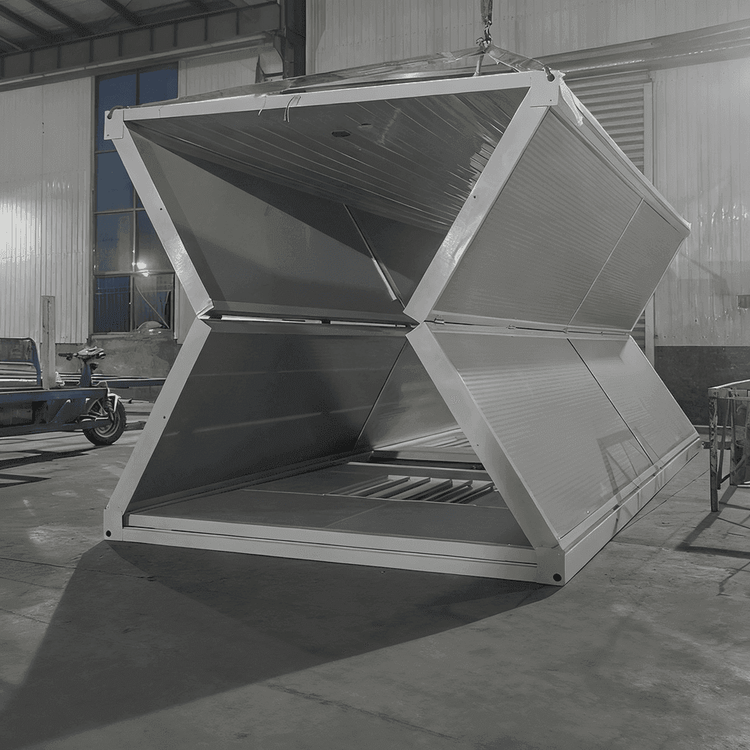
Flexibility: Container houses achieve rapid construction and flexible relocation through modular assembly and convenient transportation. This design enables container houses to quickly adjust their sites according to changing needs, meeting usage requirements in different scenarios. For example, an office composed of three containers has an area of about 45 square meters. Its layout is exquisite and efficient, with an independent workstation, a small conference table, and multiple storage spaces inside. It not only meets office needs but also demonstrates efficient space utilization.
Environmental sustainability: Container houses reuse and transform existing steel structures, reducing the consumption of traditional building materials and giving new value to discarded containers. Compared with traditional fixed buildings, modular spaces significantly shorten the construction cycle, generate less noise and waste during construction, and align with the development trend of green buildings. For example, Chengdong International adopts a hot-dip galvanized steel structure frame and pairs it with its self-developed 'sandwich' composite wall panels, achieving three major functions of thermal insulation, fire prevention, and sound insulation. Moreover, it can adapt to all-weather conditions, further enhancing the environmental performance of container houses.
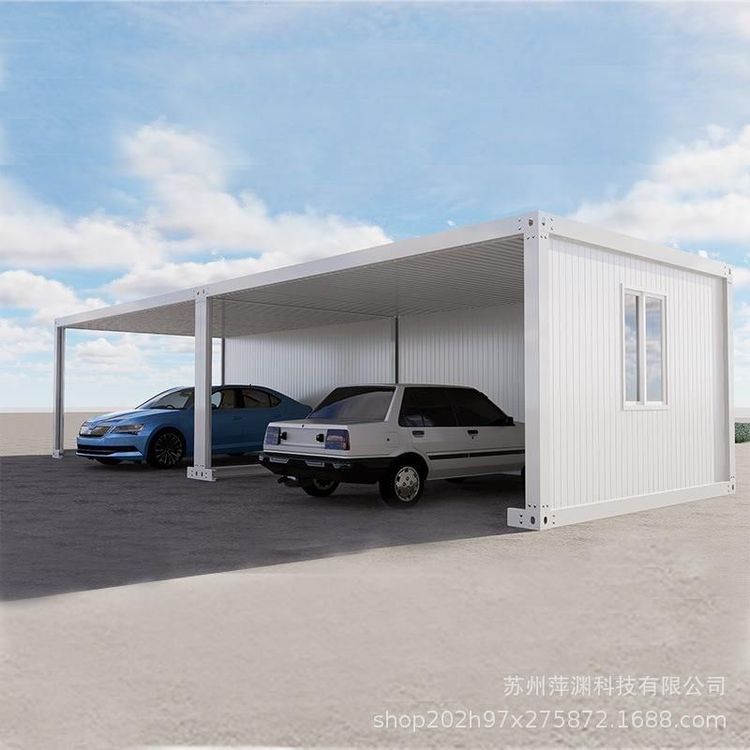
Functionality and aesthetic design: Container houses break through the limitations of traditional functions, achieving a dual upgrade in practicality and user experience. Through optimized functional zoning and detailed design, container houses can create living or working spaces that meet modern needs. At the same time, their modern appearance and industrial-style design not only have a sense of fashion but also showcase a company's brand image of pursuing innovation and sustainable development.
Customized design: The modern design of container houses is also reflected in a high degree of customization. For example, Chengdong International has established a combination matrix of 128 basic modules. Customers can design spaces like assembling Lego blocks, customizing each project from area and roof shape to exterior wall materials within a standardized framework, meeting the personalized needs of different customers.