
Mobile Wooden Toilet
A mobile wooden toilet typically refers to a toilet facility that adopts a structure or appearance similar to a wooden house and has mobility. Its core is to achieve rapid installation and relocation through modular design, suitable for temporary or mobile scenarios such as construction sites and scenic spots.
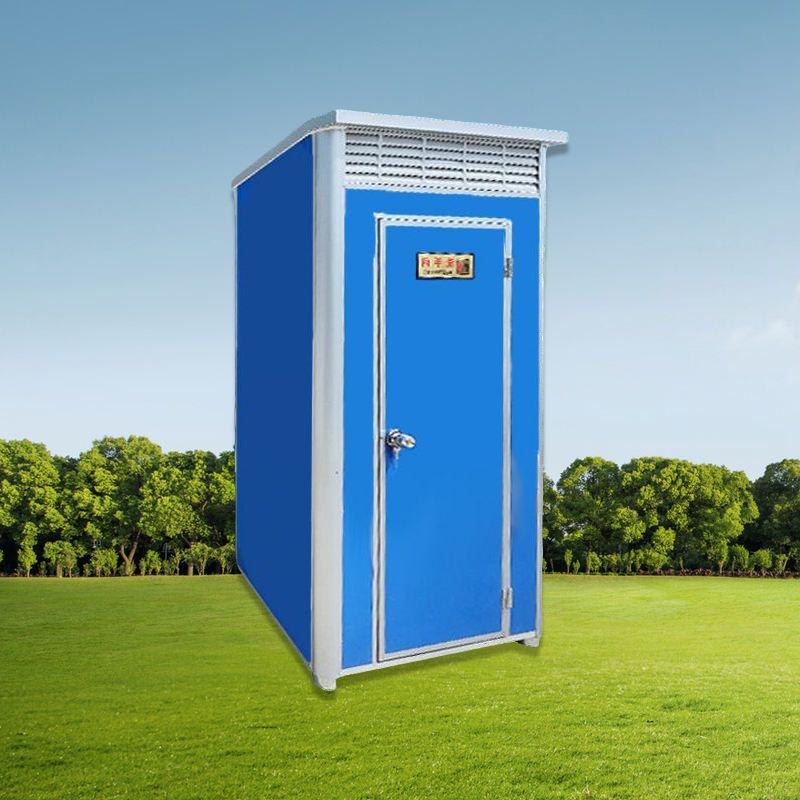
I. Basic Composition and Functions
The composition of a mobile wooden toilet is similar to that of an ordinary mobile toilet, but its materials or appearance are closer to those of a wooden house. Its core components include:
- Fecal treatment system: Equipped with storage tanks or simple treatment devices for collecting and temporarily storing excreta. Some high-end models may integrate septic tanks or biodegradation technology.
- Structural main body: It adopts a light steel frame or container structure, covered with wooden boards, metal sheets, or wood-like materials to form an appearance similar to a wooden house. The walls usually have insulation and waterproof functions to adapt to outdoor environments.
- Sanitary facilities: It includes toilets (squat or sit types), sinks, water tanks, etc. Some models are also equipped with shower rooms to meet multi-functional needs.
- Mobile device: Wheels or towing devices are installed at the bottom, which can be transported as a whole using forklifts, trucks, and other tools without on-site disassembly and assembly.
II. Common Types and Characteristics
According to different usage scenarios and designs, mobile wooden toilets can be divided into the following types:
- Container-type toilets: Based on standard containers, the interior is transformed into toilet space, with an appearance similar to metal wooden houses. They have a sturdy structure and are suitable for long-term repeated use.
- Light steel movable panel house toilets: They use light steel frames and wooden boards or color steel sheets for enclosure, can be quickly assembled and disassembled, have low costs, and are commonly used for temporary use on construction sites.
- Towable RV toilets: Integrated into towable RVs, they have mobility and are suitable for scenic spots, campsites, and other scenarios. Some high-end models are equipped with complete bathroom systems.
- Assembled modular toilets: Composed of multiple independent modules (such as toilet units and washing units) that can be spliced together, they can be flexibly combined according to needs, and their appearance can be customized in a wooden house style.
III. Application Scenarios and Advantages
The mobility and modular design of mobile wooden toilets make them suitable for various scenarios:
- Temporary use on construction sites: They can be quickly deployed on construction sites to solve the toilet problems of construction workers and can be relocated to other projects after the completion of the project.
- Scenic spots and parks: As supplementary sanitary facilities, they avoid the environmental damage caused by the construction of fixed toilets and can adjust their positions according to tourist traffic.
- Emergency rescue: In natural disasters or large-scale events, they serve as temporary sanitary solutions to quickly restore basic service functions.
- Rural and remote areas: They replace traditional dry toilets, improve sanitary conditions, and can be rearranged according to population migration or changes in demand.
Their core advantages include: easy installation, controllable costs, environmental protection, and flexibility, and they can take into account both aesthetics and practicality through customized design.



