
Mobile Traction Environmental Toilet
A mobile traction environmental toilet is a movable environmental public toilet. Some types adopt a traction design, making them easy to tow and arrange, and suitable for various scenarios.
I. Basic Structure and Features
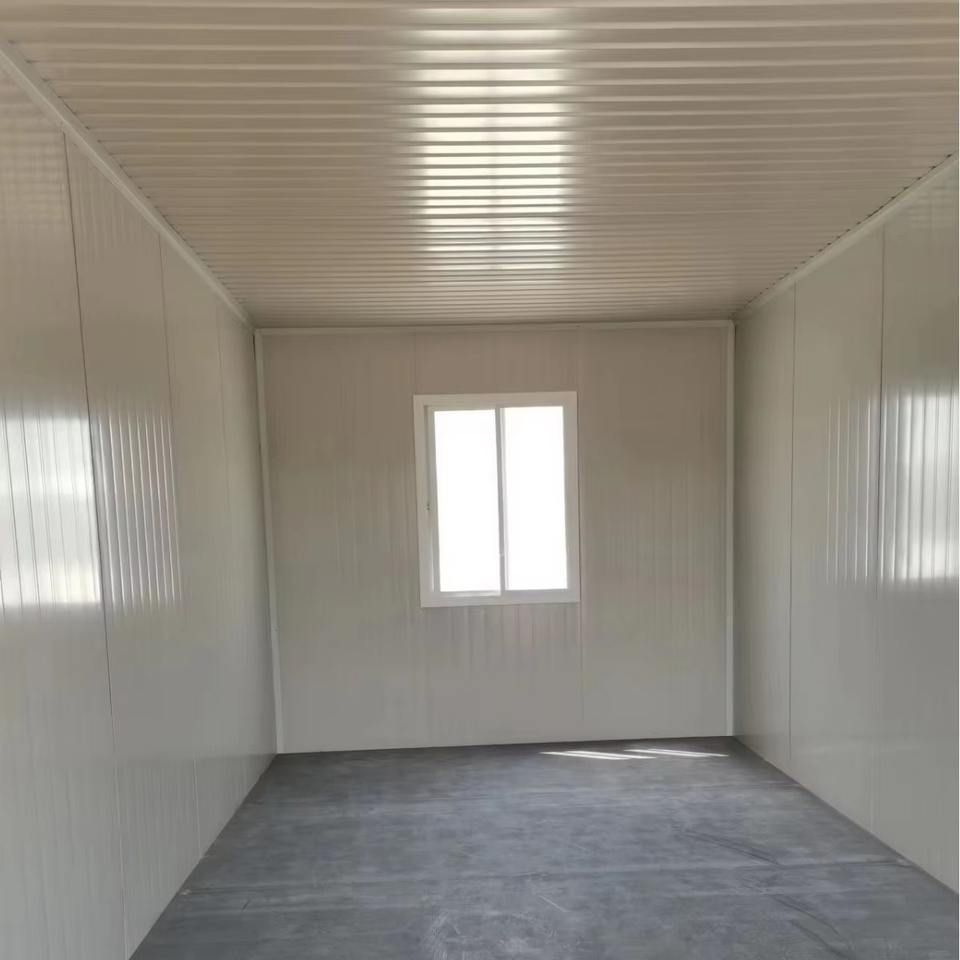
The core advantage of a mobile traction environmental toilet lies in its mobility. Taking the towed mobile environmental smart toilet as an example, it is usually two meters wide and equipped with a towing chassis at the bottom. It can be towed to the designated location by a tractor and can be quickly deployed without a fixed foundation. These toilets adopt a modular design, with clearly divided internal spaces, including a management room, an equipment room, and multiple squatting positions. The squatting positions are generally equipped with vacuum foam squatting pans, which reduce odors and water consumption through foam coverage. Some products use a microbial degradation system, utilizing specific bacteria to decompose excrement, achieving harmless treatment and reducing sewage discharge.
II. Functional and Configuration Differences
According to the usage scenario and budget, the functional configurations of mobile traction environmental toilets vary significantly.
- Basic Type: For example, a simple straight-discharge mobile toilet, priced at about 950 yuan, has a simple structure and adopts a straight-discharge design. It needs to be connected to a sewage pipeline or have the septic tank cleaned regularly, suitable for temporary events or low-frequency usage scenarios.
- High-end Type: For example, a foreign trade export double-room toilet trailer, priced at about 15,999 yuan, is equipped with an independent management room, air conditioning, a lighting system, and intelligent monitoring equipment. It supports microbial degradation or vacuum adsorption technology and can meet the needs of high-traffic scenic spots or emergency rescue operations.
- Smart Type: Some products integrate Internet of Things technology, using sensors to monitor the usage status of toilet positions, air quality, and equipment operation in real-time, supporting remote management and improving operation and maintenance efficiency.
III. Application Scenarios
- Outdoor Scenic Spots: Solve the problem of tourists' toilet needs and reduce damage to the natural environment.
- Emergency Scenarios: Such as natural disasters and large-scale events, they can be quickly deployed to provide temporary sanitation facilities.
- Municipal Construction: Suitable for short-term demand scenarios such as road construction and temporary markets, avoiding the high cost and long cycle of traditional public toilet construction.
IV. Environmental Significance
Mobile traction environmental toilets significantly reduce water consumption and sewage discharge through microbial degradation, vacuum adsorption, and other technologies, in line with the concept of green development. Their mobility avoids the construction waste generated by the demolition of traditional public toilets and achieves resource recycling.



