
Mobile Toilets Solve Tourists' Needs
Mobile toilets effectively solve the toilet challenges faced by tourists in outdoor settings, with their design features and functional advantages reflected in privacy protection, flexible deployment, and ecological friendliness.
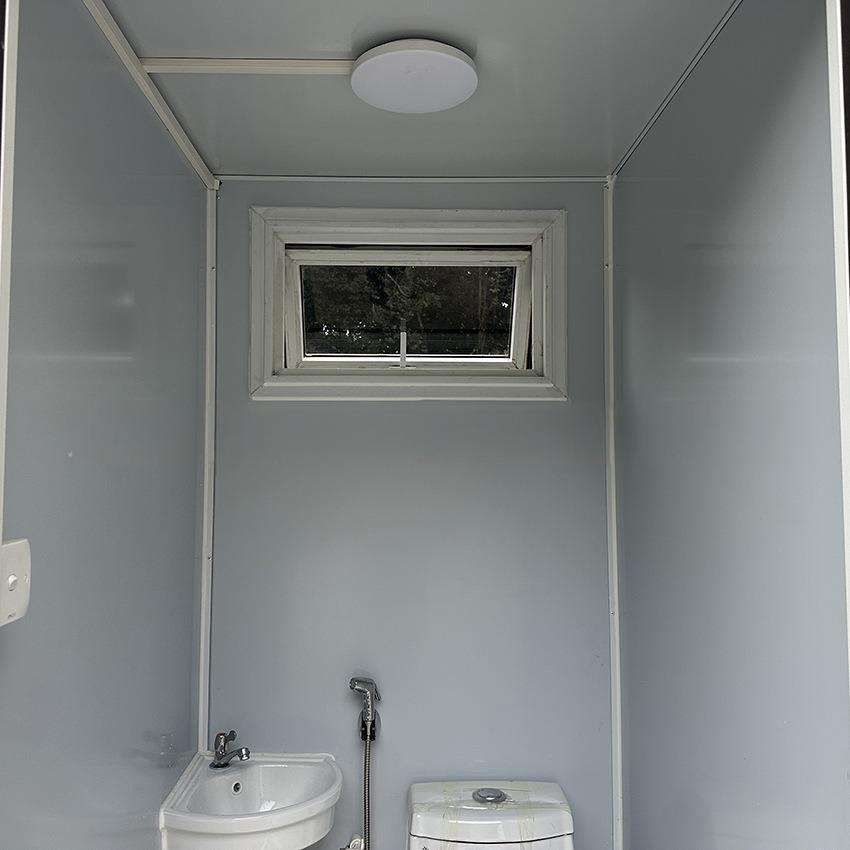
1. Privacy Protection and Basic Functional Optimization
Mobile toilets are equipped with multiple independent squatting compartments, ensuring that each tourist has a private toilet space and avoiding privacy breaches caused by the lack of barriers in traditional outdoor toilets. The compartments are constructed using corrosion-resistant, high-strength materials (such as fiberglass, stainless steel, and metal carved panels), which guarantee structural stability while being lightweight and easy to transport. These materials do not rely on underground pipelines or water and electricity infrastructure projects; they can be directly transported by trucks to the target location and quickly assembled and disassembled, providing tourists with immediately usable sanitation facilities.
2. Flexible Deployment and Scene Adaptation Capabilities
Modular design is one of the core advantages of mobile toilets. Their standardized components can be quickly assembled or disassembled to adapt to the changing needs of different tourist scenarios. For example, during holidays or large-scale events, scenic area managers can dynamically adjust the positions of the toilets based on tourist flow distribution, deploying them in areas with a shortage of fixed facilities but high tourist traffic (such as entrances and around popular attractions) to effectively alleviate toilet queuing. This "on-demand" characteristic makes them an ideal solution for handling sudden tourist peaks or temporary events.
3. Ecological Friendliness and Efficient Resource Utilization
In response to the ecological protection needs of scenic areas, mobile toilets have innovatively applied recycling treatment systems. For instance, microbial degradation ecological toilets use specific bacteria to decompose excrement, achieving harmless treatment and reducing odors while avoiding soil and water pollution caused by sewage discharge. Water-saving flushing technology, through optimized water flow design, significantly reduces water consumption, meeting the operational needs of scenic areas in water-scarce regions. These technologies not only reduce the load on the fragile ecosystems of scenic areas but also lower long-term maintenance costs, embodying the concept of sustainable development.
4. Typical Application Scenarios and Effects
Taking holiday scenic area management as an example, mobile toilets can quickly cover areas with high tourist traffic, reducing toilet waiting times from over 30 minutes for traditional fixed toilets to 5-10 minutes, significantly improving the tourist experience. Additionally, their mobility allows scenic areas to adjust their layout according to seasons or event types (such as music festivals and marathons), avoiding resource idleness or excessive investment and achieving precise matching between sanitation facilities and tourist needs.



