
Mobile Toilets on the Snowy Plateau
On the snowy plateau, mobile toilets represent an important practice of the 'toilet revolution,' aiming to address the challenges of sanitation in high-altitude, cold regions and improve both tourism and living environments.
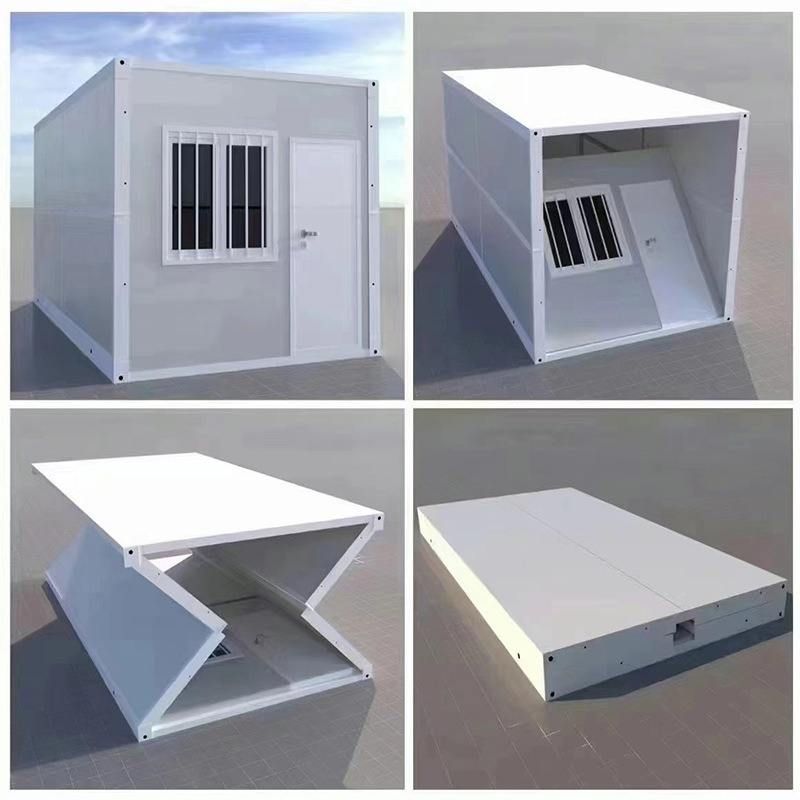
The Necessity of Mobile Toilets
The snowy plateau (such as Tibet) presents extreme conditions of high altitude, low temperatures, and oxygen deficiency, making traditional flush toilets impractical. Water scarcity makes flushing difficult, low temperatures can freeze pipes, and unstable power supply limits the operation of electric equipment. Additionally, the fragile ecology of plateau regions means that sewage discharge from traditional toilets can pollute soil and water sources. Mobile toilets, through modular design and waterless or water-saving technologies, effectively circumvent these issues, becoming the preferred solution for plateau environments.
Types and Applications of Mobile Toilets
According to demand, mobile toilets for plateaus are divided into two types: standalone and vehicle-mounted.
- Standalone Mobile Toilets: These are compact and flexible in deployment, allowing for quick installation in scenic spots, transportation hubs, or temporary event venues. For example, Chengguan District in Lhasa applied for the purchase of such toilets during major festivals to meet increased sanitation demands due to surging visitor numbers.
- Vehicle-Mounted Mobile Toilets: Integrated onto vehicle chassis, these toilets offer strong mobility and are suitable for remote areas or temporary events. They typically come equipped with fecal storage tanks and power generation equipment, enabling independent operation and reducing reliance on infrastructure.
Technological Adaptations for Plateau Environments
To cope with the special conditions of plateaus, mobile toilets require optimization in the following areas:
- Freeze Protection Design: Insulating materials are used to wrap pipes and fecal storage tanks to prevent freezing at low temperatures; some models are equipped with heating devices to ensure normal operation below -30°C.
- Water-Saving or Waterless Technologies: Through foam sealing, microbial degradation, or packaging-based treatment, water usage is reduced or eliminated. For instance, microbial degradation toilets utilize bacterial colonies to decompose feces, requiring no flushing and producing no odors.
- Energy Supply: Combining solar panels and batteries addresses power shortages; some models also include diesel generators as backup power sources.
Social and Ecological Benefits
The promotion of mobile toilets has significantly improved public sanitation levels in plateau regions and reduced ecological damage caused by sewage discharge. Meanwhile, their convenience has enhanced the visitor experience and promoted local tourism development. For example, by adding mobile toilets, Lhasa has effectively alleviated sanitation challenges during festivals and enhanced the city's image.
In summary, mobile toilets on the snowy plateau represent a combination of technological adaptability and social demand, providing innovative solutions to public sanitation issues in extreme environments.



