
Mobile Toilets on the Grassland
Mobile toilets on the Inner Mongolian grassland offer numerous advantages, effectively addressing the challenges posed by traditional toilet methods.
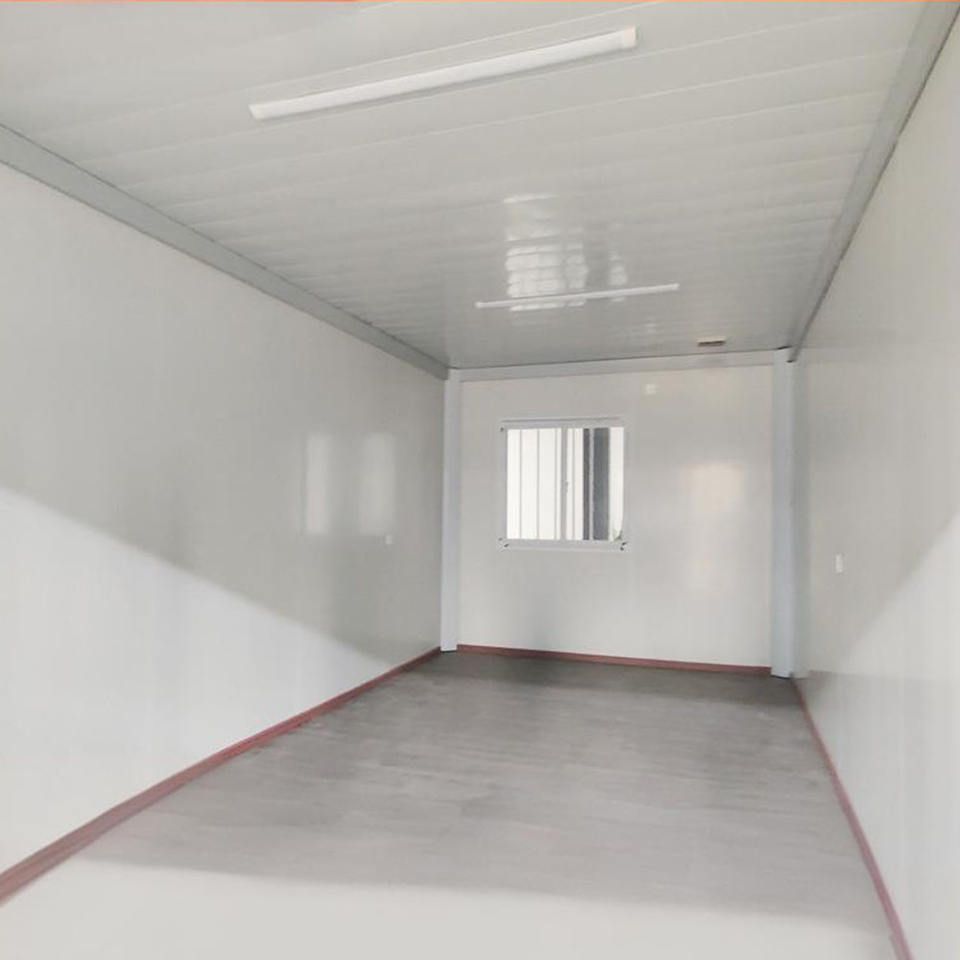
I. Flexible Deployment and High Construction Efficiency
The construction of traditional fixed toilets is constrained by geographical conditions and environmental protection requirements, resulting in sparse distribution. The construction process involves civil engineering tasks such as foundation excavation and pipeline laying, causing one-time and irreversible damage to the grassland soil and vegetation. Additionally, the construction period is long and significantly affected by weather and seasons. In contrast, mobile toilets adopt a modular design, with the main structure, internal facilities, and treatment systems prefabricated in factories. They are transported as a whole to the site, and the deployment process typically does not involve large-scale civil engineering. Only a flat site is required for quick installation, and they can be put into use within a few hours. They can be flexibly configured in different tourist camps, observation platforms, or temporary event venues, truly achieving the concept of "appearing when needed and relocating after use."
II. Outstanding Environmental Performance
Traditional dry toilets or simple pit toilets often allow waste to directly seep into the soil or be simply buried, posing risks of groundwater contamination and disease transmission, and making odor control difficult. Modern mobile toilets used on the grassland mainly employ environmentally friendly waste treatment technologies such as microbial degradation, packing treatment, and recirculating water flushing, generating almost no environmental pollution and eliminating direct contamination of local soil and water sources.
III. Design Incorporating Local Characteristics and Humanized Considerations
The design of the mobile toilet booth incorporates elements of the Mongolian yurt, with an exterior covered in highly weather-resistant and easy-to-clean environmentally friendly materials. The interior is well-equipped, including water-saving fixtures, barrier-free facilities, intelligent lighting, and efficient ventilation systems. Using a steel frame for structural support, it is both wind-resistant and stable. In winter, insulation layers can be added, and in summer, ventilation designs are in place. Without the need for complex infrastructure, it can be used immediately upon placement. For pastures, it avoids the land occupation issue of fixed toilets, and for construction sites, workers do not need to travel long distances. The interior space is compact but fully functional, and daily cleaning is convenient.



