
Mobile Toilets on Plateau
When using mobile toilets in plateau regions, targeted adjustments are required in terms of thermal insulation, ventilation, materials, water supply and drainage, structural stability, transportation and installation, waste collection and deodorization, and energy supply.
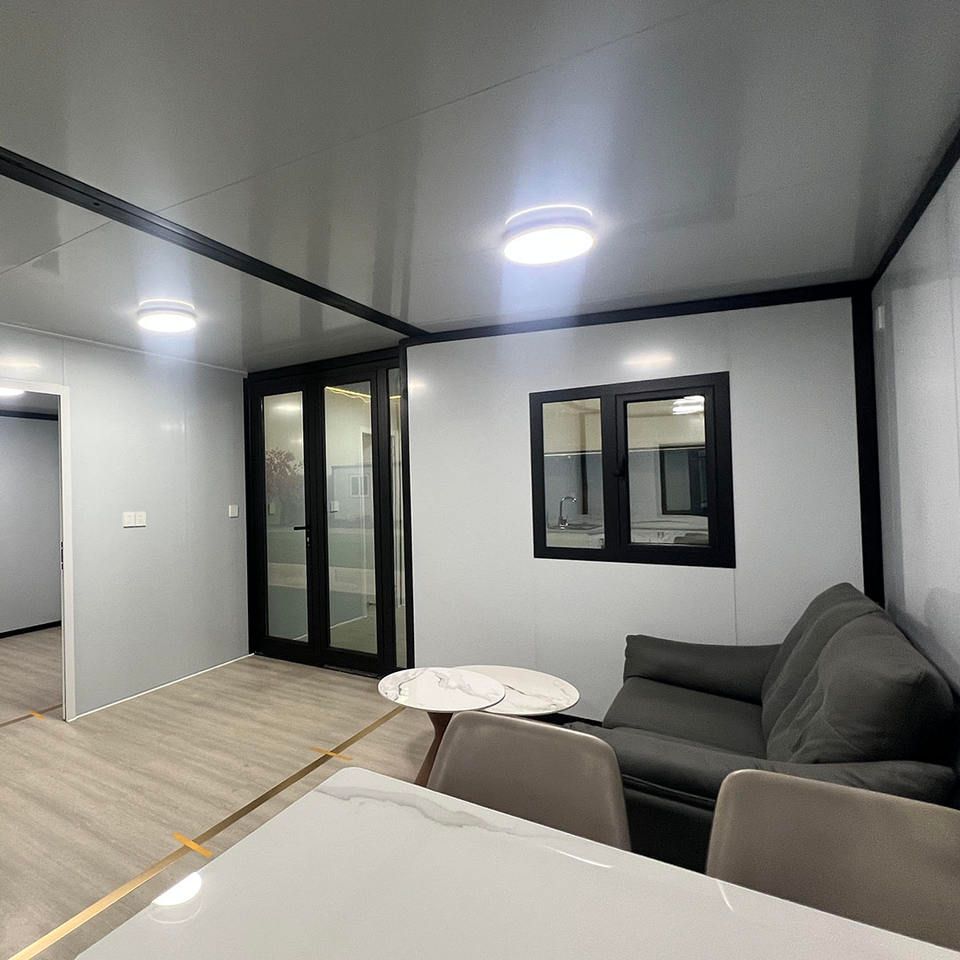
Thermal Insulation Performance: The temperature difference between day and night on the plateau is extremely large, making it difficult for ordinary materials to maintain a suitable temperature inside the toilet. It is necessary to use efficient thermal insulation materials such as thickened polyurethane foam boards, which have low thermal conductivity and can effectively reduce heat transfer. At the same time, plateau-specific fuel-fired warm air blowers should be equipped to automatically adjust power according to the ambient temperature, ensuring a stable and comfortable indoor temperature.
Ventilation System: Due to the thin oxygen on the plateau, ventilation design needs to balance air circulation and dust prevention. It is necessary to increase the area of exhaust vents and the number of intake vents to form a scientific airflow organization. Equipped with air filtration devices, they can intercept more than 90% of dust particles, ensuring clean air entering the toilet and preventing equipment malfunctions caused by dust accumulation.
UV-Resistant Materials: The UV radiation intensity on the plateau is 2-3 times that of plain areas, causing ordinary materials to age and fade easily. It is necessary to select UV-resistant plastic or metal sheets with UV absorbers added to their surfaces, which can effectively reflect and absorb UV rays, extending the service life of materials and preventing internal decorative materials from fading due to UV exposure.
Water Supply and Drainage System: In a low-pressure environment, the boiling point of water decreases, and the pressure settings of ordinary water tanks cannot meet flushing requirements. It is necessary to adjust the water tank pressure to 0.3-0.5 MPa and use plateau-adapted water heaters to ensure normal hot water supply. Some facilities adopt waterless or micro-water flushing technologies, using biodegradable film wrapping or vacuum suction to transfer waste, reducing water consumption.
Structural Stability: The plateau often experiences strong winds, so mobile toilets need to be wind-resistant. It is necessary to reinforce the foundation using concrete pouring or ground anchors and add wind-resistant support devices such as diagonal braces or guy wires. The structural framework often uses aluminum alloy materials, which are strong and lightweight, and additional fixing devices are added to ensure stability without shaking in strong winds.
Transportation and Installation: Due to inconvenient transportation in plateau regions, mobile toilets need to be easy to transport and install. Modular design is adopted, dividing the toilet into multiple standard modules, each weighing no more than 200 kg, facilitating manual handling and assembly. The modules use quick-connect structures, allowing installation and disassembly to be completed within 2 hours.
Waste Collection and Deodorization: In Tibet, sealed storage tanks are used to collect waste, preventing accelerated liquid volatilization due to pressure changes. Deodorization units mostly use microbial degradation or physical adsorption methods to reduce abnormal reactions that chemical agents may cause in low-oxygen environments, ensuring fresh air inside the toilet.
Energy Supply: Some high-altitude stations are equipped with solar heating devices to prevent liquid in storage tanks from freezing at low temperatures. Power supply relies on a combination of photovoltaic panels and batteries, with photovoltaic panel conversion efficiency not less than 20% and battery capacity meeting the demand for 3 days of cloudy weather, ensuring continuous operation of lighting and ventilation fans.



