
Mobile Toilets in Retail Stores
When setting up mobile toilets in retail stores, it is essential to understand their characteristics as follows:
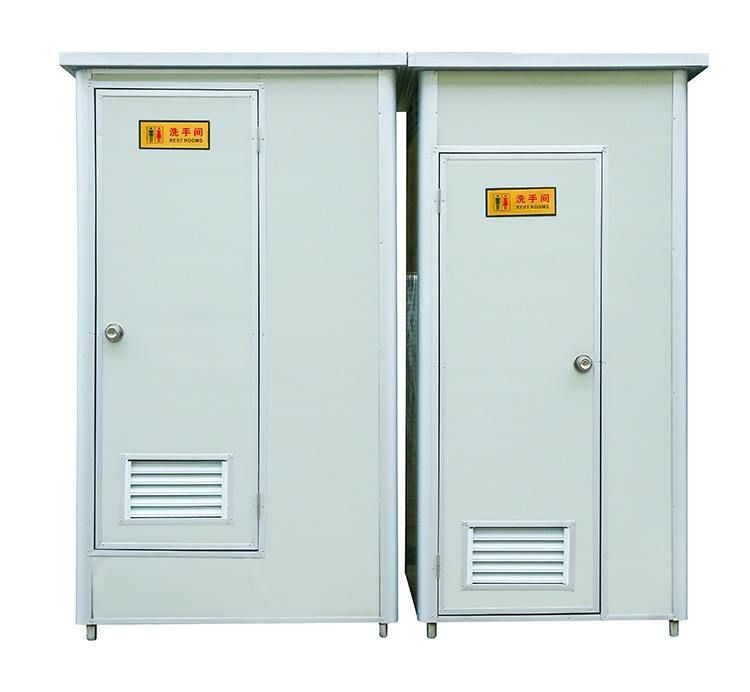
Mobile toilets are public sanitation facilities that can be moved as a whole and flexibly deployed, suitable for both fixed and temporary locations to provide toilet services to the public. Their core components include fecal sewage storage tanks (or disposal units), floor slabs, sanitary fixtures, walls, washing equipment, water tanks, roofs, and mobile devices. They are characterized by mobility, modularity, and ease of transportation, allowing repeated use in various scenarios.
I. Classification by Structure and Mobility
- Structural Forms
- Single-unit Structure: Designed as an independent unit, suitable for scenarios with limited space or temporary needs, such as exhibitions and construction sites.
- Composite Structure: Composed of multiple units, expandable to include multiple toilet stalls or additional functional areas (such as management rooms and barrier-free facilities), ideal for retail stores or scenic spots with high foot traffic.
- Mobility Methods
- Lifting and Handling Type: Relies on forklifts or cranes for overall transportation, suitable for short-term events or locations requiring frequent relocation.
- Powered and Trailer Type: Equipped with a power system or trailer device, capable of autonomous movement or being towed by vehicles, suitable for long-term fixed locations that occasionally require repositioning.
II. Classification by Sewage Treatment Methods
- Water-flush and Waterless Suction Type: Feces are discharged into storage tanks through water flushing or vacuum suction, requiring regular cleaning and transportation, suitable for retail stores with access to water and convenient sewage disposal conditions.
- Recirculating Water-flush Type: Utilizes biodegradation or chemical treatment technologies to purify sewage, enabling water recycling and reducing cleaning frequency, suitable for areas with high environmental protection requirements.
- Dry Packing Type: Uses biodegradable bags to collect feces, eliminating the need for water and sewage systems, with strong sealing properties, suitable for remote retail stores with water scarcity or no sewage disposal conditions.
III. Design Principles
The design of mobile toilets should adhere to three principles:
- Mobility Convenience and Economic Durability: Lightweight yet sturdy structures with corrosion-resistant materials to reduce transportation and maintenance costs.
- Environmental Protection and Ecology: Prioritize the use of water-saving and energy-saving technologies to minimize pollution emissions, such as recirculating water-flush types that reduce water consumption.
- Enhanced Efficiency and Humanitarian Care: Reasonably plan the number of toilet stalls, gender ratios, and barrier-free facilities to improve user experience and fairness.
When setting up mobile toilets in retail stores, it is necessary to select the appropriate type based on actual needs (such as foot traffic, usage duration, and water availability) and ensure compliant installation and regular maintenance to fully leverage their flexibility and practicality.



