Mobile Toilets in High-Rise Construction
Mobile toilets in high-rise construction are specialized facilities designed to address the challenge of sanitation for workers on construction sites. Their core functions and design features are as follows:

1. Core Functions and Structural Features
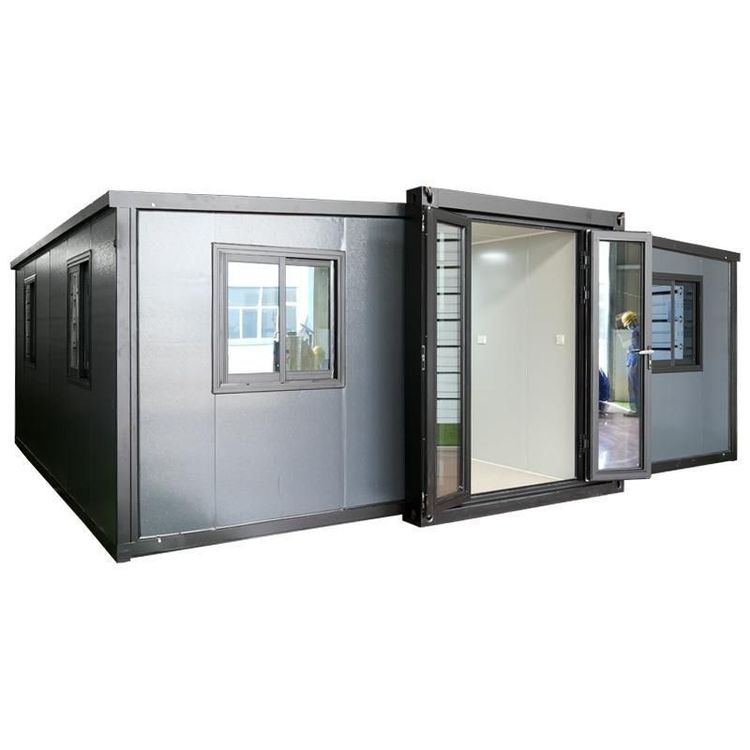
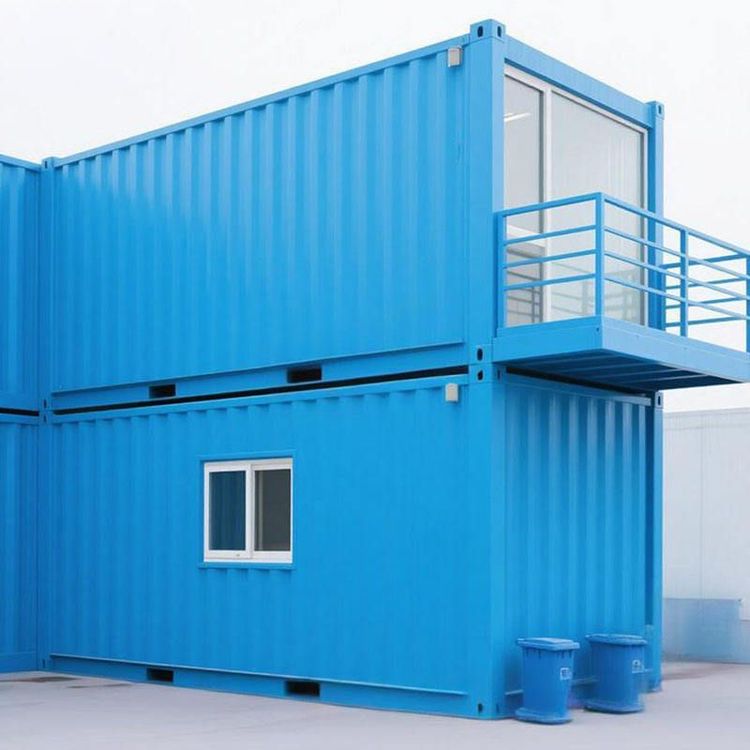
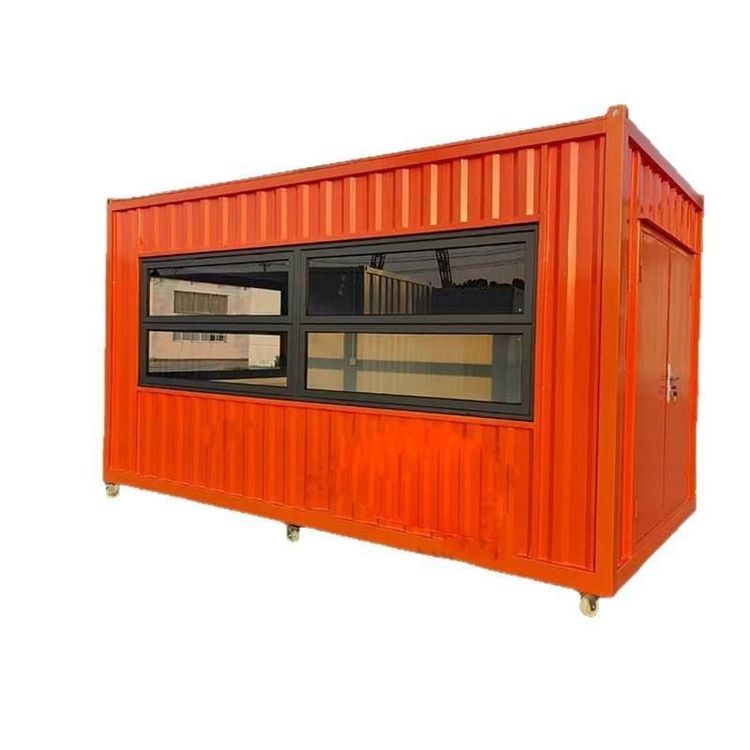
Mobile toilets for high-rise construction typically adopt a modular box design to accommodate changes in floor height during different construction phases. Taking the box-type mobile restroom designed by Shanghai Xinzhang Company as an example, it is equipped with a waterless mechanical packing squat toilet inside. This mechanism automatically packs and seals excreta through mechanical devices, preventing odor diffusion and sewage overflow. This design does not require connection to water supply and drainage pipes; it only needs regular replacement of packing bags to maintain usability, making it particularly suitable for sanitation needs in areas where the exterior facade of high-rise buildings is not yet enclosed or in temporary construction zones. Additionally, the box structure uses lightweight yet high-strength materials (such as aluminum alloy or high-density plastic) to ensure stability during lifting operations while reducing the load on tower cranes or construction elevators.
2. Construction Adaptability and Dynamic Adjustment
The greatest advantage of mobile toilets lies in their mobility. As the construction progress of high-rise buildings advances, the toilets can be hoisted in their entirety to the target floor using tower cranes or construction elevators, eliminating the need for repeated construction of fixed restrooms. For instance, during the main structure construction phase, the toilets can be placed near the core tube or elevator shaft; after entering the decoration phase, they can be relocated to areas where workers are concentrated, minimizing the distance workers need to travel for restroom use. This dynamic layout not only resolves the issue of "difficulty in accessing restrooms" caused by increasing floor heights in traditional fixed restrooms but also avoids resource waste due to changes in construction areas.
3. Enhancement of Construction Management and Civilization Building
The widespread adoption of mobile toilets has significantly improved the sanitary environment on construction sites. Traditional sites often suffer from sewage flowing everywhere and pervasive odors due to workers relieving themselves indiscriminately, whereas mobile toilets effectively reduce environmental pollution by centralizing excreta treatment. Meanwhile, their enclosed design lowers the risk of mosquito and fly infestation, aligning with standards for civilized construction. From a management perspective, the use of mobile toilets saves workers time traveling to ground-level restrooms (statistics show an average of about 15 minutes per round trip), allowing them to devote more energy to their tasks and indirectly enhancing construction efficiency. Furthermore, this facility reflects the project party's attention to workers' basic needs, embodying the "people-oriented" management philosophy and helping to strengthen team cohesion and workers' sense of belonging.
4. Economic Efficiency and Environmental Protection
Compared to traditional fixed restrooms, mobile toilets reduce initial construction costs by approximately 40% as they do not require pipeline laying or septic tank excavation. Their waterless design is particularly advantageous in water-scarce areas or temporary construction sites, saving about 2 tons of water per day (based on 50 uses). The packed excreta can be recycled as organic fertilizer, achieving resource circulation. Although regular cleaning of packing bags is necessary (typically every 3-5 days), the overall maintenance cost remains lower than that of traditional restroom cleaning fees.