
Back to blog
Article
Mobile Toilets in Farmland
Admin October 08, 2026
Mobile toilets in farmland are movable sanitation facilities designed to address the shortage of fixed sanitation facilities in rural areas, particularly meeting the needs of farmers working long hours in the fields during busy farming seasons.
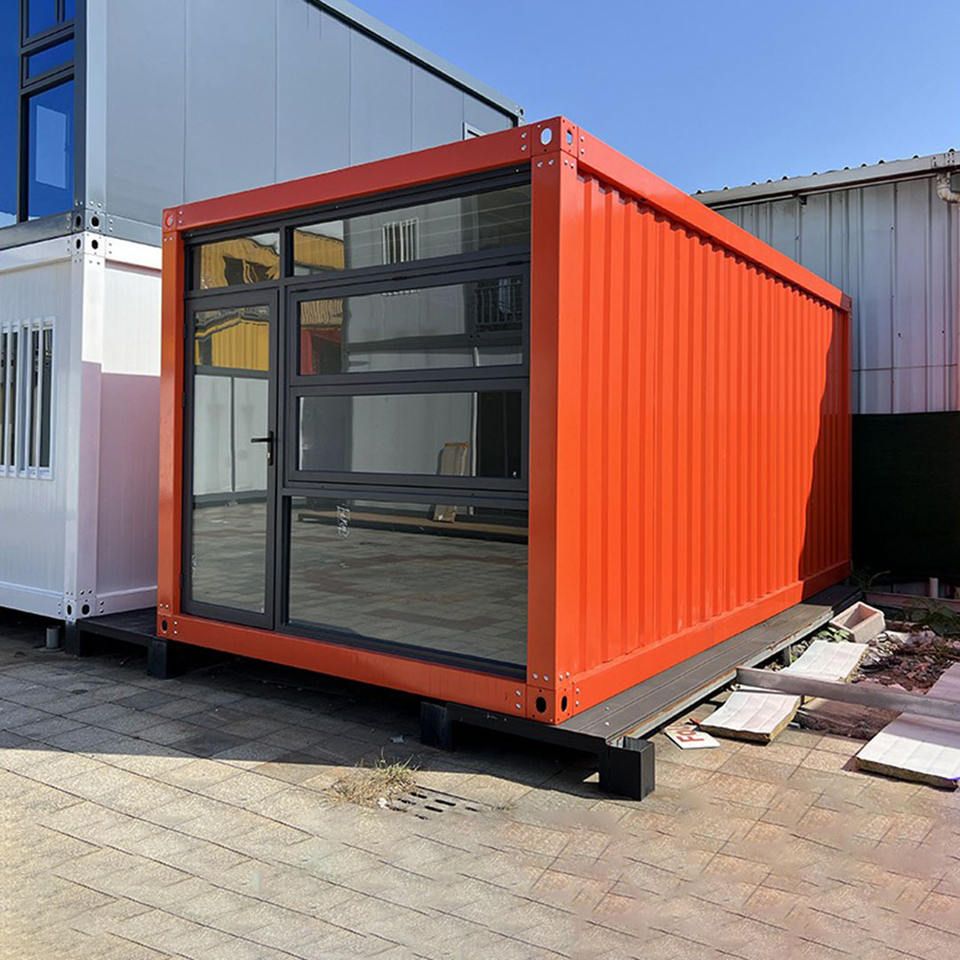
Types and Functional Characteristics
Mobile toilets are categorized into three types based on usage scenarios and environmental protection requirements:
- Simple Type: With a straightforward structure, typically consisting of a toilet bowl and a collection bucket, it is suitable for short-term or temporary use. Its advantages include low cost and easy portability, but it requires frequent waste removal and offers relatively poor comfort.
- Ecological Type: Utilizing environmental protection technologies, such as composting treatment systems, it converts feces into organic fertilizer. This type of toilet promotes decomposition by controlling humidity and temperature, reducing environmental pollution. However, it requires regular maintenance of composting conditions to ensure safe conversion.
- Combined Type: Integrating flushing functions with waste treatment systems, it provides a more comfortable toilet experience. For example, it is equipped with manual or simple automatic flushing devices and sealed waste collection containers, suitable for long-term or high-frequency usage scenarios.
Material and Structural Design
Mobile toilets typically consist of three parts:
- Outer Shell: Made of durable materials such as color-coated steel plates, metal carved plates, or high-strength plastics, it is weather-resistant and corrosion-resistant. Common specifications are 1.3×1.3×2.3 meters or 1.5×1.8×2.3 meters, with a temperature range of -35℃ to 100℃, adapting to extreme climates.
- Internal Facilities: Including toilet fixtures (squat pans or sit toilets), water tanks (for flushing types), and waste collection devices. Toilet fixtures are mostly made of non-slip plastics or stainless steel, and water tank capacities are designed according to usage frequency to ensure flushing efficiency.
- Support Frame: Using lightweight metals (such as aluminum alloys) or high-strength plastics, it ensures structural stability while facilitating portability. Some models are equipped with foldable frames to further reduce transportation volume.
Hygiene Management and Maintenance
- Waste Removal: Simple types require daily replacement of collection bags or cleaning of collection buckets; ecological types need regular inspection of compost humidity (ideally 50%-60%) and temperature (optimally 55℃-65℃) to ensure thorough decomposition; combined types require emptying sealed containers to prevent overflow.
- Surface Cleaning: Use clean water and neutral detergents to wipe the outer shell and internal facilities, removing stains and odors.
- Disinfection Treatment: Weekly spraying of diluted disinfectants (such as chlorine-based disinfectants) on high-frequency contact areas like toilet fixtures and door handles to kill pathogens.
- Ventilation Optimization: Ensure that ventilation openings at the top or sides of the toilet are unobstructed to reduce moisture and odor accumulation, extending service life.
By reasonably selecting types, standardizing material usage, and conducting scientific maintenance, mobile toilets can effectively improve sanitation conditions in farmland, balancing practicality and environmental protection.



