Mobile Toilets in Cities
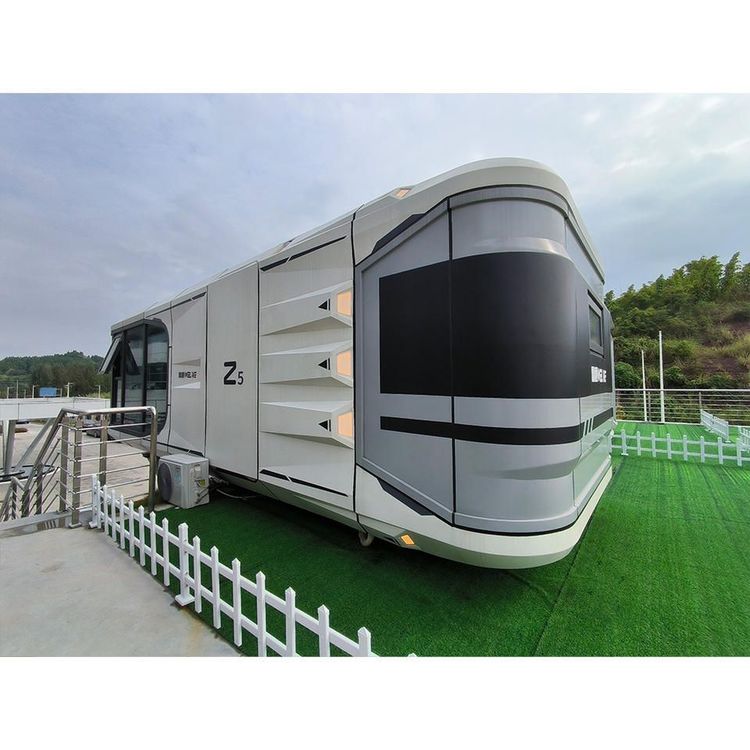
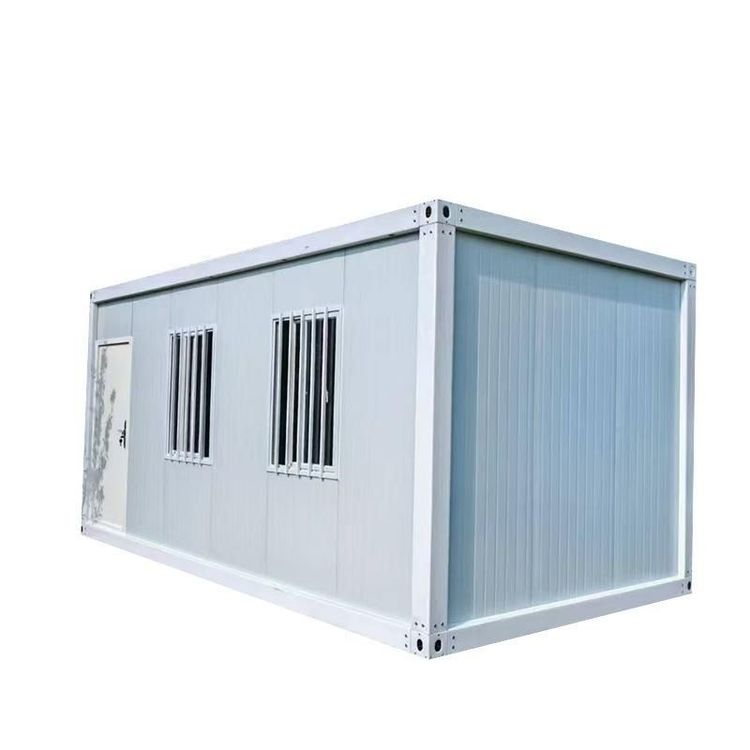
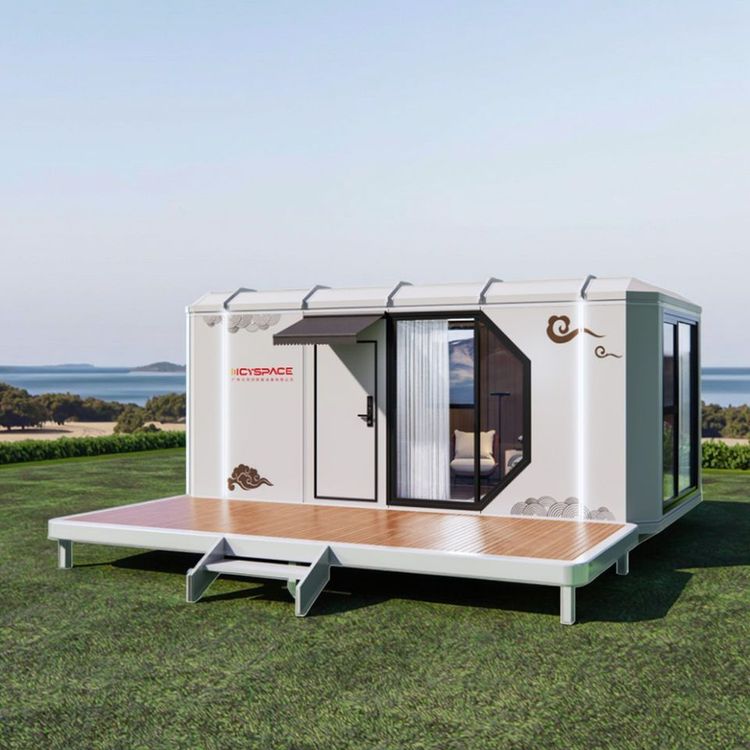
Mobile toilets in cities are facilities that can be moved as a whole and provide public toilet services. They are suitable for a variety of locations, have multiple classifications and features, and are designed following certain principles.

Suitable Locations
Mobile toilets are suitable for stations, docks, tourist attractions, villa areas, newly built residential communities, large construction sites, squares, densely populated public places, and bustling commercial streets. These locations often have temporary or periodic demands for toilets, or it is relatively difficult to build fixed public toilets. Mobile toilets can effectively make up for the shortcomings of insufficient public toilet supply and unreasonable layout. For example, in 2023, mobile toilets were gradually installed and put into use in the scenic area along the Yellow River in Lanzhou, meeting the toilet needs of tourists.
Structural Composition
Generally, they consist of a fecal sewage storage tank (or fecal sewage treatment device), floor slab, sanitary ware, walls, washing equipment, water tank, roof, and mobile device. These components work together to provide users with a complete toilet environment.
Classification Methods
- By structural form: They can be divided into single-structure mobile toilets and composite-structure mobile toilets. The single-structure type is relatively simple and independent, while the composite-structure type may be composed of multiple parts and may have more complex and diverse functions.
- By mobility method: They are classified into lifting and handling mobile toilets, and powered and towed mobile toilets. Lifting and handling mobile toilets mainly rely on human or mechanical lifting and handling; powered and towed mobile toilets can be moved by power drive or towing, which is more convenient and efficient.
- By sewage treatment method: They are divided into water-flushing and non-water-flushing suction mobile toilets, circulating water-flushing mobile toilets, and dry-packing mobile toilets. Different sewage treatment methods are suitable for different environments and needs. For example, water-flushing types are suitable for locations with a water supply, while dry-packing types are more suitable for water-scarce areas.
Features and Advantages
They can be easily transported to any location where toilets need to be set up and can be used repeatedly. They have the advantages of mobility, combinability, and convenient transportation. This greatly improves the utilization efficiency and flexibility of toilets and enables a rapid response to toilet needs in different locations.
Design Principles
The design should follow the principles of mobility, convenience, economic durability, environmental protection, ecological friendliness, efficiency improvement, and humanitarian promotion. The overall structure should be considered lightweight, and lightweight and durable materials should be used as much as possible; the structure should be sturdy; the height and width of the toilet should also be considered during design; and the mobile device should be fully considered for completeness and rationality.