Mobile Toilets for Young People
Mobile toilets for young people are a convenient, eco-friendly, and adaptable sanitation solution designed to meet the needs of the younger demographic.

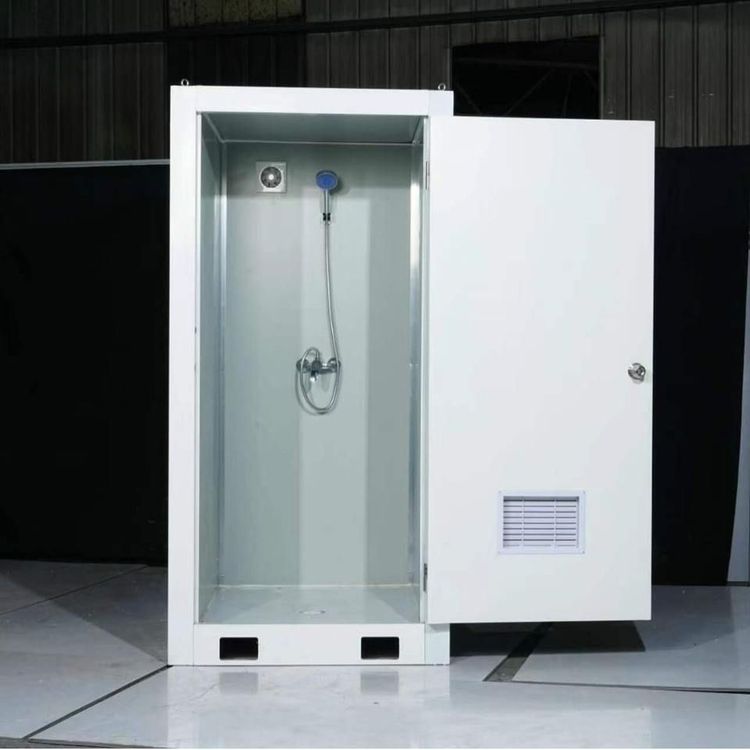
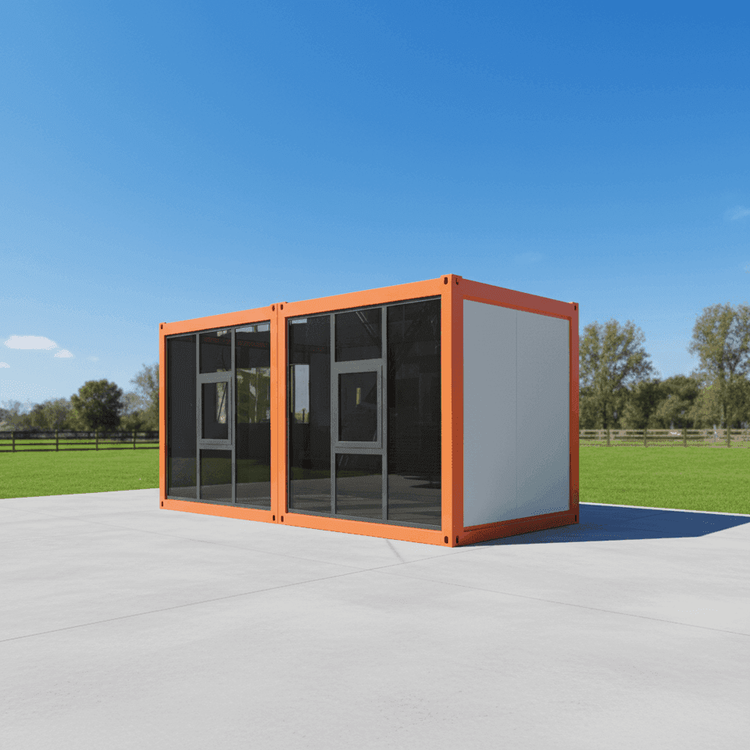
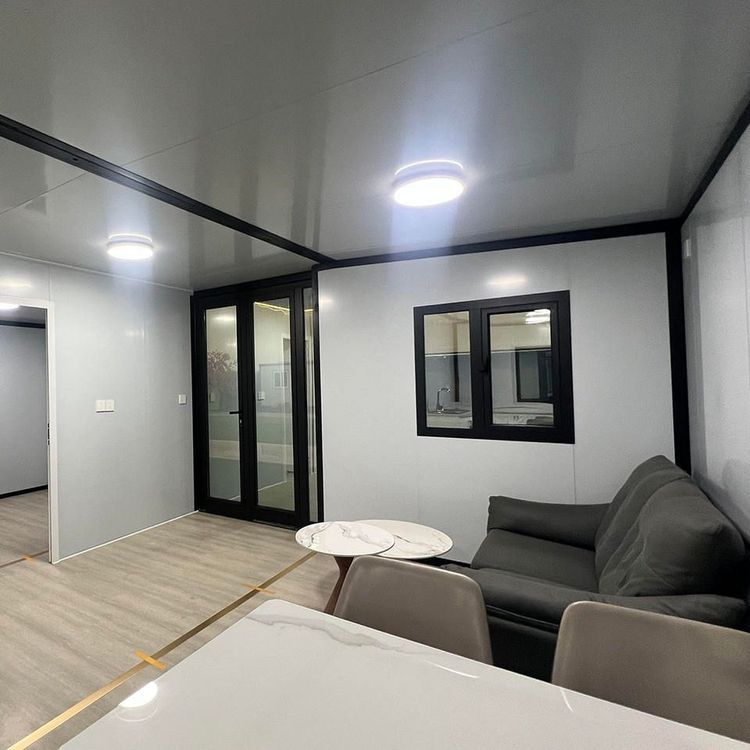
I. Basic Concepts and Design Features Mobile toilets are made from lightweight materials, facilitating easy transportation and installation. Despite their compact interior space, they are fully functional, equipped with toilets, sinks, and ventilation systems. Their design emphasizes modular structures, enabling rapid assembly and disassembly to suit temporary scenarios such as music festivals and camping trips. Young people prefer simple and efficient designs, so mobile toilets often incorporate energy-saving elements like solar lighting and rainwater collection systems to minimize environmental impact. Some models also use transparent materials or open layouts, balancing privacy with spatial openness.
II. Usage Scenarios and Demand Alignment Young people lead flexible lifestyles and frequently participate in outdoor activities, where fixed toilets may be insufficient or inconvenient. Mobile toilets can be strategically placed across large event sites to prevent long queues and congestion. In natural settings, their lightweight design reduces ecological disturbance. Additionally, young people have high standards for hygiene and privacy, which mobile toilets meet through independent space design and regular cleaning management. For example, the distribution density of mobile toilets at music festivals directly affects participant experience, making it a key consideration for event organizers.
III. Environmental Protection and Sustainability Innovations Environmental protection is a core concern for young people, and mobile toilets have made significant progress in this area. Biodegradable technology transforms waste into harmless substances or fertilizers, while low-flow flushing systems or dry treatment methods reduce water consumption. Some designs use recycled materials for the outer shell, lowering carbon footprints. For instance, certain models employ microbial decomposition technology, eliminating the need for flushing to handle waste, making them suitable for water-scarce environments. Solar-powered lighting systems further reduce reliance on traditional energy sources.
IV. Special Forms and Emergency Functions New energy brands have introduced in-vehicle toilets as an extension of mobile toilets. For example, the Ji Shi 01 model converts its central storage compartment into an in-vehicle toilet, using disposable plastic bags and deodorizing gels for emergency use. This design balances space utilization with hygiene needs, making it suitable for long-distance travel or remote areas. However, proper waste disposal regulations must be followed to prevent environmental pollution.