Back to blog
Article
Mobile Toilets for Tourist Areas
Admin October 10, 2026
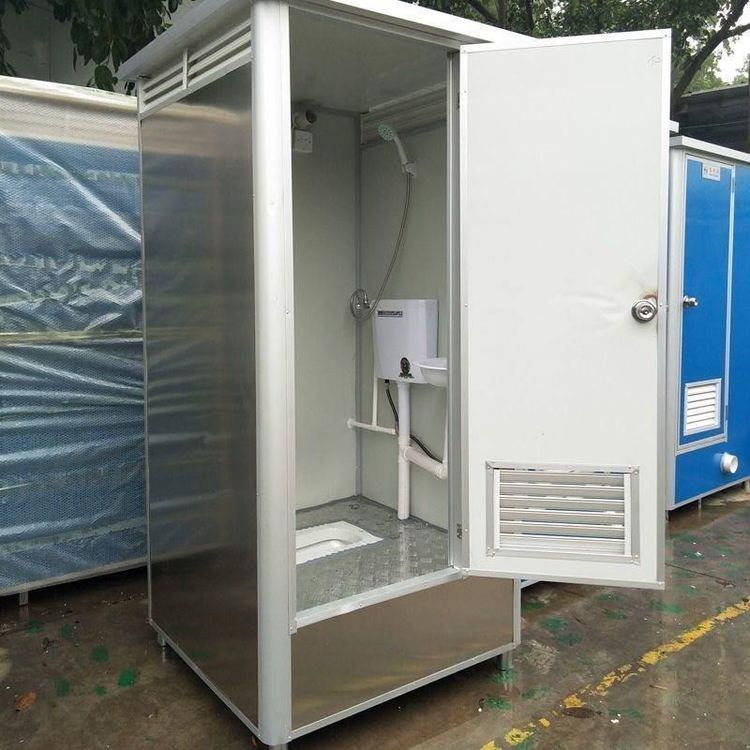
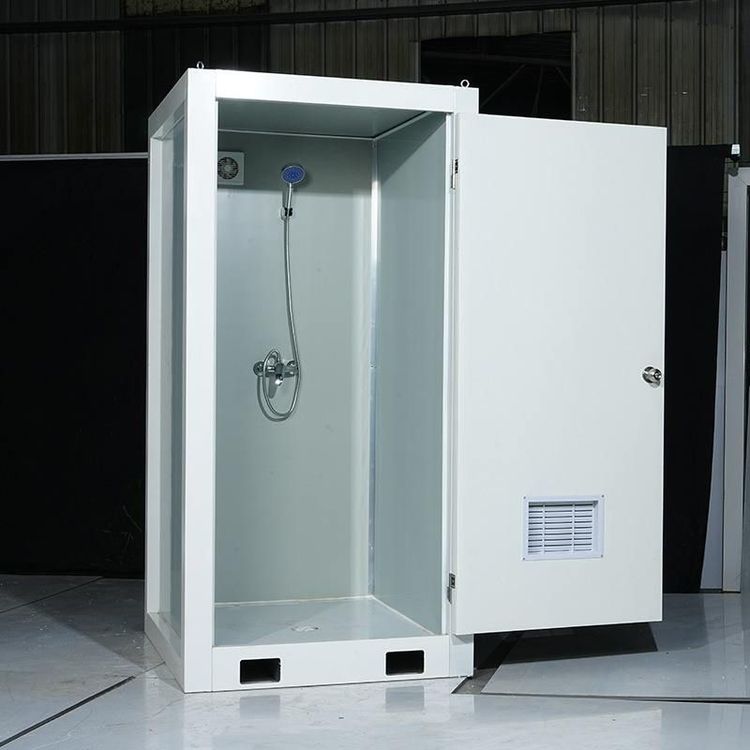
Mobile toilets are suitable for tourist areas, addressing the issues of insufficient public toilet numbers and unreasonable layouts. During the peak tourist season, they can be placed near viewing platforms to achieve a 'five-minute toilet access circle'. The following provides a detailed introduction from four aspects: applicable scenarios, type selection, design requirements, and customization services:
- Applicable Scenarios: Tourist areas often face a large number of tourists and concentrated toilet demands, especially during peak seasons when the shortage of public toilets and unreasonable layouts become more prominent. Mobile toilets can be flexibly placed in tourist-dense areas such as near viewing platforms, effectively solving the toilet problem for tourists, achieving a 'five-minute toilet access circle', and enhancing the tourist experience.
- Type Selection:
- Eco-friendly Mobile Toilets: There are multiple eco-friendly technology options available. The waterless flushing option does not require connection to water supply and drainage pipes, making it suitable for tourist areas with scarce water resources or difficult pipe access. The foam sealing and water flushing options achieve cleanliness through foam sealing and normal water flushing, respectively. The water flushing option requires connection to water supply and drainage pipes and incorporates technologies such as rainwater collection and filtration systems and secondary toilet flushing with handwashing water to achieve water conservation.
- 'Tidal Toilets': A micro-innovation management attempt launched to address the long queues of women waiting for toilets during major holidays. By setting up several 'gender-neutral toilets' and using movable signs or lockable sliding doors, usage permissions are dynamically adjusted according to real-time foot traffic. For example, after implementation in Qinghai's Heidushan Scenic Area, the waiting time for women during peak hours was reduced from over 30 minutes to less than 10 minutes.
- Design Requirements: The overall structure should be lightweight, durable, and sturdy, with controlled height and width, and complete and reasonable moving devices. The ratio of male to female squatting (sitting) positions should preferably be 1:1 or 3:2, and specific dimensions are defined for each squatting position, urinal station, spacing between independent urinals, walkway widths for single-row and double-row squatting positions with exterior doors, and walkway widths for squatting positions without doors. Public toilets should have at least one handwashing basin in both the male and female sections, with additional basins added as appropriate when the number of squatting (sitting) positions exceeds 10. Each squatting position should be equipped with a sturdy, corrosion-resistant hook, and clear Chinese signs must be placed at entrances and exits. The placement of mobile toilets should be obvious, easy to find, and facilitate the discharge of waste into the urban drainage system.
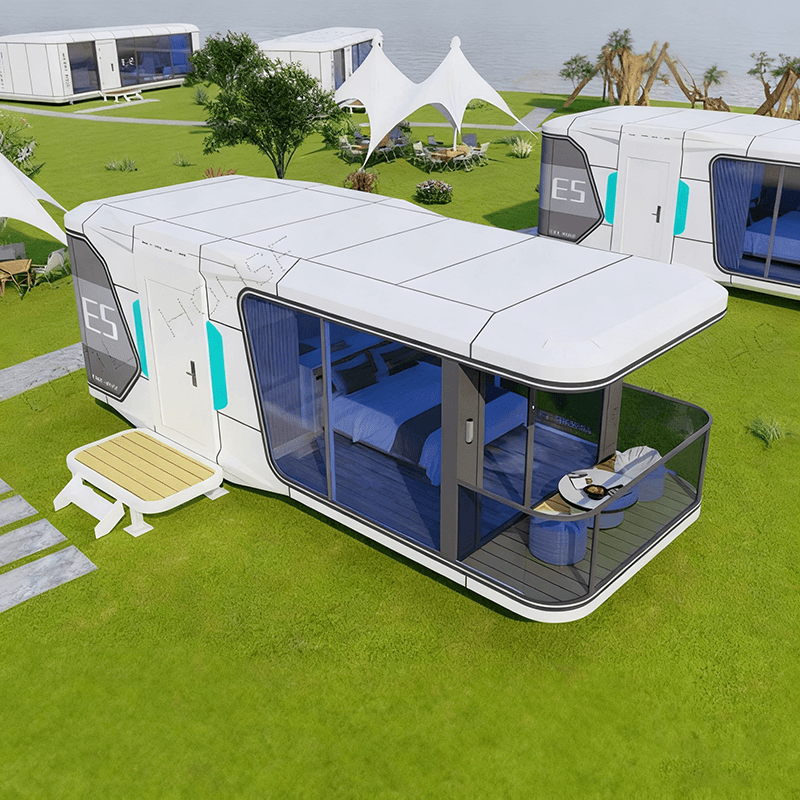
- Customization Services: Mobile toilets can be tailored to the characteristics and requirements of tourist areas, such as customizing apple-pod-shaped mobile toilets for a strawberry base to meet the personalized needs of tourist areas.