Mobile Toilets for the Winter Olympics
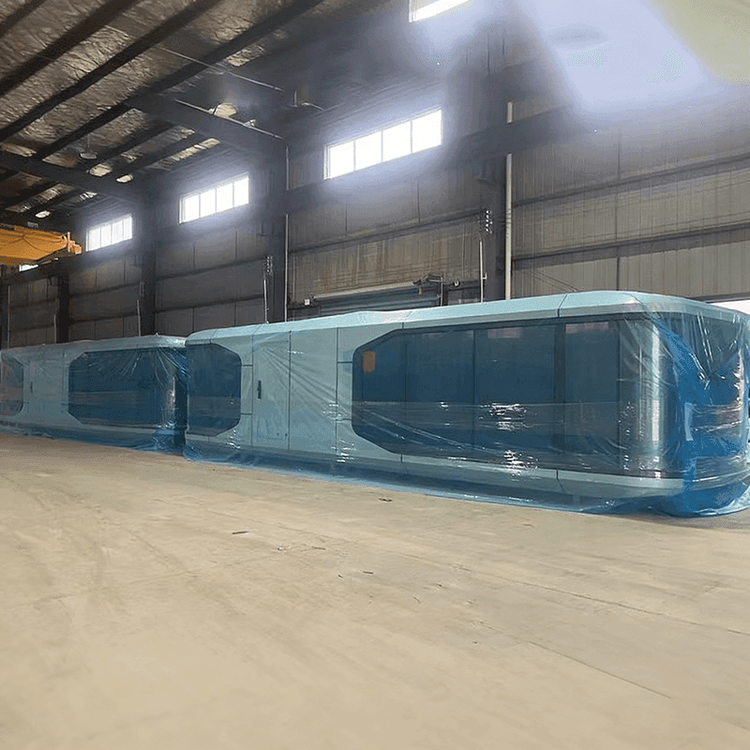
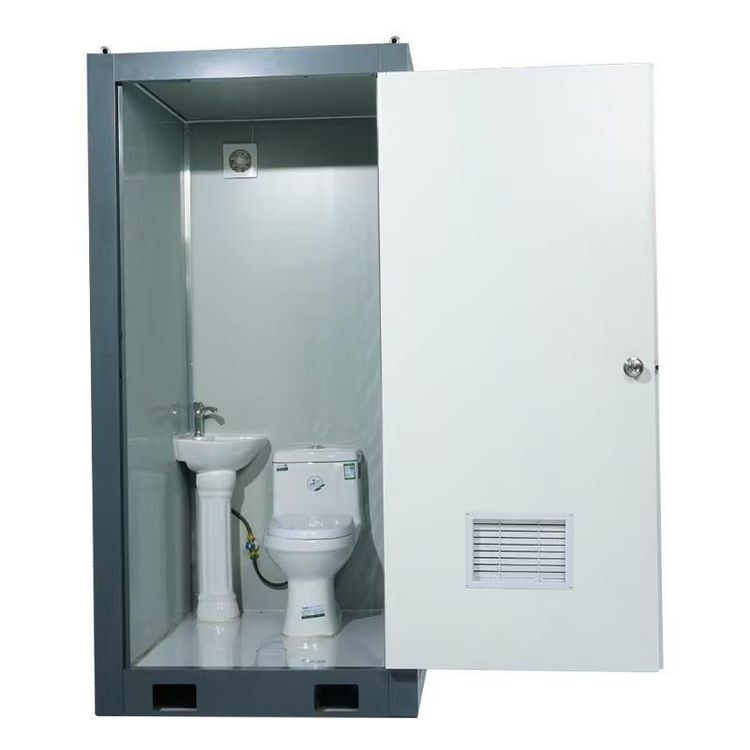
During the 2022 Beijing Winter Olympics, mobile toilets, centered around intelligent environmental protection and ecological technologies, became crucial facilities for ensuring the smooth operation of the event. They were mainly divided into two categories: intelligent environmentally friendly mobile public toilets and ecological public toilets.

Intelligent environmentally friendly mobile public toilets empower hygiene and environmental protection through technology. They feature a fully contactless design, integrating functions such as wave-activated door opening and closing, one-click deodorization, touchless hand washing, touchless soap dispensing, and touchless hand drying to reduce the risk of cross-infection. Their air filters are made of a new material that prevents the novel coronavirus, achieving a 97% sterilization rate. They are also equipped with nano-mist disinfection nozzles that automatically disinfect areas such as toilets, trash bins, and sewage pipes after each user leaves, ensuring 'one person, one disinfection'. In terms of water conservation, they achieve a 70% water-saving rate through air-water hand washing and powered sewage discharge technologies. Energy consumption is controlled using intelligent power management technology, aligning with the 'green Olympics' concept. During the Winter Olympics, 119 units were deployed, primarily at venues such as the Beijing Medal Plaza and the National Sliding Center in the Yanqing competition area.
Ecological public toilets are based on solid-liquid separation technology, using microbial decomposition to achieve harmless treatment of excreta without the need for flushing or excavating pipelines, making them suitable for cold and water-scarce environments. Their structures are made of steel-frame cement composites, providing excellent thermal insulation. Some models are equipped with intelligent temperature control systems that operate at temperatures exceeding 60℃, offering both sterilization and disinfection functions. This technology was used in 13 venues during the Winter Olympics, with the construction cost per toilet seat being 100,000 yuan lower than that of traditional water toilets. For example, the waterless and flush-free ecological toilets provided by Lanbiao Biotechnology were applied in alpine venues, where fecal waste was decomposed in situ by microorganisms, ensuring stable operation in extremely cold weather and providing comprehensive support for the event's needs throughout.
Both types of mobile toilets embody the 'technology + environmental protection' concept of the Winter Olympics: intelligent toilets enhance hygiene standards and resource efficiency through automation, while ecological toilets break through usage limitations in cold regions with their waterless design, jointly providing safe, convenient, and sustainable toilet solutions for the event.