Mobile Toilets for Engineering Sites
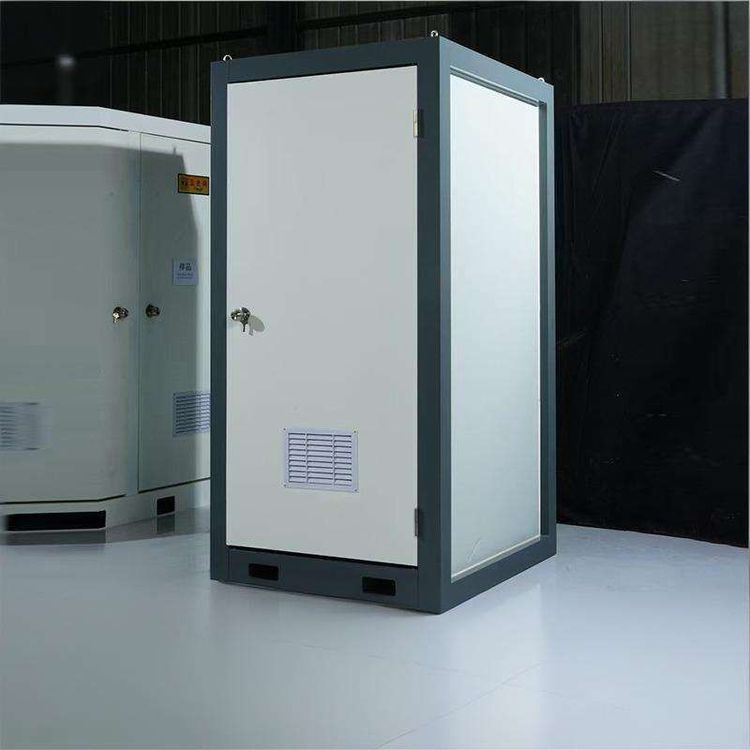
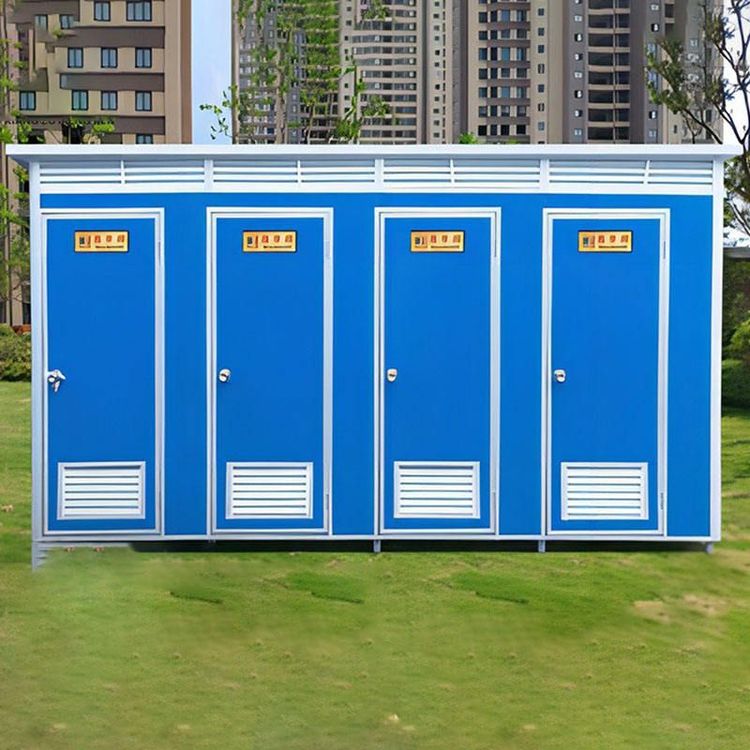
Mobile toilets for engineering sites come in various types and features, capable of meeting the needs of different engineering sites.

In terms of appearance and materials, the classic mobile toilet uses metal carved panels for its exterior and has a welded steel frame structure. This design makes it sturdy and durable for outdoor use, allowing for year-round operation. The central area is set up as a public hand-washing area, with fully equipped urinals and independent squat toilets in the restrooms, facilitating use by engineering site personnel. The 4 + 1 stepped mobile restroom also features an exterior wall made of heat-insulating and flame-retardant metal carved panels, with a titanium-magnesium alloy door installed on the side door. The restroom is equipped with a complete bathroom cabinet, while the interior walls of the toilet are made of bamboo-wood fiber panels, with anti-slip tiles at the bottom. It is fully equipped with exhaust fans, tissue boxes, and hooks, offering not only complete functionality but also a focus on user experience.
From a structural perspective, mobile toilets can be divided into single-unit mobile toilets and composite-structure mobile toilets. Single-unit mobile toilets are relatively independent, occupying less space, and are suitable for engineering sites with limited space. Composite-structure mobile toilets, on the other hand, are composed of multiple parts and may offer richer functionality to meet the needs of more personnel.
In terms of mobility, there are lifting and handling-type mobile toilets, which are easy to move and install quickly using lifting equipment, suitable for engineering sites where the location frequently changes. Power-driven and towed mobile toilets can be moved by power drive or towing, offering high flexibility.
Regarding sewage treatment methods, there are water-flush and waterless suction-type mobile toilets. Water-flush toilets are clean and hygienic but require a water connection. Waterless suction-type toilets do not require a water source and treat excrement through suction. Circular water-flush mobile toilets can recycle water, saving water resources. Dry-pack mobile toilets package excrement in a dry form for easy subsequent cleaning and transportation. Additionally, mobile toilets can be customized according to special needs to better adapt to the unique environments and requirements of different engineering sites.