Mobile Toilets
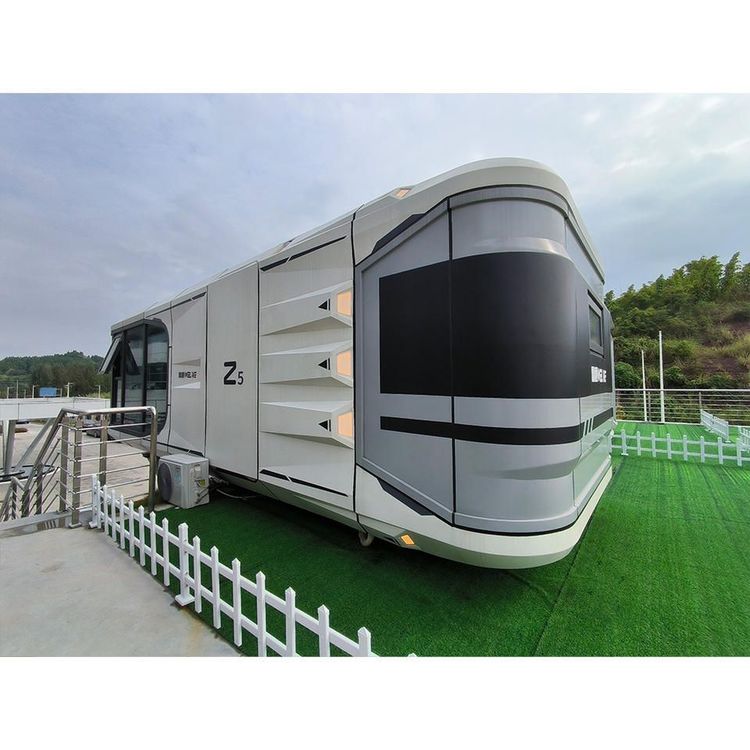
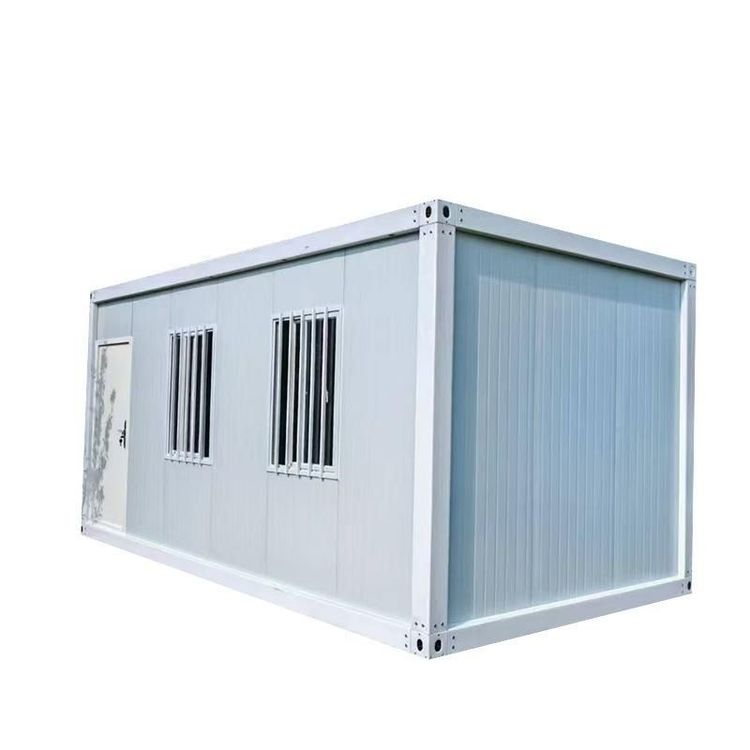
Mobile toilets, also known as portable toilets, are facilities that can be moved as a whole to provide public restroom services. Here is an introduction from multiple aspects:

Applicable Places: Mobile toilets are suitable for stations, docks, tourist attractions, villa areas, newly built residential communities, large construction sites, squares, densely populated public places, and bustling commercial streets. These places often have temporary or periodic demands for toilets, and mobile toilets can well meet these needs.
Composition and Structure: They are generally composed of fecal sewage storage tanks (or fecal sewage treatment devices), floor slabs, sanitary ware, walls, washing equipment, water tanks, roofs, and mobile devices. The cooperation of different components ensures the normal operation of mobile toilets.
Development History and Classification: Initially made of materials such as wood, they had simple structures and functions and were prone to absorbing odors. Later, they gradually evolved to use materials like fiberglass and polyethylene. According to structural forms, they can be divided into single-structure mobile toilets and composite-structure mobile toilets; according to mobility methods, they can be divided into hoisting and handling mobile toilets, powered and towed mobile toilets; according to sewage treatment methods, they can be divided into flush and non-flush suction mobile toilets, circulating flush mobile toilets, and dry-packing mobile toilets.
Characteristics and Advantages: They can be conveniently transported to any place where toilets need to be installed and can be used repeatedly. They have the advantages of mobility, combinability, and convenient transportation. They originated from the temporary demand for toilets in specific situations. The government installs them in areas where it is relatively difficult to build fixed public toilets, making up for the shortage of public toilet supply and unreasonable layout.
Design Principles: The design should follow the principles of mobility and convenience, economic durability; environmental protection and ecological friendliness; improving efficiency and promoting humanity. The overall structure should be lightweight, using lightweight and durable materials as much as possible. The structure should be sturdy, and the height and width of the toilet should be controlled. The mobile device should be complete and reasonable.
In addition, there are special cases such as creative transformation of plastic buckets into multi-functional mobile restrooms and building super-mini mobile public toilets with building blocks.