
Working Principle of Mobile Toilets
The working principles of mobile toilets vary depending on their types, mainly divided into flush-type, non-flush-type, and other types (such as recirculating flush-type and dry-packing-type), as detailed below:
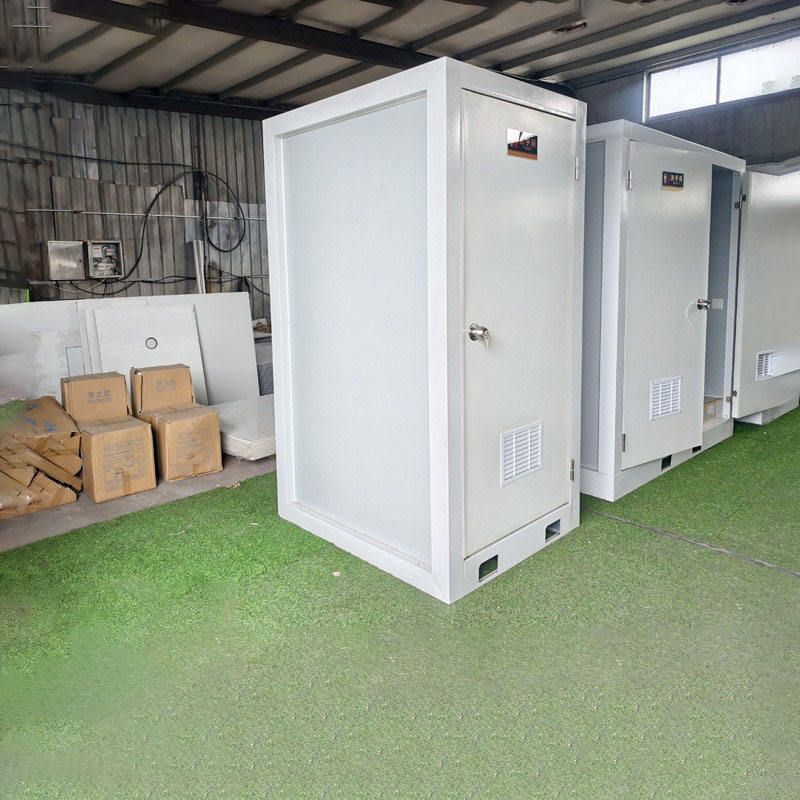
The working principle of flush-type mobile toilets is based on the logic of traditional flush toilets but achieves mobility through modular design. Their core structures include a hand-washing tank, a freshwater tank, and a sewage suction system. The hand-washing tank is usually located on the left side of the toilet, where users can directly fill it with water by turning on the valve for hand cleaning. The freshwater tank is located on the front right side, also filled with water by turning on the valve, serving as the flushing water source. When in use, users step on a pedal to trigger the water outlet mechanism, allowing freshwater to flow from the tank into the toilet bowl, flushing waste into the collection tank below. The sewage suction system uses negative pressure or gravity to quickly transfer waste from the toilet bowl to the collection tank, preventing residue and odors. The collection tank requires regular cleaning, and some high-end models are equipped with sewage extraction ports that can be connected to sewage suction trucks for rapid emptying.
The core technology of non-flush toilets involves replacing the flushing function with physical, biological, or chemical means to treat waste. Physical techniques typically use gravity separation or mechanical sealing, such as utilizing a sloped design to slide waste into a collection bag or isolating odors with a rotating valve. Biological techniques rely on microbial decomposition, such as adding specific bacteria strains to the collection tank to convert organic matter into harmless substances, reducing volume and odors. Chemical techniques involve adding disinfectants or coagulants to solidify and sterilize waste, such as using superabsorbent polymers to absorb liquids and form solid blocks for easy cleaning. These toilets do not require connection to a water source or sewage pipeline, making them suitable for water-scarce areas or locations without a sewer system.
Other types of mobile toilets include recirculating flush-type and dry-packing-type. Recirculating flush-type toilets purify wastewater through filtration and disinfection systems to achieve water reuse, such as storing treated wastewater back into the freshwater tank after sedimentation, filtration, and sterilization. Dry-packing-type toilets use biodegradable plastic bags to collect waste, which users seal and replace with new bags after use, requiring no water throughout the process.
You may also like

Portable Toilet Rental for Construction Sites: What to Consider
Read More
Portable Toilet Rental Price Guide: Budget, Mid-Range & Premium
Read More
Portable Toilet Color Steel: A Practical Buyer's Guide
Read More