
Science Popularization of Mobile Toilet Working Principles
The working principles of mobile toilets vary depending on their types. Here is a popular science introduction to the working principles of several common types:
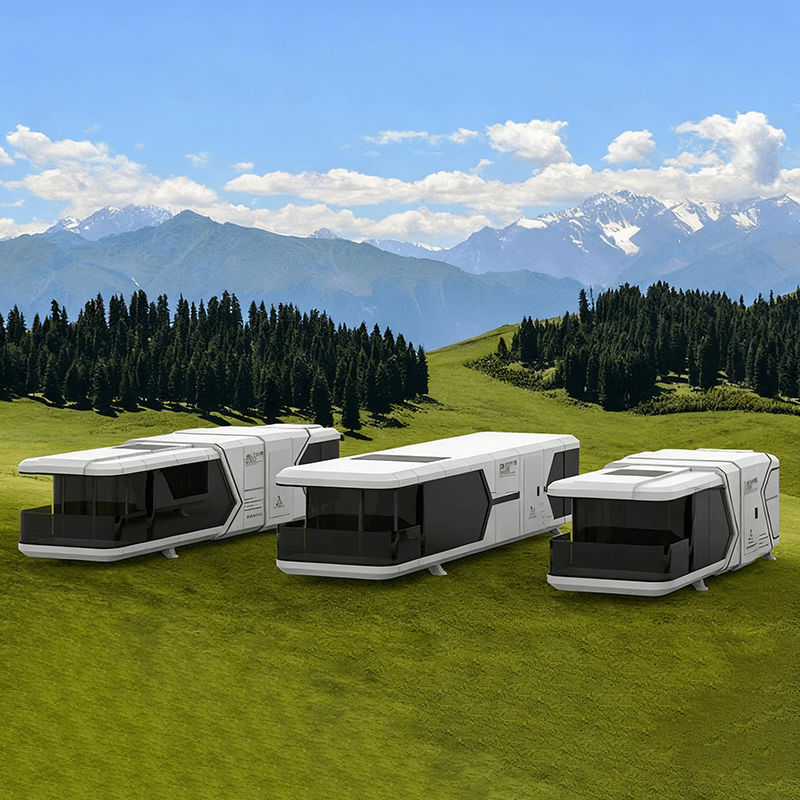
Packing-type mobile toilets: Their core lies in the combination of mechanical sealing and biodegradation technology. After a user uses the toilet, a packing process is initiated by stepping on a pedal or through an automatic sensing device. The excreta, along with a degradable film laid at the bottom, are sealed into an independent plastic bag. This process effectively blocks the spread of odors and the growth of bacteria. Microbial communities within the sealed bag can decompose organic matter within a certain period, converting the excreta into relatively stable substances and reducing the difficulty of subsequent treatment. This design is both environmentally friendly and hygienic, suitable for various scenarios.
Recirculating water-flush mobile toilets: This type of toilet is equipped with a sewage treatment device that intermittently treats feces through aerobic and anaerobic processes. By adding biological strains and utilizing biofilm technology, the decomposition process of feces is accelerated. The treated water can be recirculated for flushing the toilet, achieving efficient utilization of water resources. This design is particularly suitable for places with scarce water resources or those requiring long-term use, such as large event venues and construction sites.
Dry packing-type mobile toilets: Similar to packing-type toilets, but with a greater emphasis on the design without a water-flushing device. The excreta are collected by degradable plastic bags, which are automatically replaced and collected for centralized treatment after use. This design is suitable for areas without fixed sewage pipelines, such as remote regions and temporary event venues. It avoids the dependence of traditional toilets on water sources and sewage systems, offering high flexibility and convenience.
Intelligent water-saving mobile toilets: These toilets achieve efficient water saving by automatically collecting urine and hand-washing water and adding water-saving special agents. Some models also employ pneumatic assistance and water circulation technology to further optimize water-saving performance. Such toilets require only about 0.46 liters of water per use to flush clean, significantly reducing water consumption.
Microbial degradation mobile toilets: These toilets utilize specific microbial communities to decompose organic matter, converting it into harmless compounds. This process reduces the negative impact of excreta on the environment while lowering treatment costs.
Vacuum collection mobile toilets: These toilets transport waste through negative pressure pipelines, reducing water consumption. The treatment terminal can be connected to municipal sewage networks or equipped with storage containers for subsequent treatment. This design is particularly suitable for places with high hygiene requirements, such as hospitals and airports.



