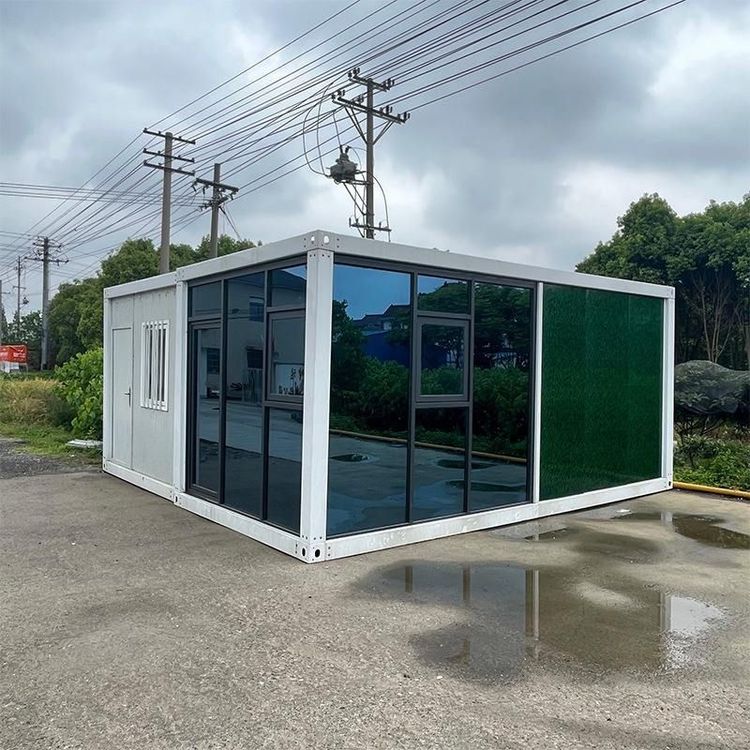
Experience in Mobile Toilet Work
Mobile toilet work requires the integration of environmental protection technologies, intelligent management, user experience optimization, and team collaboration to enhance service quality in cultural and tourism settings.

I. Environmental Protection and Intelligent Technology Applications Are Core
In cultural and tourism settings, the environmental performance of mobile toilets directly affects visitor experience and ecological protection. The adoption of waterless biological degradation systems (such as 5G smart carbon-neutral public toilets) can achieve the “three nos” goals: no water flushing reduces water consumption, no odor through microbial decomposition technology to suppress odors, and no pollution to avoid traditional toilet contamination of soil and water bodies. Additionally, intelligent technology is key to improving management efficiency. Through the Internet of Things (IoT), remote monitoring of equipment status (such as toilet occupancy and consumable levels) can be achieved, combined with AI data analysis platforms to collect user behavior data (such as peak usage times and facility failure rates), providing a basis for optimizing operational decisions. For example, adjusting cleaning frequencies or adding temporary toilets based on data analysis results can effectively respond to demand fluctuations during peak tourist seasons.
II. Daily Maintenance and Detail Management Must Be Strictly Implemented
In personal work, cleaning and maintenance are fundamental tasks. Following a regular cleaning schedule, focus on cleaning toilets, floors, sinks, and other areas, regularly replacing consumables such as toilet paper and hand soap to ensure hygiene standards are met. At the same time, proactively learn equipment maintenance skills, such as identifying operational abnormalities in biological degradation systems (e.g., decreased microbial activity) and checking the connection status of IoT sensors, promptly reporting faults and participating in repairs to reduce equipment downtime. In detail management, intelligent sensing devices can automatically adjust lighting, temperature, and humidity parameters to create a comfortable environment; before peak tourist seasons, assess facility capacity in advance to avoid damage from overuse.
III. Team Collaboration and User Feedback Drive Service Upgrades
Mobile toilet management requires cross-departmental collaboration. For example, working with the cleaning department to maintain the cleanliness of the surrounding environment and cooperating with the technical department to upgrade intelligent systems. Additionally, maintaining a meticulous and conscientious attitude and improving efficiency through optimized workflows (such as divided cleaning tasks and staggered maintenance) is essential. Actively listening to user needs (such as adding accessible facilities and optimizing signage) and improving services can significantly enhance visitor satisfaction.
In summary, mobile toilet work must be supported by environmental protection technologies, use intelligent management as a means, and achieve a dual improvement in user experience and operational efficiency through meticulous maintenance and team collaboration.