
Mobile Toilet Without Walls
Not all mobile toilets have walls, but there are indeed some specially designed mobile toilets that lack traditional walls. Here is a detailed explanation of this issue:
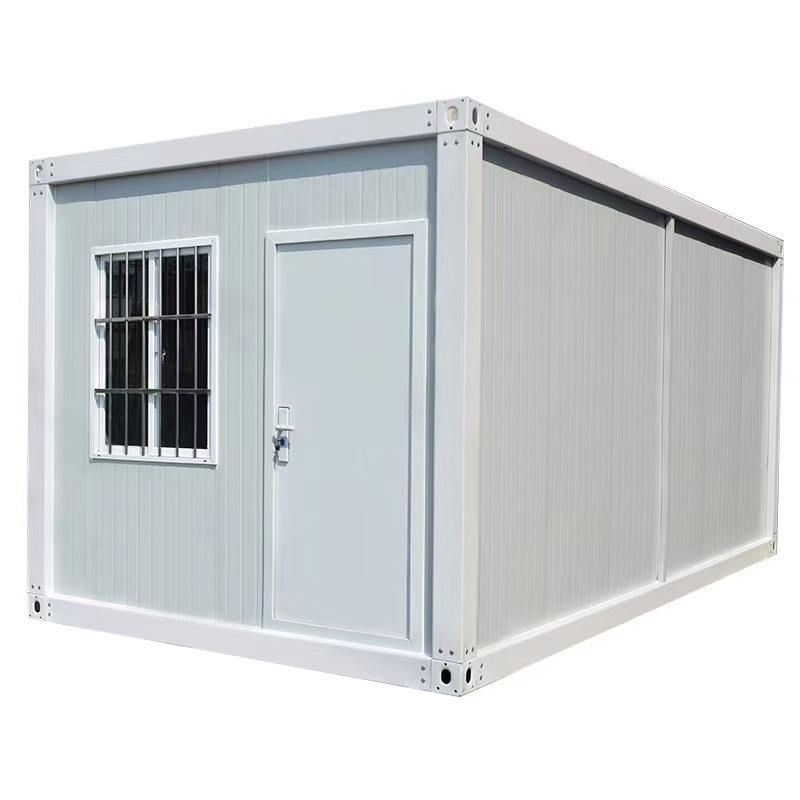
I. Wall Composition of Conventional Mobile Toilets
Mobile toilets typically use steel welding to form a frame structure, on which wall materials are installed. Common wall materials include color-coated steel plates, fiberglass-reinforced plastics, stainless steel, and metal carved panels. These materials are durable, easy to clean, and corrosion-resistant, meeting the basic usage requirements of mobile toilets.
II. Special Designs of Wall-less Mobile Toilets
- Glass Wall Design: Some mobile toilets use glass as the wall material. This design makes the restroom appear more transparent and bright, enhancing the overall sense of space. At the same time, glass walls can effectively isolate moisture, keeping the restroom dry and improving user comfort.
- Open or Semi-open Structures: In certain scenarios, such as outdoor events or temporary exhibitions, mobile toilets may adopt open or semi-open structures, with simple partitions made of fences or screens. Although lacking traditional walls, these designs can still meet basic restroom needs through reasonable layout and functional zoning.
III. Alternative Treatments for Wall-less Mobile Toilets
For restrooms without walls (including possible wall-less mobile toilets), other treatments can be adopted to meet usage needs and decorative effects. For example, tiles can be applied to the floor and walls (if present) for both aesthetics and ease of cleaning; or waterproof paint can be sprayed to prevent moisture penetration and protect structural safety. These treatments can compensate to some extent for the deficiencies of wall-less designs and enhance the overall quality of mobile toilets.



