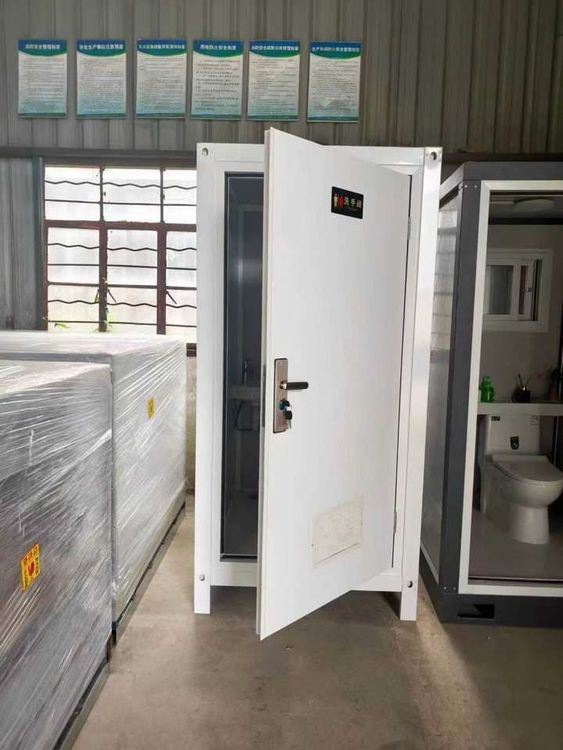
Mobile Toilets Without Septic Tanks
Not all mobile toilets are without septic tanks; the need depends on their type and design. Here is a detailed classification:

1. Types of mobile toilets without septic tanks
- Mobile dry toilets: These toilets do not require water, electricity, or a septic tank. They collect waste directly in an onboard waste container. Their design allows for immediate use upon placement, making them suitable for temporary scenarios without infrastructure, such as field operations or disaster relief.
- Temporary public toilets/vehicle-mounted toilets: These use movable waste storage tanks or biodegradable devices instead of fixed septic tanks. Waste is collected through pipes into the storage tanks and regularly transported by specialized vehicles to treatment stations, avoiding the need for on-site septic tank construction.
- Waterless flush mobile toilets: These use biodegradable plastic bags to directly package waste, eliminating the need for septic tanks or storage tanks. After use, the plastic bag automatically seals and falls into a storage box, which can be replaced periodically. These are commonly found in tourist attractions or large events.
- Mobile eco-friendly toilets: These operate without sewers by using technologies such as microbial decomposition and foam sealing, enabling low-cost waste treatment without septic tanks, suitable for ecologically sensitive areas.
2. Types of mobile toilets requiring septic tanks
Some mobile toilets come with built-in fixed septic tanks and complete sanitary facilities (such as foot-operated squat toilets and handwashing basins). Their septic tanks consist of a fecal storage tank, fecal inlet, and exhaust system, treating waste through natural sedimentation and microbial decomposition. These toilets are suitable for long-term use but require regular cleaning of the septic tank to prevent blockages or odors.
3. Key influencing factors
- Usage scenario: For temporary events, septic tank-free types are preferred to reduce costs; long-term fixed locations may require toilets with septic tanks to meet sanitary needs.
- Environmental requirements: Waterless flush or biodegradable technologies better meet ecological protection standards, while traditional septic tanks require supporting waste removal services.
- Cost considerations: Septic tank-free toilets have lower initial investments but require frequent replacement of waste bags or removal; toilets with septic tanks have higher maintenance costs but are suitable for high-frequency use scenarios.
In conclusion, whether a mobile toilet requires a septic tank depends on its specific type, usage scenario, and environmental requirements, and cannot be generalized.