Mobile Toilet with Water Flushing
A mobile toilet with water flushing is a public sanitation facility that can be moved as a whole and placed at fixed or temporary locations. It is suitable for places such as stations, docks, and tourist attractions. Its core feature is cleaning excrement through water flushing and having the functions of flexible movement and environmentally friendly treatment.

I. Basic Classification and Working Principle
According to the sewage treatment method, mobile toilets are divided into water-flushing types, non-water-flushing suction types, circulating water-flushing types, and dry-packing types. The water-flushing type is a common type. It uses a flush tank or an intelligent water-saving system to directly flush excrement with clean water, and the sewage is discharged into a storage tank or disposal device. The circulating water-flushing type is further optimized. It is equipped with intermittent aerobic and anaerobic treatment devices, adds biological strains, and uses biofilm technology to accelerate the decomposition of fecal sewage. The treated water can be recycled for flushing, significantly reducing water consumption.
II. Structural Composition and Functional Configuration
A mobile toilet with water flushing usually consists of the following parts:
- Core treatment system: It includes a fecal sewage storage tank (or disposal device) and a flush tank (or intelligent water-saving device). The circulating water-flushing type is also equipped with a biological treatment module to achieve sewage purification and recycling.
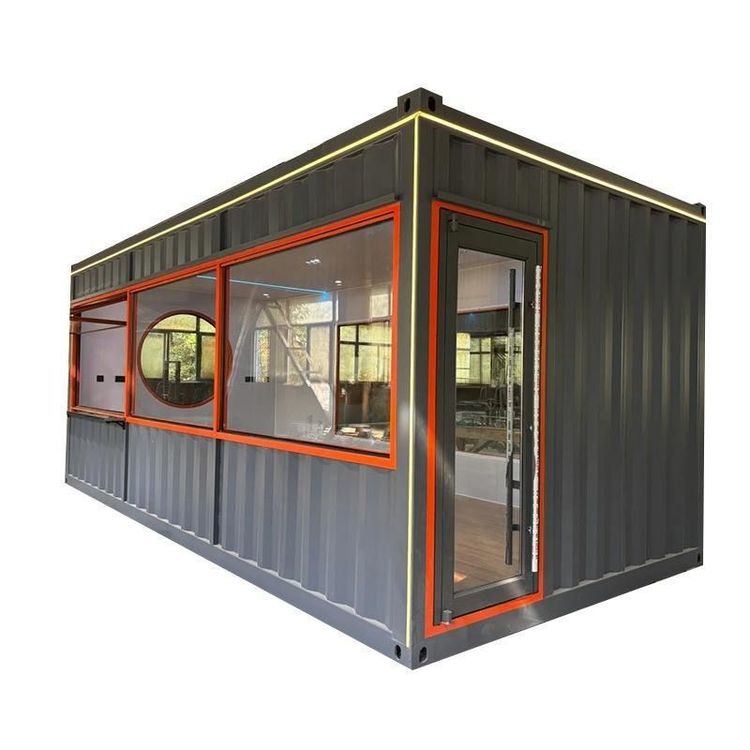
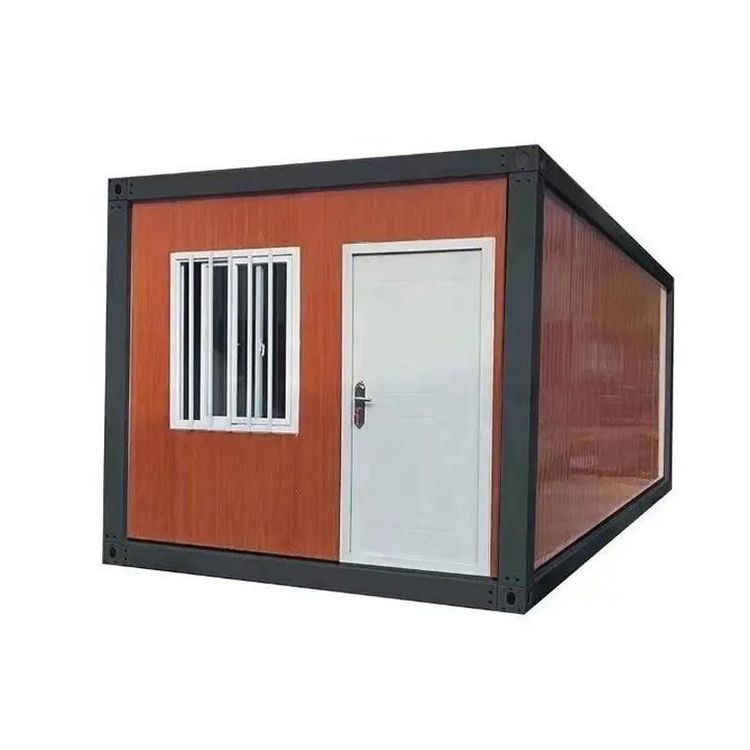
- Basic structure: The floor, walls, and roof are welded with national standard light steel keels to meet the requirements of overall hoisting. The exterior wall materials can be selected according to the environment, such as color steel plates, metal carved plates, and anti-corrosion wood, taking into account both durability and aesthetics.
- Sanitation facilities: The standard configuration includes a toilet bowl (urinal), clothes hooks, a dressing mirror, a paper basket, lighting lamps, an exhaust fan, a door lock, and an occupancy indicator light. Some intelligent types are also equipped with automatic induction flushing devices and hand-washing water recycling devices.
III. Technical Advantages and Application Scenarios
- Water-saving and environmentally friendly: The traditional water-flushing type consumes about 3-6 liters of water per flush, while the intelligent water-saving type only requires about 0.46 liters of water per person to achieve a good flushing effect by recycling urine and hand-washing water and adding special agents, greatly reducing water consumption.
- Flexible deployment: Its overall movable design makes it suitable for public sanitation needs in temporary events (such as exhibitions and music festivals), remote areas (such as scenic spots and construction sites), or fixed locations (such as stations and docks).
- Treatment efficiency: The circulating water-flushing type achieves sewage self-purification through biological technology, reducing external pollution and meeting environmental protection requirements. It is especially suitable for areas with scarce water resources or limited sewage discharge conditions.
IV. Selection and Maintenance Suggestions
When selecting, it is necessary to consider the passenger flow, water supply conditions, and environmental protection requirements of the application scenario: For high-traffic areas, it is recommended to choose the circulating water-flushing type to save water; for temporary events, lightweight water-flushing toilets can be preferred for quick deployment and withdrawal. Daily maintenance requires regular cleaning of the storage tank, inspection of the flushing system and biological treatment device (if applicable) to ensure the normal operation of the equipment and hygiene standards.