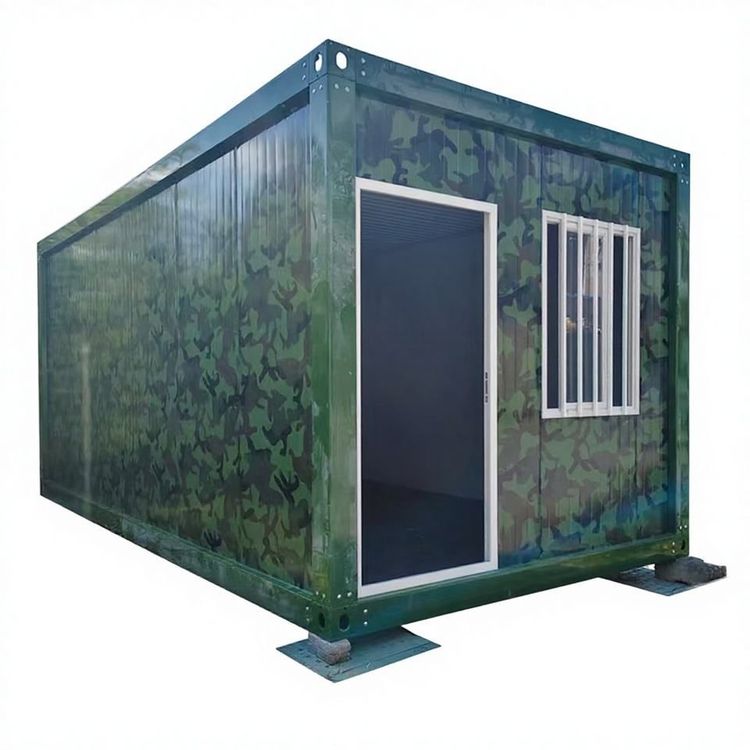
Mobile Toilet with Urinal Addition
The function of adding a urinal to a mobile toilet can be achieved through modular design, vehicle-mounted dedicated configurations, or portable equipment, with the specific solution depending on the usage scenario and requirements.

1. Modular Design of Combined Mobile Toilets
Combined mobile toilets employ modular assembly technology, allowing for flexible increases in the number of toilet stalls and functional partitions based on demand. For example, an independent urinal module can be added alongside basic squatting or sitting toilet modules, creating a mixed layout of "squatting stalls + urinals." This design is commonly seen at large events or temporary construction sites, meeting the needs of different genders and improving usage efficiency through zoned management. The advantage of modular assembly lies in its strong scalability, with the urinal sharing the water and electricity systems of the main toilet, reducing maintenance costs.
2. Dedicated Urinal Configuration in Vehicle-Mounted Mobile Toilets
Some vehicle-mounted mobile toilets are designed with independent urinal areas for male users. For instance, the vehicle-mounted toilets used during the Kunming Dianchi Seagull Watching Season feature three squatting stalls and three independent urinals in the men's section, with spatial separation for functional zoning. This design is typically integrated into modified vehicles, equipped with independent sewage pipes and ventilation systems to ensure hygiene. The advantage of vehicle-mounted dedicated urinals lies in their strong mobility, suitable for mobile scenarios such as tourist attractions and transportation hubs, with independent design reducing odor crossover.
3. Emergency Supplementary Solutions with Portable Urinals
In temporary emergency situations or when resources are limited, portable urinals can serve as a supplement to mobile toilets. Common types include:
- Vehicle-mounted emergency urine bags: Encapsulated with absorbent materials, foldable for storage, suitable for use in vehicles or confined spaces;
- Standing urinals: Made of lightweight plastic, paired with disposable collection bags, suitable for outdoor activities or post-disaster relief;
- Temporary diversion devices: Connected to the sewage outlet of mobile toilets via pipes for separate urine collection. The advantage of portable equipment lies in its low cost and rapid deployment, but regular cleaning of collection containers is required to prevent environmental pollution.
Summary
The implementation of adding a urinal function to mobile toilets requires comprehensive consideration of scenario scale, usage frequency, and budget. Modular design is suitable for long-term fixed locations, vehicle-mounted dedicated configurations meet mobile demands, and portable equipment serves as an emergency supplement. When selecting, ensure compatibility of the sewage system and conduct regular maintenance to ensure hygiene.