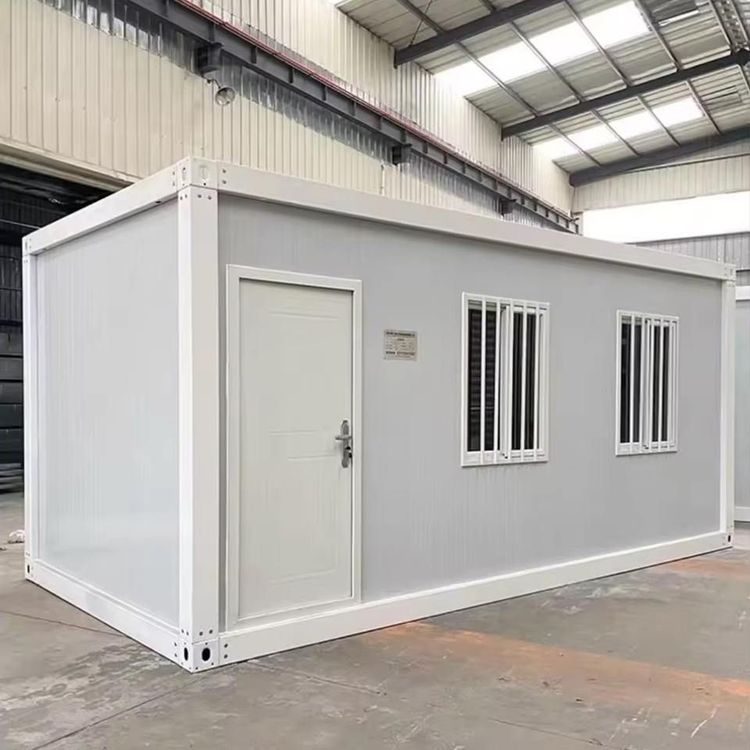
Principle of Mobile Toilet with Septic Tank
The principle of a mobile toilet with a septic tank primarily relies on the dual effects of biodegradation and physical sedimentation, achieving harmless treatment and reduction of feces through microbial decomposition or anaerobic fermentation technology.

Microbial Decomposition Mode
This mode involves adding efficient composite microbial communities to the septic tank, utilizing the enzymes secreted by these communities to accelerate the decomposition of organic macromolecules in feces (such as proteins, fats, and carbohydrates). These substances are converted into carbon dioxide, water, and inorganic salts, significantly reducing fecal volume and eliminating odors. This process belongs to aerobic or facultative anaerobic biological treatment, requiring the maintenance of appropriate temperature, pH, and oxygen supply. For example, a ventilation system continuously supplies oxygen to the tank, activating the metabolic activity of aerobic bacteria and accelerating decomposition efficiency. The advantages of microbial decomposition include fast processing speed, thorough harmless treatment, and the direct discharge or use of products for composting.
Traditional Anaerobic Fermentation and Sedimentation Separation
After feces enter the septic tank, they form a stratified structure through gravity: a high-density sludge layer at the bottom, a scum layer (light substances like grease) at the top, and relatively clear wastewater in the middle. In an oxygen-deficient environment, anaerobic bacteria decompose organic matter in the sludge, producing biogas and further stabilizing the material. To prevent blockages and odor diffusion, modern designs are equipped with odor-proof floor drains, water seals, and forced ventilation systems. The ventilation system directs biogas through pipes for high-altitude discharge or purification through activated carbon adsorption before discharge, ensuring environmental safety.
Supplementary Auxiliary Technologies
Some high-end mobile toilets incorporate vacuum suction or packaging treatment technologies:
- Vacuum Suction Technology: Utilizes negative pressure to rapidly suck feces into a sealed storage tank, preventing drips and odor leakage, suitable for high-traffic scenarios.
- Packaging Treatment Technology: Uses biodegradable films to individually wrap excreta, facilitating centralized transportation and resource-based treatment afterward, reducing the risk of secondary pollution.
These technologies further enhance the hygiene and environmental friendliness of mobile toilets through physical isolation or rapid transfer of feces, especially suitable for temporary venues without sewer systems or ecologically sensitive areas.