
Mobile Toilet with Septic Tank and Insulation
There are mobile toilets equipped with septic tanks and insulation features. Their insulation design is mainly achieved through materials, structures, and additional functions, as detailed below:
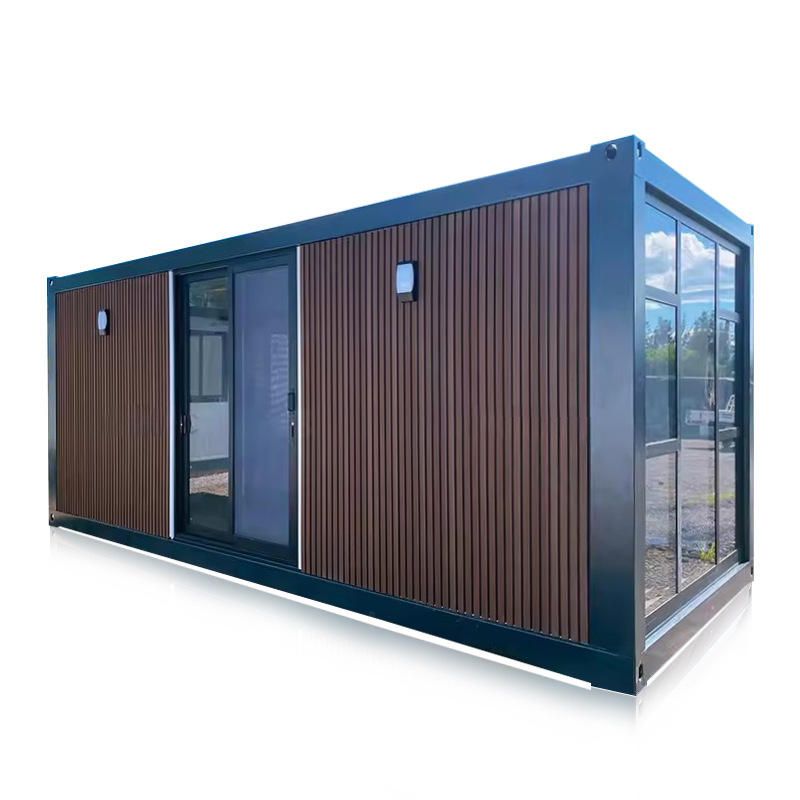
1. Material Selection for Enhanced Basic Insulation Performance
Fiberglass-reinforced plastic (FRP) mobile toilets (such as Jinda outdoor single-pit/double-pit dry toilets) have a temperature range of -15℃ to 45℃. They are inherently corrosion-resistant and aging-resistant, with a low thermal conductivity that reduces heat transfer to some extent, providing basic insulation. The combination of color-coated steel plates and foam sandwich layers is more common, with 5mm-thick foam material serving as the core insulation layer, reducing heat loss by blocking air convection, especially suitable for winter or low-temperature environments, such as winter use scenarios in northern rural areas.
2. Structural Optimization for Enhanced Thermal Insulation
Mobile insulated toilets feature a gable roof design that utilizes sloped surfaces to reduce snow accumulation while increasing the contact area between the roof and walls, enhancing overall stability. The 8-centimeter structural thickness further extends the heat conduction path, and when combined with built-in sound-absorbing cotton (such as polyester fiber cotton), it not only absorbs sound waves to reduce noise but also forms an additional thermal insulation barrier through the air layers between fibers. This composite structure reduces temperature fluctuations inside the toilet by approximately 30%, significantly improving user comfort.
3. Functional Configuration Balancing Practicality and Comfort
An independent water tank design stores warm water, preventing pipeline freezing in low temperatures and reducing heat waste through a circulation system. Ventilation openings feature anti-backflow structures to ensure air circulation while preventing cold air from directly entering. Some high-end models are also equipped with electric heating devices (such as carbon fiber heating tubes) that maintain internal temperatures between 10℃ and 25℃ through intelligent temperature control systems, meeting usage needs in extreme weather conditions.
4. Application Scenarios and Selection Recommendations
- Northern Cold Regions: Prioritize color-coated steel plate + foam sandwich structures with electric heating functions to ensure normal use in winter.
- Southern Humid Regions: FRP materials are more corrosion-resistant and, when combined with ventilation openings, effectively prevent moisture buildup.
- Temporary Event Scenarios: Lightweight gable roof models facilitate rapid deployment, with an 8-centimeter structural thickness balancing insulation and portability.
It should be noted that insulation performance is positively correlated with cost. Users should make comprehensive choices based on actual usage frequency, ambient temperature, and budget.



