Mobile Toilet with Septic Tank
A mobile toilet with a septic tank is a portable sanitation facility that integrates a septic tank system. It treats waste through anaerobic decomposition, making it suitable for temporary or remote settings. It offers flexibility and environmental friendliness but requires regular maintenance to avoid odors or leaks.

Core Functions and Working Principles
The septic tank in a mobile toilet is a sealed container where waste enters and undergoes anaerobic bacterial decomposition of organic matter. This process generates biogas (safely vented through a ventilation system) and sediment (retained at the bottom of the tank). Its design eliminates the need for connection to external sewage pipes, relying on an internal system for preliminary treatment, significantly reducing the risk of soil and water contamination. For example, such facilities can be rapidly deployed in scenarios like construction sites or outdoor music festivals to address temporary sanitation needs.
Material and Structural Diversity
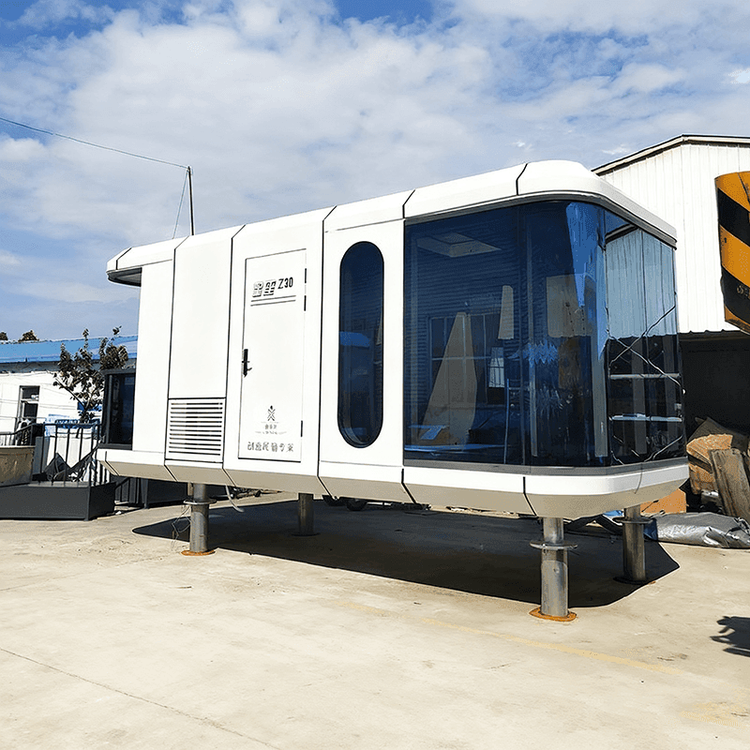
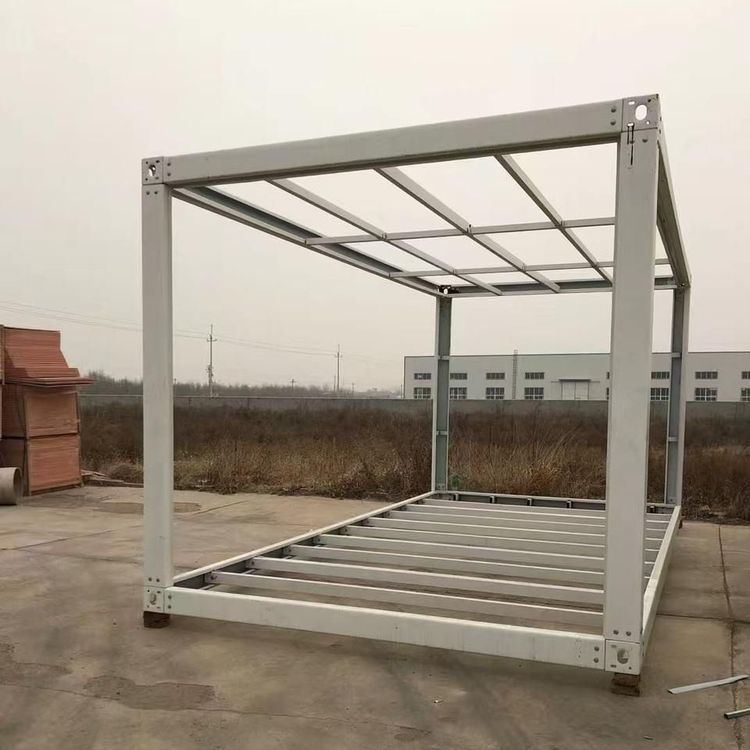
Products are made from materials such as fiberglass-reinforced plastic (FRP) and concrete, with structural forms including integral winding, buried, and assembled types. FRP is lightweight and corrosion-resistant, suitable for frequently moved scenarios; concrete is structurally stable but heavier, often used for fixed installations. Buried designs can conceal the septic tank, reducing space occupation; assembled types facilitate separate transportation, adapting to complex terrains. Users can choose customized solutions based on usage duration, site conditions, and budget, with brands like Qinglan Zhiyue, Jinda, and Ruiyao Environmental Protection offering diverse options.
Application Scenarios and Advantages
Its core advantages lie in independence and environmental friendliness. It does not rely on municipal sewage systems and can quickly respond to temporary needs in remote settings such as disaster relief and wilderness exploration. Meanwhile, the sealed design of the septic tank reduces odor diffusion and pathogen transmission risks, complying with public health standards. For example, in rural areas without sewers, buried mobile toilets can achieve long-term use through regular sediment removal, balancing convenience and ecological protection.
Maintenance Points and Potential Issues
If not properly maintained, the septic tank may experience reduced decomposition efficiency due to decreased anaerobic bacterial activity, leading to odors or blockages. Regular maintenance is crucial: ventilation systems should be checked and sediment cleared every 1-3 months (frequency depending on usage intensity), and biological agents should be used to promote decomposition. Additionally, avoid pouring debris (such as toilet paper and plastic bags) to prevent pipe blockages. Choosing high-quality products (such as FRP septic tanks with anti-leakage designs) can significantly reduce leakage risks.
Summary
Mobile toilets with septic tanks balance temporary sanitation needs and environmental protection through modular design and biological treatment technology, representing an important innovation in modern temporary facilities. Their successful application depends on scientific selection (materials, structure) and standardized maintenance. Users need to weigh flexibility, cost, and long-term benefits based on actual scenarios.