
Mobile Toilet with Fecal Tank
A mobile toilet with a fecal tank is an environmentally friendly sanitation facility that does not require external water, electricity, or a septic tank, suitable for various fixed or temporary locations. The following provides an explanation from five aspects: core features, structural types, sewage treatment methods, usage scenarios, and advantages.
Material and Internal Configuration
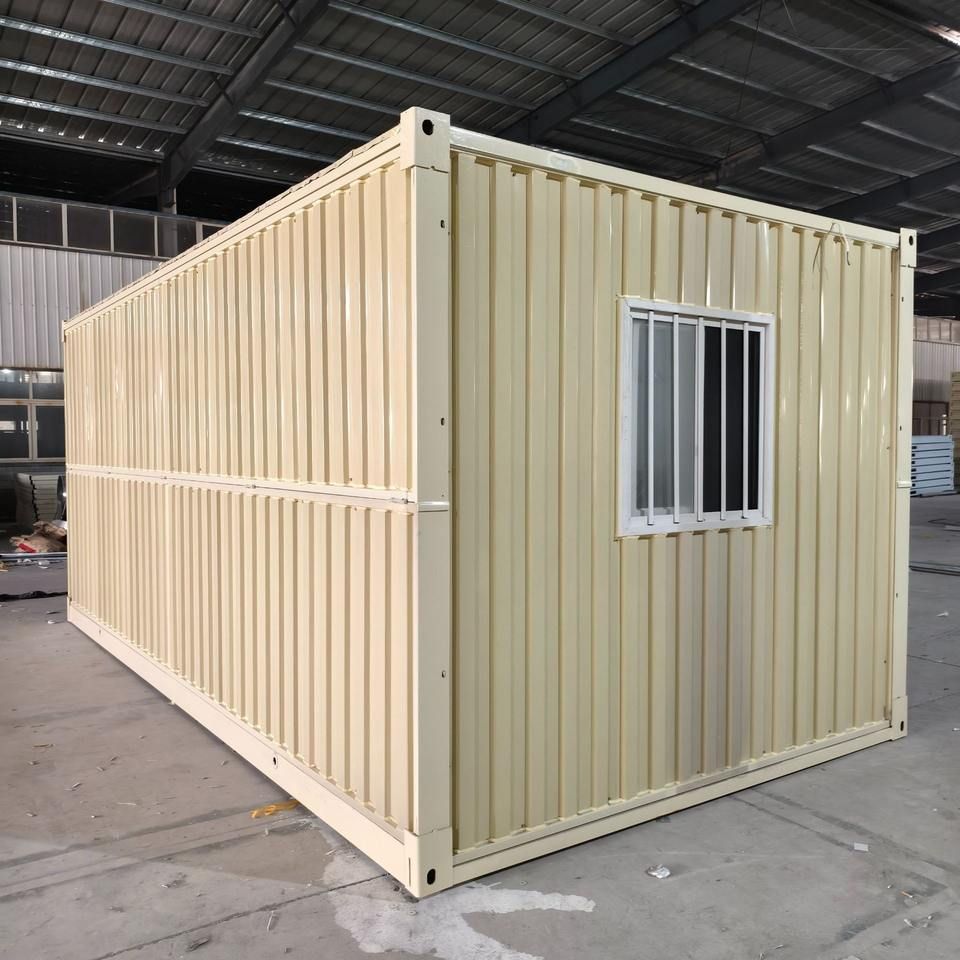
The main body of this type of toilet is usually assembled from color-steel composite panels or color-steel plates, with dimensions typically around 1.1 meters in width and length, and a height ranging from 2.3 meters to 2.35 meters, offering a compact and durable structure. The internal configuration emphasizes practicality and safety: the floor is made of non-slip embossed flooring or non-slip aluminum plates to reduce the risk of slipping; it is equipped with ventilation fans, light sockets, and electrical outlets to meet ventilation, lighting, and basic power needs; some models have reserved fecal tank outlets for easy later cleaning and maintenance.
Structural Types and Mobility Methods
There are two types based on structural form:
- Single-unit Structure: Designed as an independent unit, suitable for locations with limited space or scattered demands;
- Composite Structure: Composed of multiple units, allowing flexible capacity expansion to meet high foot traffic demands.
In terms of mobility, there are lifting/handling types and powered/trailer types: the former relies on mechanical equipment for whole-unit handling, suitable for short-term use; the latter is moved by vehicle traction or self-powered, suitable for scenarios requiring frequent relocation.
Sewage Treatment Method
It adopts dry packing technology, directly storing feces in an internal fecal tank without the need for a water flushing system or external septic tank. The fecal tank capacity is designed according to the model, meeting usage needs from several days to several weeks. Cleaning is done through the outlet or by replacing the entire fecal tank, with no sewage discharge throughout the process, avoiding secondary pollution.
Usage Scenarios
It covers both fixed and temporary demand locations:
- Fixed Locations: Such as stations, docks, tourist attractions, villa areas, and newly built residential communities, solving the problems of long construction periods and high costs associated with traditional toilets;
- Temporary Locations: Large construction sites, squares, exhibitions, emergency rescue sites, etc., enabling rapid deployment without the need for supporting infrastructure, adapting to short-term high-intensity usage demands.
Core Advantages
- Mobility: Modular design supports whole-unit handling or disassembly for transportation, adapting to site changes;
- Convenience: After placement, it does not require connection to water pipes, septic tanks, or power sources, enabling immediate use and significantly shortening the construction period;
- Environmental Protection: Dry treatment reduces water consumption, and the sealed design of the fecal tank prevents odor diffusion, aligning with green building concepts.
This type of toilet balances functionality and flexibility through technological innovation, becoming an efficient solution for public sanitation.



