
Wind Resistance of Mobile Toilets
The wind resistance rating of mobile toilets can reach up to Level 12 (wind speed 32.7–36.9 m/s), depending on the design, materials, and usage scenarios. Their wind resistance is influenced by factors such as structural type, anchoring method, and height, with different product types having varying wind resistance requirements. Below is a detailed analysis:
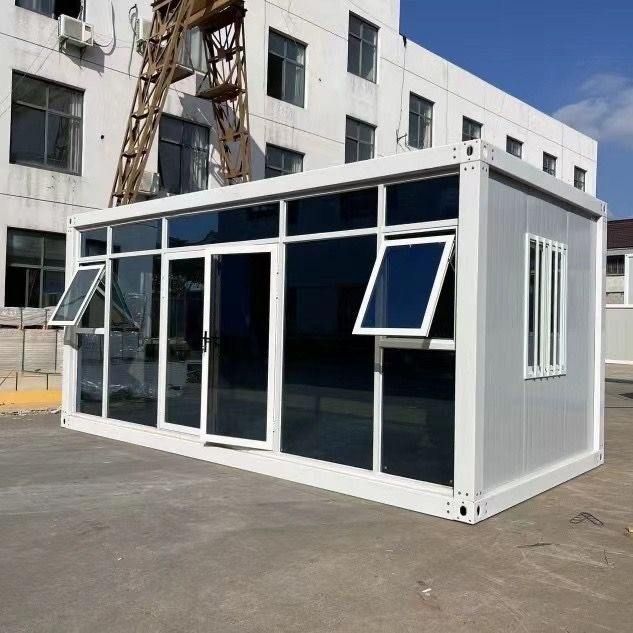
I. Wind Resistance Ratings by Product Type
- Standard Type: With a wind resistance rating of Level 8–10 (wind speed 17.2–28.4 m/s), it uses a light steel or ordinary steel frame and is suitable for construction sites, municipal areas, and general scenic spots. For example, a standard fiberglass-reinforced plastic mobile toilet weighs about 180 kilograms and can withstand wind up to Level 8.
- Premium/Scenic/Large Type: With a wind resistance rating of Level 12 (wind speed 32.7–36.9 m/s), it employs a full steel structure with reinforced design, such as additional diagonal braces and crossbeams, making it suitable for coastal areas, open high-wind regions, or areas frequently affected by typhoons.
- Simple/Lightweight Type: With a wind resistance rating of Level 6–8 (wind speed 13.9–20.7 m/s), it features a simple panel structure, is lightweight, and is only suitable for low-wind-speed, temporary scenarios, such as short-term events or construction sites in low-wind areas.
- Construction Site/Economy Type: With a wind resistance rating of Level 10 (wind speed 24.5–28.4 m/s), it meets municipal and construction site safety requirements by optimizing material thickness and connection joints, balancing cost and durability.
II. Key Factors Affecting Wind Resistance
- Structural Type: Full steel frame structures offer the best wind resistance, followed by light steel, with simple panel structures being the weakest. For example, full steel frame products can significantly enhance lateral force resistance by increasing the section moment of inertia.
- Anchoring Method: Counterweights (such as concrete bases), ground anchors (buried underground for fixation), and windbreak cables (diagonal traction) can improve wind resistance by 1–2 levels. For example, mobile toilets with a height of ≥2.2 meters are recommended to be equipped with windbreak cables to reduce the risk of overturning.
- Height and Center of Gravity: The higher the structure, the larger the wind-exposed area, necessitating a lower center of gravity (such as widening the base) or additional support structures to enhance stability. For example, double-story mobile toilets require steel structure reinforcement and ground anchors to achieve a Level 10 wind resistance standard.
III. Special Design and Material Applications
Premium models enhance overall rigidity and durability by using high-strength steel (such as Q345B), hot-dip galvanizing for corrosion resistance, and modular design. For example, a mobile toilet in a scenic spot uses a steel structure with fiberglass-reinforced plastic composite panels, achieving a Level 12 wind resistance rating while being corrosion-resistant and easy to clean. Additionally, some products optimize their shape through wind tunnel testing to reduce the drag coefficient, further enhancing wind resistance.



