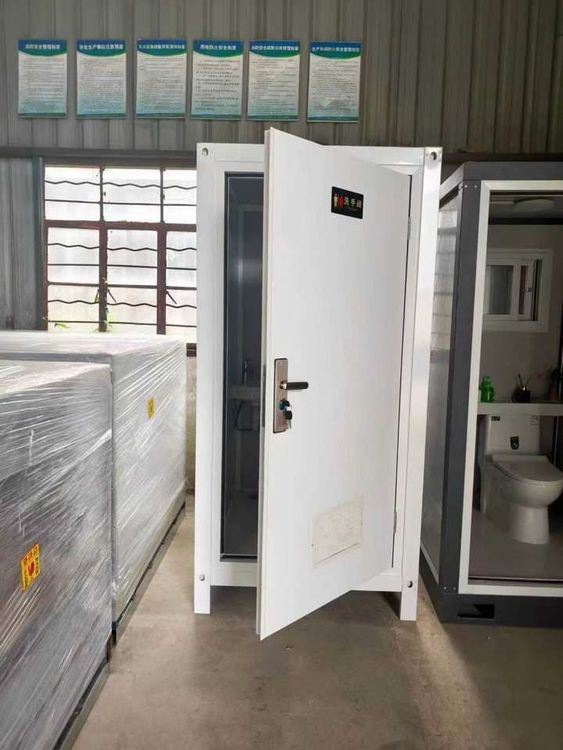
Mobile Toilet Wind and Rain Resistance
Mobile toilets offer a variety of reliable designs and options for wind and rain resistance.
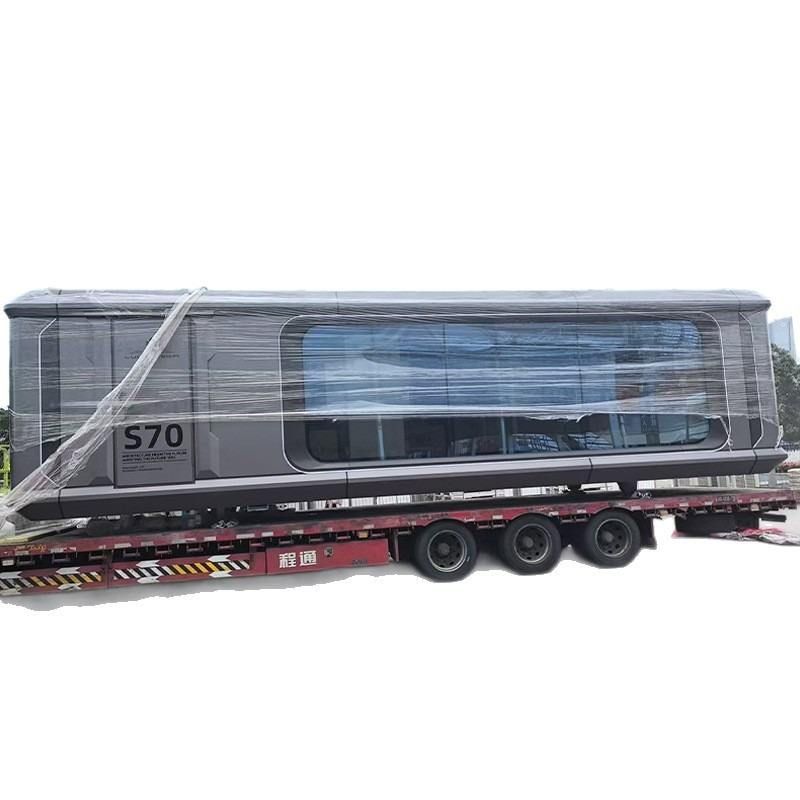
Firstly, outdoor mobile restrooms typically feature a sturdy and durable structural design. Their frames are often made of high-strength metals or engineering plastics, capable of withstanding a certain degree of wind force. For example, some products optimize their structural layout to reduce wind resistance coefficients while enhancing the stability of the bottom mounting devices, ensuring they are less likely to topple over in strong winds. Additionally, their outer shell materials are mostly composite panels or engineering plastics with excellent waterproof performance, combined with sealed rubber strip designs to effectively block rainwater infiltration and keep the interior dry.
Secondly, Shangkaojia mobile toilet tents have been specifically optimized for wind and rain resistance. Their main bodies are made of 190T silver-coated fabric, which not only provides sunshade and UV protection but also enhances waterproofing through coating treatments, forming a hydrophobic layer on the surface that allows rainwater to slide off quickly. In terms of wind resistance, the tents improve stability through thicker supports and multi-point fixing designs, enabling them to withstand gusts or mild to moderate severe weather. Compared to ordinary thin fabric tents, their structural strength and material thickness are significantly increased, reducing the risk of deformation or damage caused by wind forces and providing users with a more reassuring experience.
Finally, Shaanxi Baoji mobile toilets have their wind resistance verified through professional testing. These products can be entrusted to third-party institutions for structural safety assessments, covering aspects such as building structural load analysis and steel structure damage condition detection. Based on national standards such as the "Steel Structure Design Standard" (GB 50017 - 2017) and the "Building Structure Load Code" (GB 50009 - 2012), their wind resistance capabilities are comprehensively evaluated. For example, by simulating structural stress distributions under different wind speeds, the integrity of the toilet main body under extreme weather conditions is ensured. This testing mechanism provides a scientific basis for the wind resistance performance of mobile toilets and is suitable for scenarios with high safety requirements.
In summary, mobile toilets have improved their wind and rain resistance capabilities through material optimization, structural reinforcement, and third-party testing, allowing users to choose appropriate types based on usage scenarios and needs.