
What is the Appropriate Width for Mobile Toilets
The width of mobile toilets should be selected based on their type and applicable scenarios. Here are the common types and recommended widths:
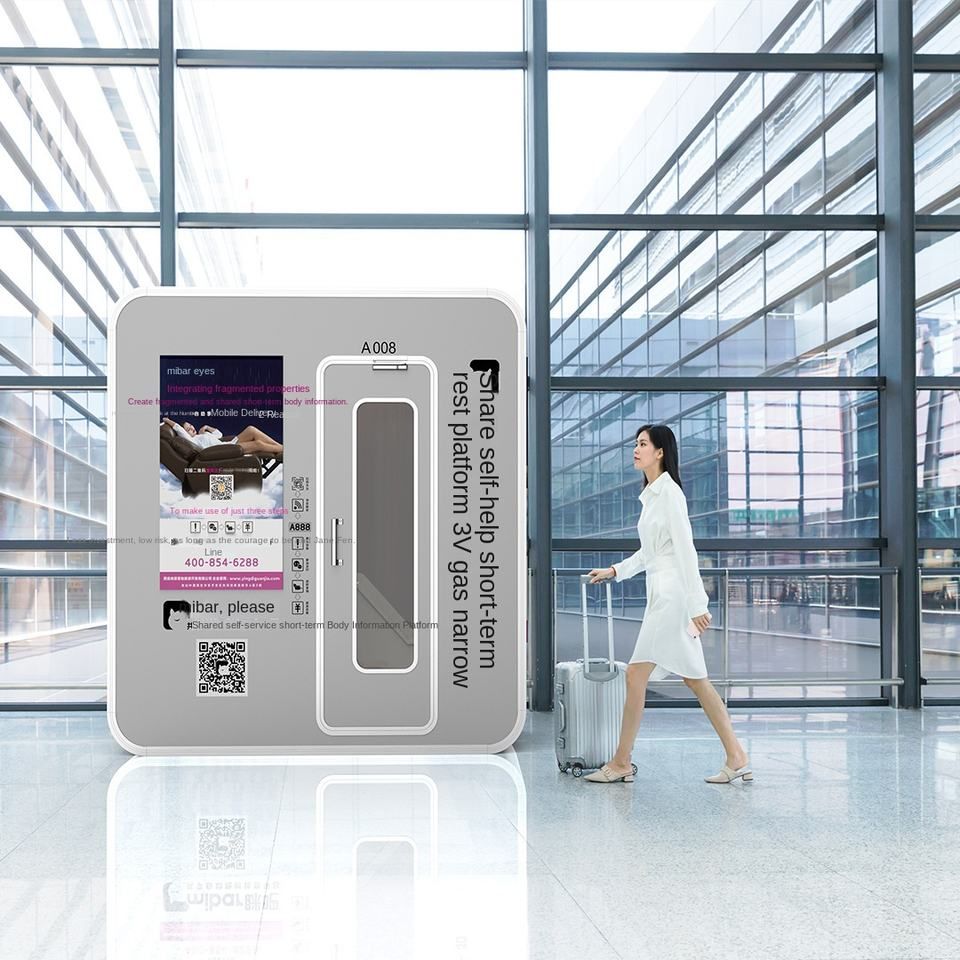
1. Single-Person Mobile Toilets The width is typically between 1 meter and 1.2 meters, with the standard size usually being 110 centimeters. The mini single-person version can be compressed to 100 centimeters in width. These toilets are suitable for environments with limited space, such as temporary events, construction sites, or crowded tourist areas. Their design focuses on compactness, ensuring that users can complete their toilet activities normally while also accommodating the reasonable layout of internal facilities (such as toilets and handrails). If further space savings are required, the mini version can be chosen, but it is necessary to confirm whether the user's body type is suitable.
2. Double-Person Mobile Toilets The width ranges from 1.2 meters to 1.5 meters, with a common size of 110 centimeters. These toilets are suitable for family or small group usage scenarios, such as outdoor weddings and music festivals. Their width needs to accommodate the basic activity space for two people using them simultaneously, avoiding inconvenience due to cramped space. Some designs may reduce width requirements by optimizing the internal layout (such as staggering the installation of toilets), but it is necessary to ensure compliance with ergonomic standards.
3. Multi-Functional Mobile Restrooms The width is usually between 2.0 meters and 2.5 meters, falling into the category of large mobile toilets. These restrooms integrate more functions, such as sinks, storage cabinets, baby changing stations, and may even include independent shower rooms. Their width needs to meet the layout requirements of multiple devices and user activities, commonly found in high-end events, disaster relief, or long-term construction projects. When designing, special attention should be paid to the width of aisles to ensure sufficient space for device operation.
4. Accessible Mobile Toilets The width is generally 150 centimeters, with space reserved for wheelchair rotation. These toilets are specifically designed for people with disabilities, and their interiors need to meet accessibility standards, such as a door width of no less than 90 centimeters and an internal corner radius of no less than 75 centimeters. Their width is crucial for ensuring the safe entry and exit of wheelchair users and is commonly found in public places, transportation hubs, or clusters of mobile toilets used for long periods.
Selection Recommendations:
- Prioritize determining the type based on the usage scenario and population needs, and then select the specific width in combination with space constraints.
- If both versatility and accessibility needs are to be considered, refer to accessibility standards for design to ensure broader applicability.
- In actual use, reserve a certain margin to avoid insufficient space due to uneven ground or equipment installation errors.



