
Welding Process of Mobile Toilets
The welding process of mobile toilets mainly includes key steps such as frame structure welding, plate cutting and welding forming, box frame welding, and rust prevention treatment.
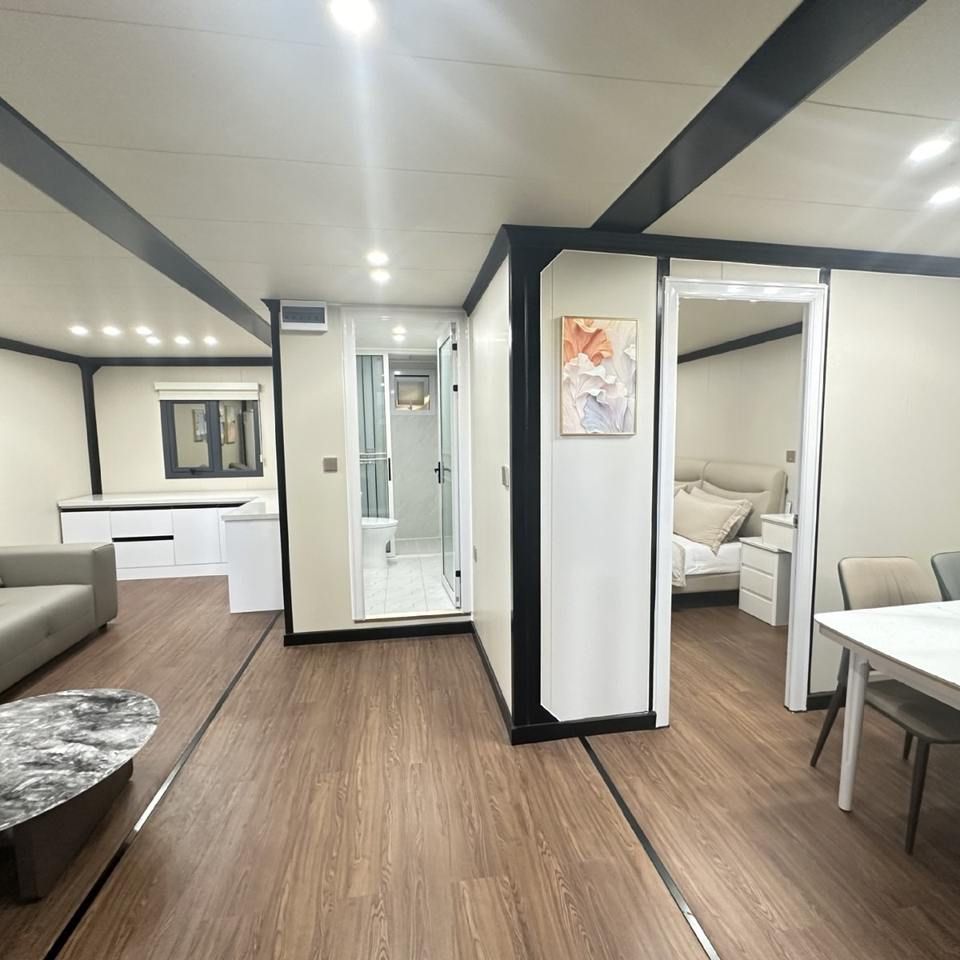
Firstly, the welding of the frame structure of mobile toilets is a fundamental process. It is generally composed of a frame-type structure welded from steel. The bottom is welded using channel steel or I-beams, which have high strength and stability, enabling them to bear the overall weight of the mobile toilet and various external forces during use. The columns are made of square steel. The regular shape of square steel facilitates connection and welding with other components, ensuring the verticality and stability of the frame structure.
Secondly, for stainless steel mobile toilets, plate cutting is required first. Cut the stainless steel plates into four identical rectangular pieces for the walls, one piece with a small rectangle cut out for the door panel, one piece with a small rectangle cut out at the top for window installation, and additionally cut one piece for the floor and one for the ceiling. After cutting, use a welding machine to weld the cut plates into the overall external structure of the toilet. During the welding process, ensure the uniformity and tightness of the welds to prevent issues such as water leakage. At the same time, pay attention to controlling the welding temperature to avoid deformation of the stainless steel plates due to excessive heat.
Furthermore, in the manufacturing of mobile toilets for construction sites, the box frame is usually welded from metal profiles. This process requires stable welding techniques and uniform welds to ensure that the overall frame does not deform during lifting and transportation. The welding of the steel structure frame is the core process in the production of mobile toilets, generally welded from square or round tubes. Square and round tubes have good mechanical properties, meeting the usage requirements of mobile toilets in different environments.
Finally, after welding is completed, the surface of the steel structure frame needs to undergo rust prevention treatment. Since mobile toilets may be used outdoors and are exposed to wind and rain for long periods, they are prone to rust and corrosion, which can affect their service life. Rust prevention treatment can effectively extend the service life of mobile toilets, enabling them to withstand frequent handling and harsh weather conditions.



