
The Entire Welding Process of Mobile Toilets
The entire welding process of mobile toilets mainly includes five key steps: design and material selection, frame welding, panel installation, equipment assembly and welding details, and detail processing and inspection.
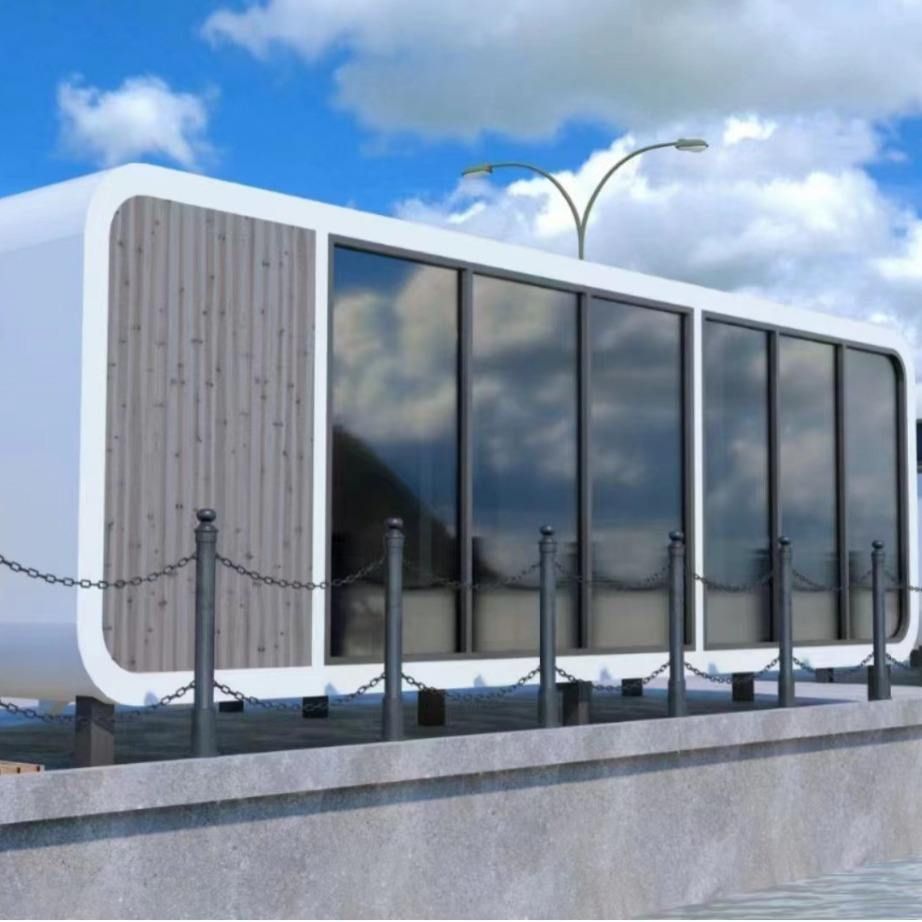
Design and Material Selection: Determine the specifications and functional requirements of the mobile toilet according to the design drawings, and select lightweight yet structurally sturdy materials. Steel is a common choice due to its strong load-bearing capacity and high durability, while some high-end models use stainless steel to enhance rust resistance. The materials must meet environmental adaptability requirements such as waterproofing and corrosion resistance to ensure long-term stability in use.
Frame Welding: Workers cut the steel into specified sizes according to the design drawings and weld them into an overall frame using tools such as electric welders. The frame is the structural foundation of the mobile toilet and must ensure precise geometric dimensions and uniform, firm welds. For stainless steel mobile toilets, processes such as argon arc welding are required to weld the external structure, avoiding material deformation caused by high temperatures and ensuring aesthetically pleasing welds without pores.
Panel Installation: After the frame is completed, panel covering is carried out. The exterior typically uses color-coated steel sheets or composite materials, which have rust-resistant, waterproof, and heat-insulating properties; the interior is paved with anti-slip floors to enhance safety. For stainless steel mobile toilets, the cut stainless steel sheets are welded into walls, floors, and ceilings to form a seamless, sealed structure that prevents leakage and facilitates cleaning.
Equipment Assembly and Welding Details: Install core components such as toilets, water tanks, and ventilation fans, and connect the water supply and drainage pipes. At this stage, the spacing between water pipes must be precisely measured, cut, and then welded and fixed to ensure firm connections between pipe fittings without leakage. For stainless steel mobile toilets, water pipes need to be led to the toilet and faucets installed. During welding, current parameters must be controlled to avoid burning through the material or producing welding beads.
Detail Processing and Inspection: Install accessories such as door locks, handrails, and lighting to enhance usability. Conduct a sealing test by pressurizing or injecting water to check for leaks in welds and joints, ensuring there are no gaps after assembly. Finally, conduct a comprehensive inspection of all functions, such as the flushing system, ventilation effect, and electrical safety, to ensure the mobile toilet meets design standards and usage requirements.



