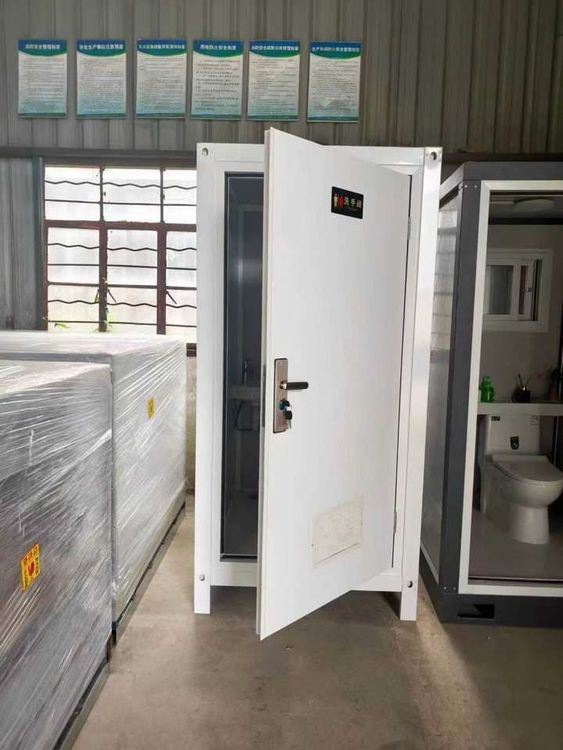
Waterproof Caulking for Mobile Toilets
Waterproof caulking for mobile toilets should be carried out at multiple key positions to ensure effective waterproof sealing. The specific operations and precautions are as follows:

I. Key Caulking Positions and Adhesive Selection
Bottom of the Toilet Bowl
Use neutral anti-mold silicone sealant to prevent sewage from seeping into the area beneath the tiles, which could cause dampness and mold on the floor. Neutral sealants are stable in nature and less likely to corrode surrounding materials (such as ceramics and metals). Recommended brands include Dow Corning and Wacker.Bottom of Door Frames and Archway Frames
Seal with silicone sealant or epoxy resin adhesive to prevent moisture from seeping in during floor mopping, which could cause the frame lines to become damp and crack. These adhesives have strong weather resistance and are suitable for environments with long-term exposure to moisture.Gaps around Windows in Kitchens and Bathrooms
Use flexible silicone sealant to fill the gaps between the windows and tiles. This can cushion vibrations and prevent sealing failure due to resonance.Countertops in Kitchens and Bathrooms
Recommend polyurethane edge-sealing adhesive, PVC edge-sealing adhesive, or acrylic edge-sealing adhesive to prevent the countertops from becoming damp and deforming. These adhesives have strong water resistance and high compatibility with countertop materials.Outlets of Showers and Faucets
Apply neutral silicone waterproof sealant around the outlets to prevent water from seeping into the tiles and causing dampness, mold, and efflorescence on the exterior walls. Do not use acidic silicone sealant, as it can corrode metal faucets.Connections of Hot and Cold Water Taps
Before installation, wrap 5 turns of Teflon tape clockwise around the threaded ends of the water pipes. Apply neutral silicone waterproof sealant at the tile drill holes to prevent moisture from seeping into the walls and causing the exterior wall surfaces to peel and become moldy.Public Exhaust Duct Openings
When tiling, use professional tools to cut the tiles around the ducts into a circular shape. After applying waterproof sealant to the gaps, install a backflow preventer with a silicone seal ring to prevent odors from the upper floors from entering.
II. Caulking Precautions
Selection of Sealants
Prioritize the use of neutral anti-mold silicone sealants that comply with the standard "Silicone Structural Sealants for Building" (GB 16776) to ensure safety, environmental friendliness, and strong durability.Curing Time
The sealant takes 24-48 hours to fully cure. During this period, do not flush with water or subject it to water pressure, as this could affect the sealing effect.Construction Techniques
- The base surface must be thoroughly cleaned and dried. If the cracks are large, fill them with waterproof putty first and wait for it to dry completely before applying the sealant.
- When applying the sealant, extrude the silicone sealant into the gaps at a 45-degree angle and then smooth it out with a scraper to ensure a uniform sealant layer without bubbles.