
Back to blog
Article
How to Save Water in Mobile Toilets
Admin October 10, 2026
The methods for saving water in mobile toilets mainly include adopting advanced water-saving designs, applying water-saving tips, equipping with precise flushing systems, conducting sewage treatment and recycling, using water-saving tank designs, utilizing intelligent sensing and automatic control, and performing regular maintenance and upkeep.
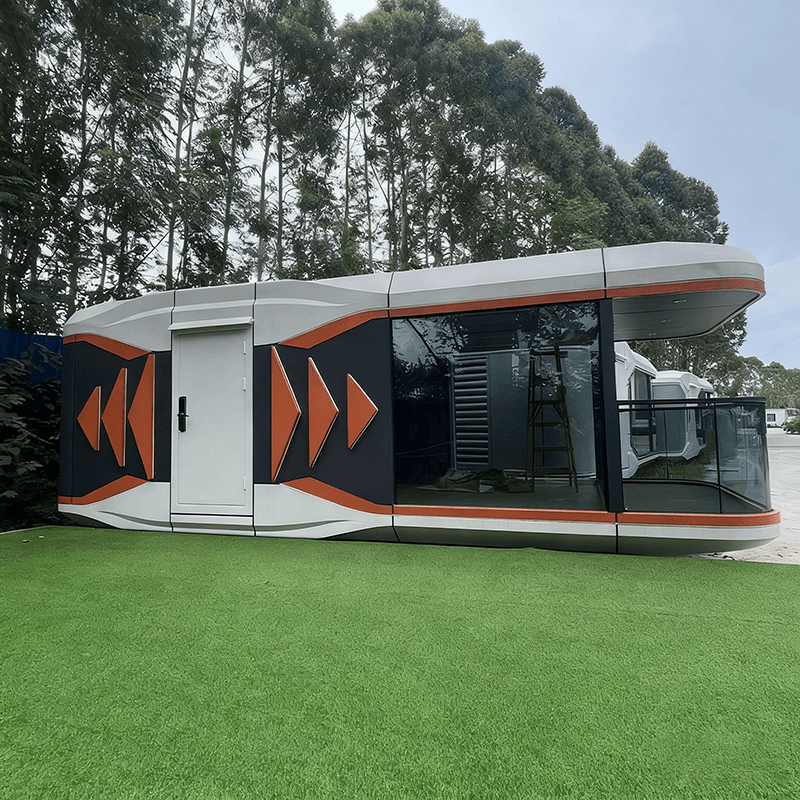
- Adopting advanced water-saving designs: Some mobile toilets, such as the Inner Mongolia Jiahe mobile toilet model, optimize the tank structure and scientifically design the water flow, saving 30% - 50% of water per flush and ensuring optimal cleaning with minimal water usage.
- Applying water-saving tips:
- Tank insert method: Place a plastic bottle filled with about 1 liter of water inside the toilet tank. For older toilets, 1 - 2 mineral water bottles filled with water or water-saving bricks can be used. This reduces the water volume per flush, leading to significant water savings over time.
- Pressure-boosting flush method: Place appropriate weights, such as small bricks, on both sides of the tank to increase water pressure and improve flushing efficiency, reducing the water volume per flush by nearly half.
- Dual-flush mode selection: Mobile toilets equipped with a dual-flush mode allow users to choose between a small or large water volume for flushing based on actual needs. Some toilet lids have two buttons; pressing the separate buttons uses half a tank of water, while pressing the non-separate button uses a full tank.
- Equipping with precise flushing systems: Advanced flushing systems in mobile eco-friendly toilets can precisely control the water volume according to actual usage needs, allocating a smaller volume for the urinal area and an appropriate volume for the toilet area to avoid waste.
- Conducting sewage treatment and recycling: The toilets are equipped with efficient sewage treatment devices inside that separate reusable water resources through physical, chemical, or biological methods. The treated water can be used for some flushing processes in the toilet, reducing reliance on fresh water resources.
- Using water-saving tank designs: The water tanks of mobile eco-friendly toilets are large-capacity and feature water-saving designs. Special water level control devices ensure optimal flushing effects and prevent water wastage due to leaks.
- Utilizing intelligent sensing and automatic control: Some mobile eco-friendly toilets are equipped with intelligent sensing systems that automatically adjust the water volume or turn the water source on/off based on user behavior, preventing forgetting to flush or excessive flushing.
- Performing regular maintenance and upkeep: Regularly inspect and maintain toilet facilities, promptly repair leaking components, check the water facilities in the restroom daily for toilet tank leaks, and report and repair any faults immediately.



