
Mobile Toilet Water and Electricity Usage
Whether a mobile toilet requires water and electricity connections depends on its type and configuration.
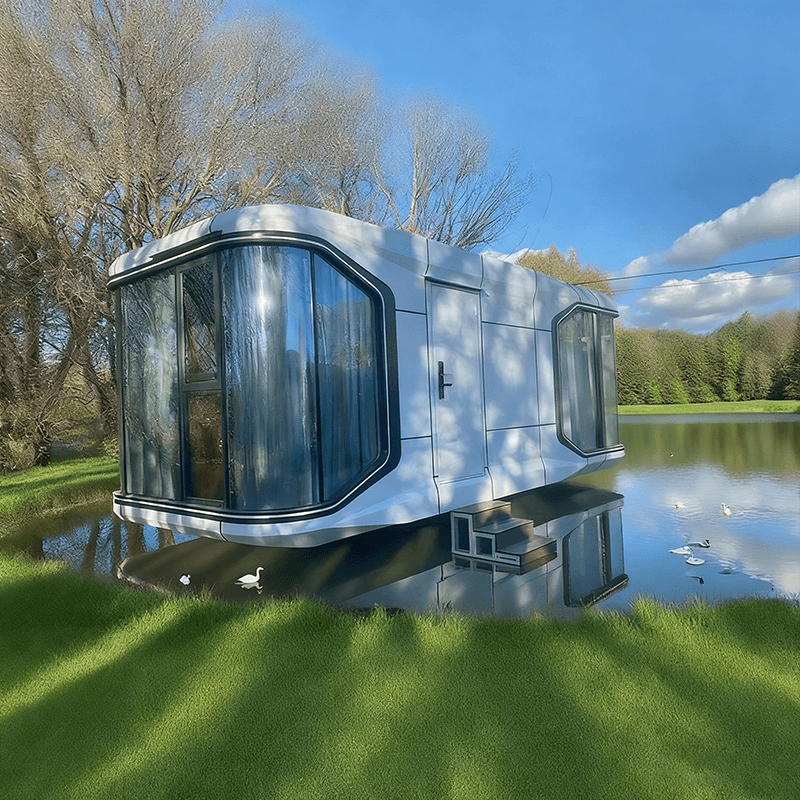
I. Mobile Toilets Without External Water and Electricity Connections
Some eco-friendly mobile toilets that utilize microbial degradation technology do not require external water and electricity connections. These toilets decompose waste through an internal microbial treatment system, converting organic matter into harmless substances such as carbon dioxide and water through microbial metabolic activities. Their core advantage lies in their independence from external water and power sources, making them suitable for use in locations where water and electricity access is inconvenient, such as wilderness campsites, remote mountainous areas, or temporary event venues. These toilets are typically compact in design, focusing on basic waste disposal functions, and may not be equipped with flushing, lighting, or ventilation systems.
II. Mobile Toilets Requiring External Water and Electricity Connections
- Flushable Mobile Toilets: These are the most common type and must be connected to an external water supply for flushing. The flushing system uses water flow to carry waste into a storage tank or sewage pipeline, ensuring toilet cleanliness. Additionally, they are usually equipped with lighting fixtures and exhaust fans inside, requiring an external electrical connection. For example, some products can be used immediately after connecting to water and electricity upon installation, featuring sinks, exhaust fans, and lighting fixtures, with functions similar to traditional fixed toilets.
- Multi-functional Single Mobile Restrooms: These single restrooms, with dimensions such as 1.5×1.5 meters, can be used once connected to water and electricity. Inside, they can be configured with squat or sit toilets, or even shower rooms, based on demand. These toilets have a high dependency on water and electricity, requiring a stable water source and power supply to maintain flushing, lighting, and ventilation functions.
III. Mobile Toilets Partially Dependent on External Water and Electricity
Some mobile toilets are equipped with solar power systems and water storage tanks. They collect energy through solar panels to power lighting, ventilation, and other equipment, while the water storage tanks store rainwater or manually filled water for flushing. This design reduces reliance on external water and electricity, but still requires external connections as a supplement during continuous rainy weather or when water storage is insufficient. For example, some eco-friendly mobile toilets can operate autonomously on sunny days but require external resources for long-term use or in high-demand scenarios.
Summary: The water and electricity requirements of mobile toilets are determined by their technological types. Microbial degradation types do not require external connections and are suitable for scenarios without infrastructure; flushable and multi-functional types must be connected to water and electricity to meet cleaning and equipment operation needs; solar + water storage tank types can partially self-sustain but require backup external connection plans. Selection should be based on a comprehensive assessment of the usage scenario, infrastructure conditions, and functional requirements.



