
Mobile Toilet Water and Electricity Equipment
Whether a mobile toilet requires water and electricity equipment depends on its type and usage needs, mainly falling into three categories: those requiring water and electricity, those not requiring water and electricity, and those partially relying on solar energy.
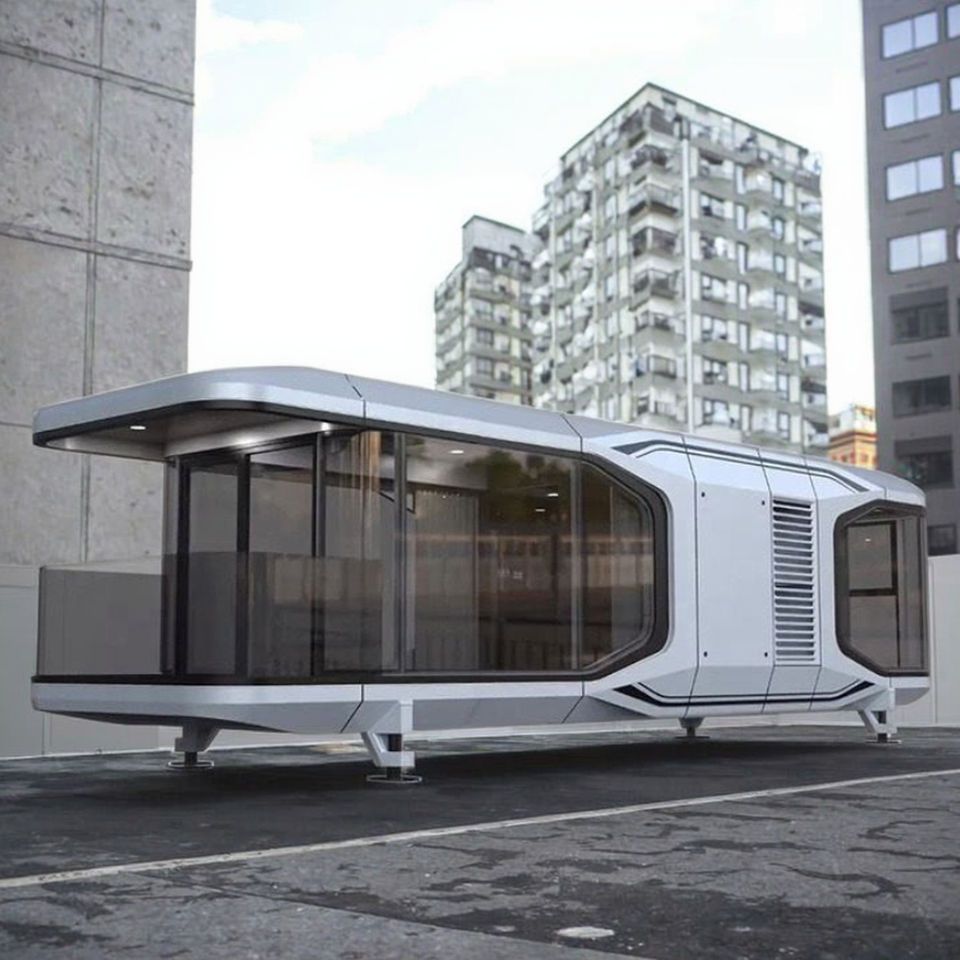
Mobile toilets requiring water and electricity: Water-flush mobile public toilets are a typical example, highly dependent on water and electricity supplies for operation. Water sources are primarily used for toilet flushing and handwashing station water supply, ensuring convenience for toilet use and handwashing. Electricity is used for the operation of lighting, exhaust fans, water heaters (in some configurations), and other equipment. These public toilets offer a high level of cleanliness and a user experience close to that of fixed public toilets, suitable for scenarios with stable water and electricity supplies, such as parks, scenic spots, and long-term construction sites. Additionally, some simple mobile toilets, if they need to ensure normal flushing functions and normal operation during nighttime or ventilation needs, also require external water pipes to provide flushing water and external electrical wires to supply power for lighting and ventilation equipment. Mobile toilets with external water and electricity pipelines are suitable for construction sites, large event venues, and other places with dense populations and high water and electricity demands.
Mobile toilets not requiring water and electricity: Waterless-flush mobile public toilets do not require connection to water and electricity supplies, using biodegradation technology or sealed collection methods to handle waste. The toilets do not require flushing water and rely on their own structure to collect and degrade waste, without the need for a power supply. These public toilets are suitable for scenarios without water and electricity conditions, such as wilderness campsites, emergency rescue sites, and temporary resettlement points in remote villages. Ecological mobile toilets using microbial degradation technology process excreta through built-in microbial treatment systems, without the need for external water pipes for drainage or external electrical wires for power supply. They are relatively independent and convenient to use, suitable for places where water and electricity access is inconvenient, such as remote areas of parks and scenic spots.
Mobile toilets partially relying on solar energy: Solar-powered mobile public toilets do not require connection to the power grid, relying on solar panels to generate electricity to meet lighting and exhaust needs. These public toilets can be equipped with either water-flush or waterless-flush functions, flexibly adapting to various outdoor scenarios. However, in some cases, they may still require external water and electricity pipelines as a supplement to cope with special weather conditions or peak water and electricity usage periods.



