How to Connect Water and Electricity for Mobile Toilets
The connection of water and electricity for mobile toilets requires separate handling of water and electrical circuits, with specific operations as follows:

Water Circuit Connection
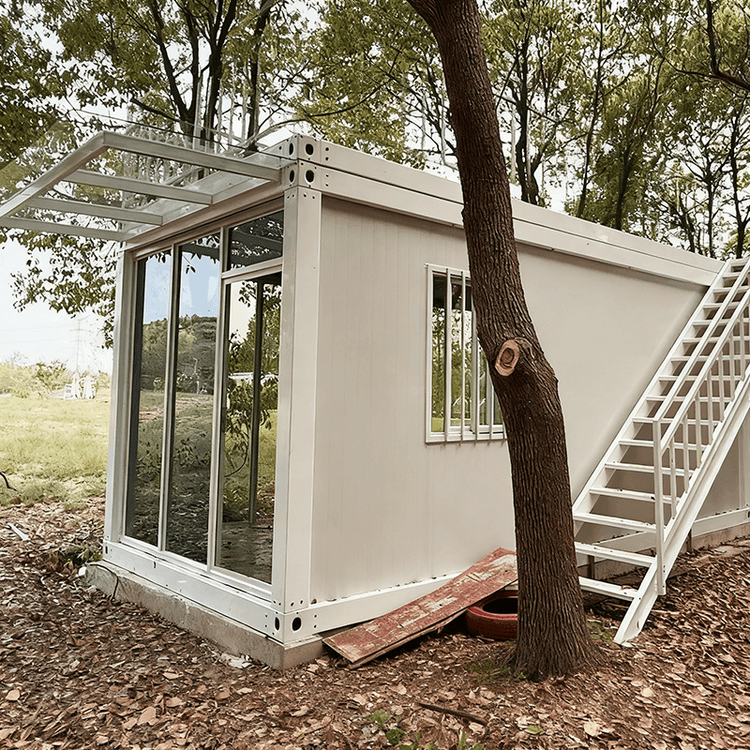
Some well-equipped mobile toilets can be put into use simply by connecting the water pipe after being placed. However, it should be noted that the specific connection method needs to be determined according to the toilet model and on-site conditions. For example, if the toilet comes with its own water storage tank, the external water source needs to be connected to the water inlet of the tank through a hose or a rigid pipe, and the connection should be well sealed to prevent water leakage. If the toilet relies on the municipal water supply system, the water inlet pipe needs to be connected to the municipal water supply network, and accessories such as water valves and filters usually need to be installed to control the water flow and filter impurities. Before actual operation, it is recommended to contact the equipment supplier or professional installation personnel to confirm the interface specifications and installation requirements to avoid equipment damage or water waste due to improper operation.
Electrical Circuit Connection
Taking a modular mobile public toilet as an example, the electrical circuit connection should follow the following steps:
- Preliminary Preparation: Organize electrical engineers and supervision units to check the design drawings, confirm the location of the power access point (usually the municipal distribution box 15 meters away from the public toilet), the cable laying path, and the equipment power parameters (the total calculated load is 12kW, using 380V three-phase five-wire power supply, with a load level of three).
- Material Preparation: Prepare materials such as cross-linked polyethylene insulated cables, distribution boxes, and PVC wire conduits according to the design requirements, ensuring that the cable specifications meet the load requirements (e.g., the cross-sectional area should match the current capacity).
- Site Preparation: Level the site from the power access point to the public toilet, remove obstacles, and excavate a cable trench (0.4 meters wide × 0.7 meters deep). Lay a 100-millimeter thick fine sand bedding at the bottom of the trench to protect the cable.
- Cable Laying: Lay the cable along the edge of the sidewalk. When crossing the roadway, protect it with a Φ100-millimeter galvanized steel pipe (2 meters long), and make a bell-mouth treatment at both ends of the pipe. Lay the cable using the manual traction method, reserve a 1.5-meter margin at the intermediate joints, and ensure that the bending radius is not less than 12 times the cable diameter. After laying, cover it with a 200-millimeter thick plain soil layer and compact it in layers.
- Box Installation: Fix the distribution box to the outer wall of the public toilet (1.5 meters above the ground) with M10 expansion bolts. Connect the box body to the grounding main line reliably with a 6-square-millimeter copper core wire to ensure electrical safety.
The electrical circuit connection involves high-voltage operations and must be completed by professional electricians, strictly following electrical safety regulations to avoid the risk of electric shock or fire.