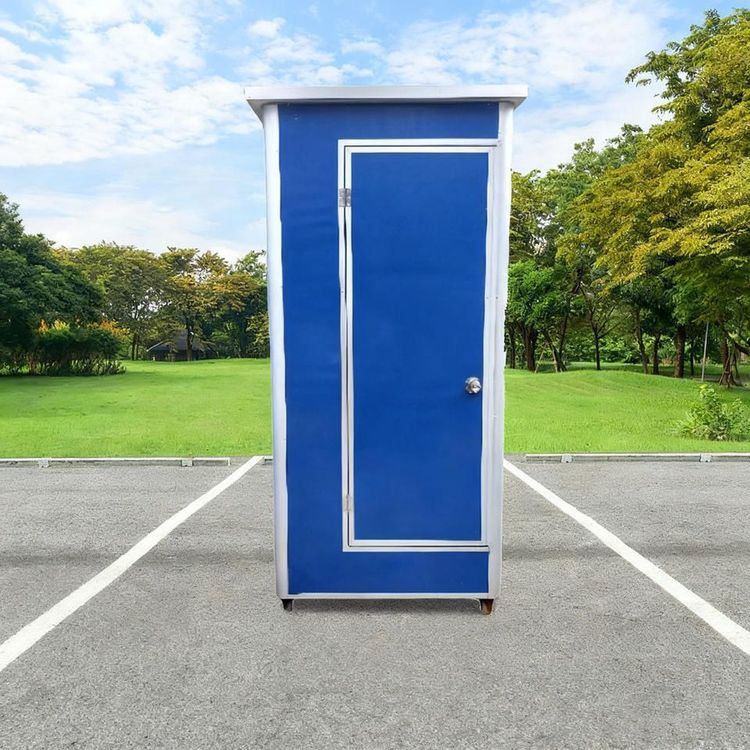
Mobile Toilet Waste Treatment
There are various methods for treating mobile toilet waste, including chemical treatment, biological treatment, separation treatment, packing treatment, circulating water flushing treatment, foam sealing treatment, agricultural utilization, and landfill treatment. The appropriate method should be selected based on the actual scenario.

Chemical treatment involves adding chemicals such as chlorine gas and sodium hydroxide to separate organic matter from water in the waste, reducing odors and harmful gas emissions. This method is suitable for scenarios with high odor control requirements, but precise control of chemical dosage is necessary to avoid secondary pollution caused by excessive use, and the treated residue must be properly disposed of.
Biological treatment utilizes the decomposition ability of microorganisms through fluidized bed anaerobic digestion reactors and filtration systems to convert excreta into reclaimed water. This reclaimed water can be used for irrigation or flushing, achieving resource recycling. It is suitable for long-term use in places with water and electricity supply, such as scenic spots or large-scale event venues.
Separation treatment is achieved through urine and feces separation collection tanks. Diluted urine can be used as fertilizer or irrigation fluid, while feces can be treated by adding disinfectants, landfilling, or microbial decomposition. This method effectively reduces waste volume and lowers the difficulty of subsequent treatment, making it suitable for scenarios with high foot traffic and a need for classified utilization.
Packing treatment uses biodegradable plastic bags to collect excreta, which are automatically packed and sealed after use and regularly replaced and transported away by cleaning staff. This method does not require a water source and has no odor, making it suitable for water-scarce or temporary use scenarios, such as construction sites or outdoor music festivals.
Circulating water flushing treatment combines intermittent aerobic and anaerobic treatment systems with biofilm technology to recycle treated sewage for flushing. This method significantly reduces water consumption and suction frequency, making it suitable for places with water scarcity and continuous use, such as remote areas or long-term event venues.
Foam sealing treatment uses foam generated by a special foaming agent to cover the inside of the toilet bowl, blocking odors and saving water. The feces storage tank needs to be cleaned regularly, making it suitable for scenarios with high hygiene and water-saving requirements, such as high-end events or temporary exhibitions.
Agricultural utilization involves using properly treated excreta as organic fertilizer to increase soil fertility and promote crop growth. This method requires ensuring the waste is harmless to avoid pathogen transmission and is suitable for rural or ecological agriculture projects.
Landfill treatment is used when other methods are not feasible, but the limited availability of land resources must be considered, making it not a long-term solution. This method is suitable for remote areas or emergencies and requires strict compliance with environmental protection regulations to prevent soil and groundwater pollution.