
Mobile Toilet Waste Tank Full
When the waste tank of a mobile toilet is full, the following methods can be used for handling:
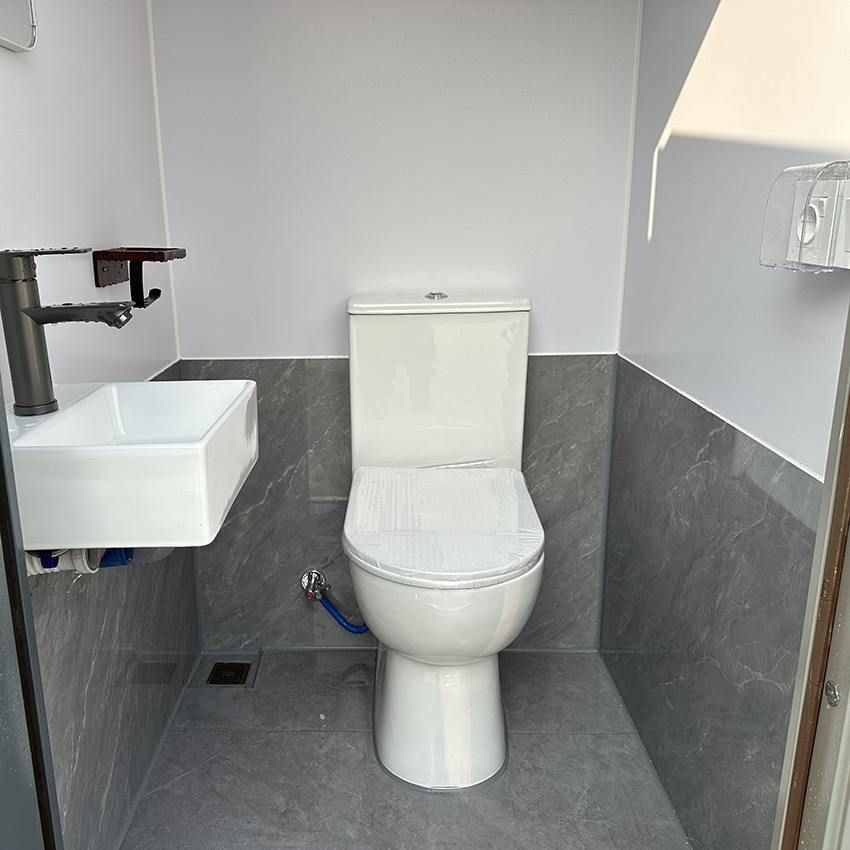
Replace or Empty the Waste Tank
Some mobile toilets are equipped with detachable waste tanks. When the tank is full, it can be handled by opening the locking mechanism, lifting the waste tank, and replacing it with a cleaned empty tank. This method is suitable for small mobile toilets, is easy to operate, and has relatively low costs, but requires preparing spare waste tanks in advance.Contact Professional Cleaning Services
Professional cleaning teams have the experience and equipment to complete the cleaning work efficiently and safely. For example, they use suction equipment to pump the feces and sewage into enclosed transport vehicles and transport them to designated disposal sites. This method is suitable for scenarios where there is no self-handling capacity, but a certain fee needs to be paid.Self-Cleaning (Proceed with Caution)
If conditions permit, tools such as submersible pumps, handcarts, sealed buckets, and water pipes can be prepared for cleaning. During operation, strict safety regulations must be followed: Wear protective gloves, masks, and goggles; cover the opening of the septic tank with waterproof cloth to prevent people from falling in; disinfect the tools and the site after cleaning. This method has low costs but poses health risks and is only recommended for experienced individuals.Resource Utilization
After harmless treatment, feces can be converted into organic fertilizer. For example, by composting and fermenting to kill pathogens, it can be directly applied to farmland. This method requires ensuring that the feces are fully decomposed to avoid polluting the soil or water sources, and it must comply with local environmental protection regulations.Conversion to a Biogas Digester (Long-term Solution)
If conditions allow, the septic tank can be converted into a biogas digester to generate biogas through anaerobic fermentation for cooking or lighting. This method requires professional design and has relatively high initial investment, but it can achieve energy recycling and is suitable for rural or remote areas.
Precautions:
- Wear protective equipment during the handling process to avoid direct contact with feces;
- The cleaned sewage must be discharged to designated treatment facilities, and random dumping is prohibited;
- Comply with laws and regulations such as the 'Law on the Prevention and Control of Environmental Pollution by Solid Wastes' to ensure that the handling process is legal and compliant.



